No products in the cart.

WhatsApp
×

Design Your Custom Tour

check in

13 Feb,27

check out

22 Feb,27

4 Seats Left

Location

Rampur

Duration

10D/9N

₹ 110,000₹ 125,000

₹110,000₹ 125,000

Overview

9 nights 10 days of Masterclass Wildlife Photography Expedition to Kibber, Himachal Pradesh — in search of the elusive Grey Ghost of the Himalayas, the Snow Leopard.

DCP Experts

Images Review

Meals

Post Event

Rent Lens

Stay

Transport

About The Tour

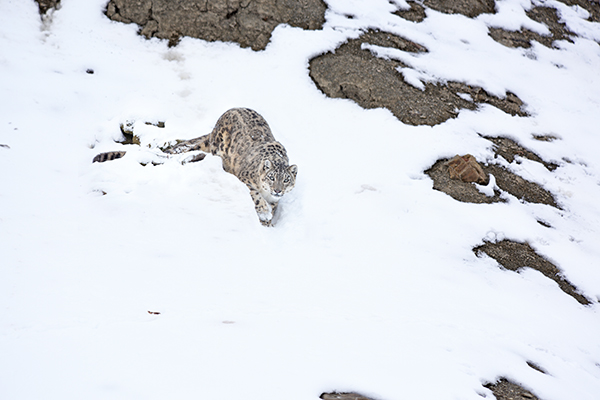
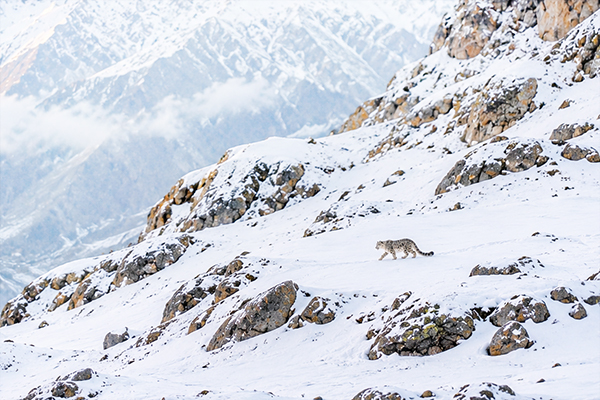
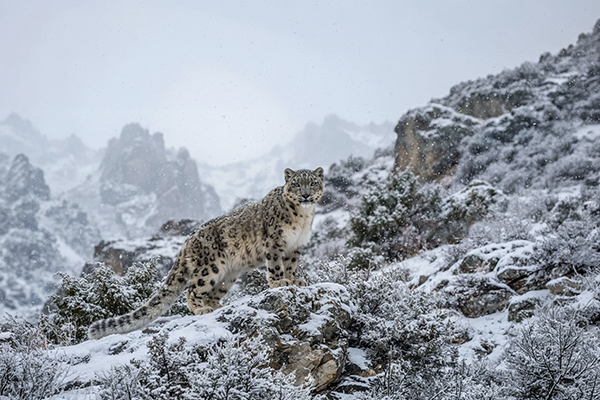
Join DCP Expeditions on a once-in-a-lifetime 9 nights 10 days Wildlife Photography Masterclass Expedition to Kibber, nestled in the high-altitude trans-Himalayan region of Spiti Valley, Himachal Pradesh. This expedition is designed for wildlife photographers and nature lovers determined to witness and photograph one of the most elusive big cats on the planet — the Snow Leopard, often referred to as the Grey Ghost of the Himalayas.

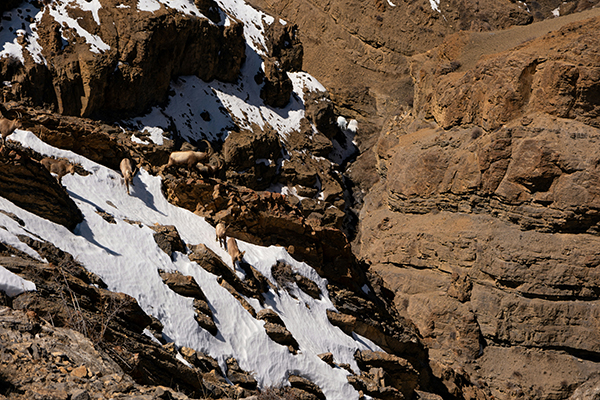
Situated at an altitude of over 14,000 feet, Kibber Wildlife Sanctuary provides a dramatic backdrop of rugged cliffs, snow-dusted ridges, and vast alpine meadows, which form the natural habitat of the Snow Leopard and its prey species like Blue Sheep (Bharal) and Himalayan Ibex. The thin air, the silence of the mountains, and the thrill of tracking this legendary predator create a truly transformative field photography experience.

This expedition includes guided snow leopard tracking with expert local spotters, daily acclimatization hikes, naturalist briefings, and extensive field mentoring sessions on telephoto techniques, framing in snowy terrains, handling extreme weather conditions, and ethically photographing rare wildlife. Heated homestay accommodations and hot meals in the cold desert further ensure comfort and safety.

This is more than just a photo tour — it’s a high-altitude adventure, a journey through snowbound silence, and a tribute to the patience and perseverance that wildlife photography demands.

Other Biodiversity

Winters in Spiti are the best time to spot rare Himalayan wildlife like – Snow Leopard, Siberian Ibex, Blue Sheep, Tibetan Wolf, Red fox, Lammergeyer, Golden Eagle, Tibetan Snowcock, etc. As the temperatures plummet these animals descend down from altitude above 5000m to around 4000m in search of food and is the best time to spot them.

Quick Information

Route:

Chandigarh - Rampur - Tabo - Kibber - Rampur - Chandigarh

Start Point:

Chandigarh

Duration:

9 Nights 10 Days

End Point:

Chandigarh

Inclusions

  • Masterclass Wildlife Photography Expedition to Kibber
  • Time tested photography opportunities of the Grey Ghost of the Himalayas.
  • Hotel accommodation (1 night) with heaters with all meals
  • Homestay accommodation (8 nights) with traditional / electric heaters with all meals
  • Guide / Spotters and Individual porters for each guests (to carry camera equipment)
  • Wildlife Permits, Camera Fees and Kibber Community Council fees
  • Mineral water.
  • Tea/coffee/snacks.
  • Breakfast/Lunch/Dinner.
  • Water and hot tea at the site & snacks.
  • Veg/Non veg preference.
  • Electric blanket in bed for each guest.
  • Electric heater or hot stove in each room.
  • Fresh clean linen and quilt. Fresh towels.
  • Hot water.
  • Toilet paper/ Wet wipes.
  • Walking pole.
  • Foldable stool in the field.
  • Collapsible tent to rest while in the field.
  • Oxygen in the home stay and on the field.
  • Insulated mat to rest on on the field.
  • BSNL connection to call home.
  • Taxi with escort to and fro pick up and drop off points.

Experts

How To Reach

Take a flight to Chandigarh and reach before 10 AM. Meet at the common point either at the airport or the train station. Leave for Rampur.

**We recommend Flexi flight option for greater flexibility in unforeseen cancellations.

Not applicable 

Not applicable 

Getting Ready

Things to carry:

  • Telephoto lenses – preferably above 500 mm.
  • Carry fully charged batteries for your camera / flash.
  • Carry backup memory cards / HDD storage drives, Laptop.
  • It is advisable to carry basic first aid along with you.
  • Carry extra pack of camera batteries.
  • Carry a pair of good binoculars.
  • Down jacket or winter jacket preferably waterproof/water resistant.
  • Ski pants or thick pants to withstand walking in snow or sitting in strong chilly winds.
  • Thermal inners, top and bottom
  • Middle layer normal fleece or regular jacket.
  • Arctic grade gloves 6. Normal winter gloves
  • Thermal Balaclava or thick fleece version
  • Thermal grade woolen cap or beanie
  • Normal cap
  • Thick artic grade socks
  • Normal woolen socks
  • Anti-skid snow boots
  • UV protection sunglasses
  • Sunscreen SPF 50 plus
  • Chap stick
  • Vaseline
  • Winter night suit
  • Snow Gaiters – over pants in case the shoes/bottom of pants opening get wet.

Important Information Regarding Accommodation, Logistics and High-Altitude Safety

Throughout the six-night stay in Kibber, participants will be accommodated in comfortable local homestays equipped with wood-fired room heaters, electric heaters, electric blankets and heavy quilts. Bath towels will also be provided. Generator backup will be available in case of electricity interruptions. As running water is generally unavailable during the harsh winter months, hot water will be provided daily for freshening up. Traditional dry toilets will be available, along with toilet paper and wet wipes. Separate bathing facilities with hot water can be arranged when required. 

Each participant will be assisted by a dedicated porter responsible for carrying photography equipment and personal daypacks during field excursions. Walking poles, portable chairs or stools, temporary shelters and insulated mats will be provided whenever required. An oxygen cylinder and pulse oximeter will accompany the group during field excursions as precautionary measures. Our local team will assist participants experiencing altitude-related discomfort and coordinate descent to a lower altitude whenever necessary. Oxygen availability does not replace proper acclimatisation or medical treatment. All meals, tea, coffee, snacks and packaged drinking water will be provided throughout the expedition as per the package arrangements.

Temperature:

The temperatures in Spiti Valley dip up to -20°C in winters. We advise the clients to buy suitable clothing and gear for winters. People of Spiti live in this place throughout the year without expensive warm wear so there is nothing to be afraid of. The homestays are well insulated with a traditional heater in the rooms. The home stays will have dry compost toilets in winter.

Health precautions:

  • One has to take Diamox 250 mg twice a day 3 days before the commencement of the trip and three days in to the trip so that there is no acute mountain sickness. In case of any guests having any medical problems, please consult your doctor regarding taking this medicine. One is rapidly going to a higher elevation in 48 hours so one needs to take this precaution.
  • Natural disaster and cancellations
  • Natural disasters or unforeseen climate change are commonly faced when travelling to Spiti Valley especially Kibber. In case the tour has to be cancelled midway due to natural disaster like landslide, heavy snowfall or events out of control of a normal road trip, we won't be able to issue any refund.
  • In case of such cancellation of tour midway due to natural disaster, if participants are stuck, we will try our best to find stay options. If there are enough remaining days and home stay is available in Kibber, we will try to arrange the stay but if there is no availability of home stay, we won't be able to issue any refund.
  • One needs to be medically fit for this trip. We insist that you declare your correct health condition in the indemnity form provided. If someone goes through bad health condition during the tour and needs to return to lower ground, we won't be able to issue any refund. The cost of transportation will be borne by us till the closest hospital and further expense will have to be borne by the individual. If the person needs to head back to the closest town or city or return to the home town, then the expenses will be borne by the individual.

Snow Leopard sighting:

Please take a note that sighting of a Snow Leopard and / or a good photography opportunity to capture it in an ideal frame is a matter of luck. Though we will try our best for good sighting but it can never be guaranteed in the wild. Due to the nature of this trip and the uncertainty of the path a Snow Leopard may take on any particular day, the day to day itinerary must remain flexible. The group should move according to the information of the staff and the local community informants gather on the sign of movements of the snow leopard. The itinerary remains subject to alteration in the field as information and opportunities become available. The number of trekking wildlife days will remain the same, barring weather or other unusual circumstances that require a change.

Itinerary

Participants are requested to arrive in Chandigarh before 10:00 AM, either by flight or train. The group will assemble at a designated common meeting point at Chandigarh Airport or Railway Station before beginning the scenic journey towards Rampur, Himachal Pradesh.

En route, we will stop for lunch at the renowned Timber Trail Hotel in Parwanoo, followed by a tea break during the journey. The drive from Chandigarh to Rampur takes approximately 8 hours, including scheduled breaks, depending on road and traffic conditions.

Upon arrival in Rampur, situated at approximately 4,000 feet above sea level, participants will check into the heritage property, Nau Nabh Heritage Hotel. The evening will be spent relaxing and preparing for the exciting Himalayan adventure ahead.

Overnight Stay: Nau Nabh Heritage Hotel, Rampur (Double Occupancy).

We will depart from Rampur at approximately 7:00 AM with packed breakfast and begin our spectacular journey towards Tabo in the Spiti Valley. The route offers breathtaking views of rugged Himalayan mountains, dramatic river valleys, winding mountain roads and the increasingly stark landscapes characteristic of the Trans-Himalayan region.

We will stop midway for lunch before continuing towards Tabo, situated at approximately 10,500 feet above sea level. This overnight halt is particularly important for gradual acclimatisation before ascending to the considerably higher elevations of Kibber.

The journey is expected to take approximately 10 to 12 hours, depending on prevailing weather and road conditions.

Upon arrival, participants will check into a clean, comfortable and functional local homestay. The evening will be reserved for rest and acclimatisation, allowing everyone to adjust gradually to the thinner mountain air.

Overnight Stay: Local Homestay, Tabo (Double Occupancy).

After breakfast, we will visit the historic Tabo Monastery, one of the most significant Buddhist monasteries in the Spiti Valley, before proceeding towards Kibber, our base for the upcoming Snow Leopard Photography Expedition.

The drive from Tabo to Kibber takes approximately two hours, depending on road conditions. As we approach Kibber, the landscape transforms into a spectacular wilderness of snow-covered mountains, rocky ridgelines and expansive valleys, providing an extraordinary habitat for the elusive Snow Leopard.

If a Snow Leopard sighting is reported along the route, our experienced local guides and spotters will assess the accessibility of the location. Depending on the terrain, physical effort required and participants’ acclimatisation status, we may attempt photography immediately. However, acclimatisation and guest safety will always remain our priority.

Upon reaching Kibber, situated at approximately 14,500 feet, participants will settle into their rooms at the local homestay. The remainder of the day will be kept relatively relaxed to facilitate acclimatisation. Weather and individual fitness permitting, participants may explore the immediate surroundings of the village.

If a promising Snow Leopard sighting is reported during the afternoon, we may visit the location, provided the terrain and altitude conditions are suitable.

Overnight Stay: Local Homestay, Kibber (Double Occupancy).

Our first full day of Snow Leopard tracking begins with morning tea or coffee at approximately 6:30 AM, followed by breakfast around 7:15 AM.

Our experienced Snow Leopard spotters and local guides will coordinate their tracking activities early in the morning, scanning the surrounding mountains, ridgelines and valleys for signs of Snow Leopard movement.

Once a potential sighting is confirmed, participants will be transported as close to the location as practically possible, primarily using Maruti Suzuki Gypsy vehicles to minimise unnecessary walking and physical exertion at high altitude.

Depending on the sighting location, participants may need to walk approximately 100 to 400 yards across uneven mountain terrain. Dedicated porters will assist each participant by carrying photography equipment, camera bags and other essential belongings.

Our priority will be to maximise opportunities for photographing the elusive Snow Leopard in its natural Himalayan habitat. Lunch will generally be served at the photography location, along with regular refreshments, tea, coffee and snacks.

If there are no confirmed sightings, we may return to the homestay for lunch and continue tracking activities later in the day.

Overnight Stay: Local Homestay, Kibber (Double Occupancy).

The day will be dedicated to locating and photographing Snow Leopards across the rugged mountain landscapes surrounding Kibber.

Our experienced spotters will continuously monitor potential Snow Leopard territories, scanning distant ridgelines, rocky outcrops and snow-covered slopes for movement.

Additional scanning guides will assist the tracking team, improving the chances of locating wildlife and communicating sightings quickly.

Once a Snow Leopard is located, our team will coordinate transportation, porters and photography arrangements to provide participants with the best possible opportunities while maintaining a safe distance from the animal.

Depending on the location and behaviour of the Snow Leopard, participants may spend several hours photographing the animal in its natural environment.

Our DCP photography mentor will provide guidance on camera settings, long-lens techniques, exposure management in snow, composition and capturing compelling wildlife photographs against the dramatic Trans-Himalayan landscape.

Overnight Stay: Local Homestay, Kibber (Double Occupancy).

We will continue our dedicated Snow Leopard tracking and photography sessions, exploring promising locations identified by our experienced local spotters.

Snow Leopard movements are unpredictable, and each day presents different opportunities depending on weather, prey movement and recent sightings.

Our team will remain flexible, allowing us to explore alternative locations and undertake detours of up to 30 kilometres whenever credible Snow Leopard sightings are reported.

Participants will receive assistance from dedicated porters and local guides throughout the day. Portable seating arrangements, walking poles and insulated ground mats will be available to make extended photography sessions more comfortable.

When required, a temporary shelter tent will also be arranged at the photography location.

The day will focus on creating memorable Snow Leopard photographs while learning to work with natural light, challenging mountain conditions and the unpredictable behaviour of this remarkable predator.

Overnight Stay: Local Homestay, Kibber (Double Occupancy).

While Snow Leopard photography remains our primary objective, the high-altitude landscapes surrounding Kibber are also home to several fascinating Himalayan wildlife species.

Depending on Snow Leopard sightings and prevailing conditions, we may explore opportunities to photograph Himalayan Blue Sheep (Bharal), Siberian Ibex and Red Fox.

These species provide excellent opportunities for wildlife photography against the dramatic backdrop of snow-covered mountains, rocky cliffs and expansive Himalayan valleys.

Participants will learn techniques for photographing animals in their natural habitats, creating environmental portraits, capturing behavioural interactions and using the unique textures and lighting conditions of the Trans-Himalayan landscape.

However, our primary focus will continue to remain on Snow Leopard sightings, particularly for participants who have not yet had satisfactory photography opportunities.

Overnight Stay: Local Homestay, Kibber (Double Occupancy).

Our final full day in Kibber will be dedicated to making the most of the remaining Snow Leopard photography opportunities.

Based on information gathered by our spotters, we will revisit promising locations or explore alternative areas where Snow Leopard activity has recently been reported.

Participants who have already enjoyed successful sightings may have opportunities to experiment with different compositions, environmental frames and creative photographic approaches, depending on the prevailing conditions.

Our experienced tracking team will continue scanning the surrounding mountains throughout the day, ensuring that every reasonable opportunity for Snow Leopard photography is explored.

As the expedition draws to a close, we will return to our homestay for dinner and prepare for the return journey the following morning.

Overnight Stay: Local Homestay, Kibber (Double Occupancy).

After an early breakfast, we will bid farewell to Kibber and begin our return journey towards Rampur.

The drive takes us through the spectacular mountain landscapes of Spiti and Kinnaur, gradually descending from the high-altitude Trans-Himalayan wilderness towards the greener valleys of Himachal Pradesh.

We will make necessary stops for meals, refreshments and short breaks during the journey.

Upon reaching Rampur, participants will check into Nau Nabh Heritage Hotel for a comfortable overnight stay.

Overnight Stay: Nau Nabh Heritage Hotel, Rampur (Double Occupancy).

After an early breakfast, we will depart from Rampur and begin our return journey to Chandigarh.

The drive will take approximately 8 hours, depending on traffic and road conditions, with necessary breaks along the way.

Participants will be dropped at Chandigarh Airport or Railway Station for their onward journeys, bringing our memorable Snow Leopard Photography Expedition in the magnificent Spiti Valley to a close.

End of Expedition: Chandigarh Airport / Railway Station.


Field Learnings

On field learning from the experts is said to be one of the best methods of improving your skillsets. Our Wildlife Photography Expert will hand hold you at every possible step for a better understanding of perspectives, camera controls and how to make use of the best opportunities to get better images. The training will focus on the following

  1. How to approach Wildlife in the field
  2. Different modes of shooting (Av / A, Tv / S, M and P)
  3. Exposure control in field under difficult light conditions
  4. Mastering metering techniques (Spot, partial, center weighted, evaluative)
  5. Mastering auto focus, focusing points, AF locking and focus tracking for moving subjects
  6. How to get sharp images of moving subjects
  7. Framing and composition in the field
  8. Ethics in Wildlife Photography

Image processing workshop

To maximize and complete your photographic learning, join our evening session of informal discussions on digital image processing. Our Expert will work on few of his own images or a few of yours (which you have clicked during the day) and demonstrate various techniques of image processing to give a final shape to your artwork. The following will be discussed

  1. RAW files processing
  2. Histogram and exposure control
  3. Colour correction methods
  4. Cropping and image resizing
  5. Sharpening, cloning, dodging and burning
  6. Noise reduction
  7. Composition

Package Cost

Indian nationals: 
Twin sharing: INR 1,10,000 per person inclusive of all taxes 
Single occupancy: INR 1,35,000 per person inclusive of all taxes 

Foreign nationals: 
Twin sharing: US$ 1835 per person inclusive of all taxes
Single occupancy: US$ 2250 per person inclusive of all taxes

Gold members - Upto 5% off
Silver members - Upto 3% off

WhatsApp to ask for a payment link.

Cost includes

  • Transport - 10 Days as per itinerary - Driver charges, Fuel charges, Toll charges.
  • Hotel accommodation  with heaters with all meals
  • Homestay accommodation with traditional / electric heaters with all meals
  • Guide / Spotters and Individual porters for each guests (to carry camera equipment)
  • Wildlife Permits, Camera Fees and Kibber Community Council fees
  • Mineral water.
  • Tea/coffee/snacks.
  • Breakfast/Lunch/Dinner.
  • Water and hot tea at the site & snacks.
  • Veg/Non veg preference.
  • Electric blanket in bed for each guest.
  • Electric heater or hot stove in each room.
  • Fresh clean linen and quilt. Fresh towels.
  • Hot water.
  • Toilet paper/ Wet wipes.
  • Walking pole.
  • Foldable stool in the field.
  • Collapsible tent to rest while in the field.
  • Oxygen in the home stay and on the field.
  • Insulated mat to rest on on the field.
  • BSNL connection to call home.
  • Taxi with escort to and fro pick up and drop off points.

Cost does not include:

  • Accommodation at Chandigarh
  • Personal expenses of any kind
  • Cost incurred due to change in itinerary due to bad weather, road block, snowfall or factors beyond control
  • Any medical, travel, evacuation insurance
  • Anything not mentioned in the inclusions list above
  • Tips & Gratuity.
  • Other than first aid, any medical emergency has to be borne by the guest.
  • Emergency travel due to any issue.
  • Alcohol or related items

Map

Kibber


Policies

Cancellation Policy

  • Cancellations 30 days or more prior to departure – 20% cancellation fee.
  • Cancellations within 30 days of departure – non-refundable.

Disclaimer – Force Majeure

The organizer shall not be liable for any delay, change, cancellation, loss, or additional expenses caused by natural calamities, adverse weather, government restrictions, transport disruptions, or any other force majeure events beyond its control. Any itinerary changes made for participant safety shall be binding. Any additional costs arising from such circumstances shall be borne by the participants, and no refund or compensation shall be payable for affected or unused services.


FAQ's

Yes. Please write to info@dcpexpeditions.com as it is subject to availability.

No you don't need a DSLR. You can even join with your point and shoot camera or your mobile phone.


Reviews

  0 Ratings & 0 Reviews