No products in the cart.

WhatsApp
×

Design Your Custom Tour

check in

01 Feb,27

check out

07 Feb,27

4 Seats Left

Location

Baruun-Urt

Duration

7D/6N

440,000 465,000

440,000₹ 465,000

Overview

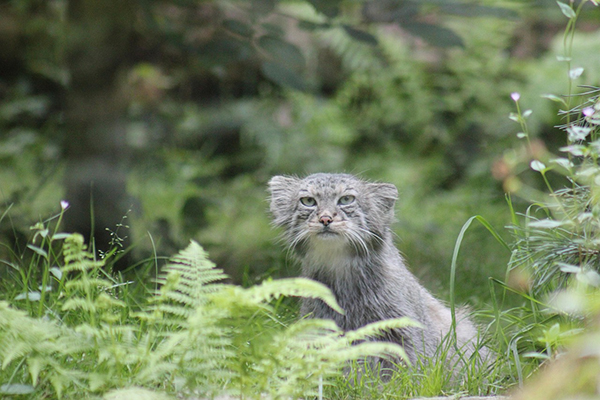
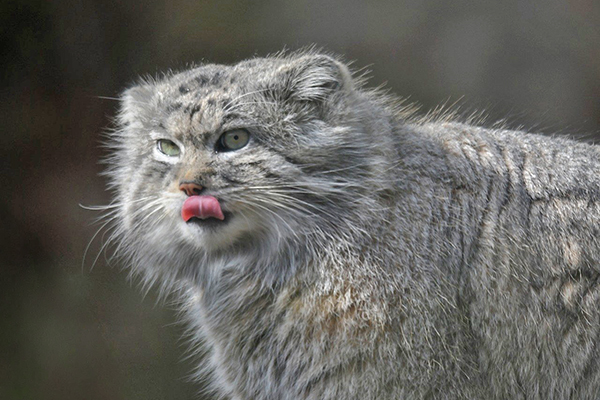
The vast Mongolian steppe. Endless horizons. Bitter winds. Golden grasslands rolling into infinity… and hidden somewhere among the rocky outcrops and undulating ravines… lives one of the most elusive wild cats on Earth - the Pallas’s Cat, also known as the Manul.

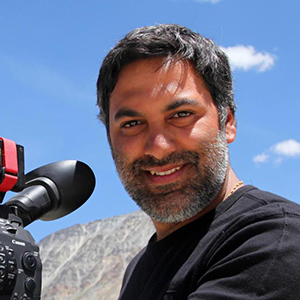
DCP Expeditions invites you to an extraordinary wildlife photography expedition to Eastern Mongolia in search of this iconic small predator. This is not a safari in the conventional sense. This is a conservation-driven, field-intensive, authentic wilderness experience in collaboration with local researchers and conservationists dedicated to protecting the species. Led by renowned wildlife photographer and film maker, Vijay Bedi, this expedition is designed for serious wildlife photographers who wish to document one of the rarest felines in its natural habitat.

DCP Experts

DCP Safety

Entry fees

Images Review

Meals

Post Event

Stay

About The Tour

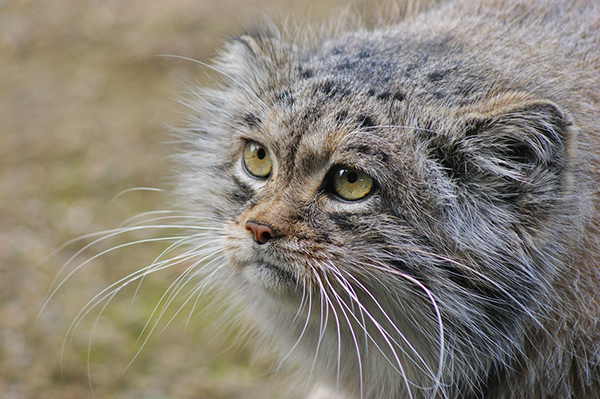
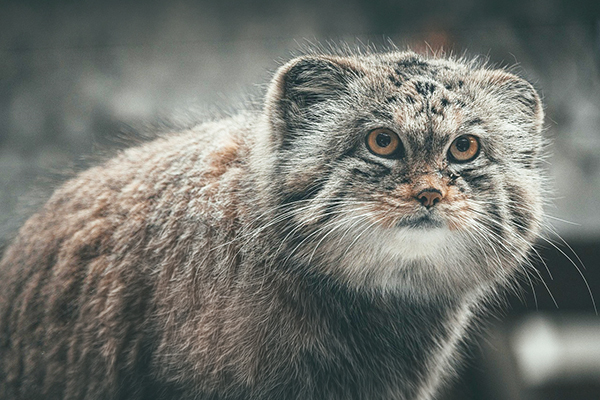
The Manul is a master of camouflage. With its dense fur, compact body, and piercing eyes, it blends seamlessly into Mongolia’s cold, arid steppe ecosystem. Predominantly crepuscular, it is most active at dawn and dusk, though winter conditions may alter its behaviour.

Our base will be the eco-friendly Manul Camp located in Sukhbaatar Province, approximately 570 km east of Ulaanbaatar  . This region offers one of the best chances globally to observe and photograph Pallas’s Cat in the wild. This expedition supports conservation directly, as funds raised contribute to Pallas’s Cat research and habitat protection.

Target Species

Pallas’s Cat (Manul), Corsac Fox, Steppe Polecat, Mongolian Gazelle, Steppe Eagle, Eagle Owl, Oriental Plover, Przewalski’s Horse (extension), Red Deer, Mongolian Marmot

Quick Information

Route:

Ulaanbaatar to Manul Camp in Sukhbaatar Province

Start Point:

Ulaanbaatar

Duration:

7 nights 8 days

End Point:

Ulaanbaatar

Inclusions

This is not just about sighting an animal. It is about:

  • Experiencing one of the last great open wilderness landscapes on Earth.
  • Photographing a species that very few  have successfully documented in the wild.
  • Staying in traditional Mongolian ger camps under pristine, light-pollution-free night skies  .
  • Working alongside English-speaking biologists and local conservation teams  .
  • Being part of a meaningful conservation-focused initiative.

Experts

How To Reach

Your International arrival  would be into Ulaanbaatar. We will travel from Ulaanbaatar to Manul Camp in Sukhbaatar Province, which is approximately 570 km east. Return from Manul Camp will be to Ulaanbaatar.

Not applicable

Not applicable

Getting Ready

Things to carry:

  • Telephoto lenses – preferably above 600 mm.
  • Carry fully charged batteries for your camera / flash.
  • Carry backup memory cards / HDD storage drives, Laptop.
  • It is advisable to carry basic first aid along with you.
  • Carry extra pack of camera batteries.
  • Carry a pair of good binoculars.
  • Down jacket or winter jacket preferably waterproof/water resistant.
  • Ski pants or thick pants to withstand walking in snow or sitting in strong chilly winds.
  • Thermal inners, top and bottom
  • Middle layer normal fleece or regular jacket.
  • Arctic grade gloves 6. Normal winter gloves
  • Thermal Balaclava or thick fleece version
  • Thermal grade woolen cap or beanie
  • Normal cap
  • Thick artic grade socks
  • Normal woolen socks
  • Anti-skid snow boots
  • UV protection sunglasses
  • Sunscreen SPF 50 plus
  • Chap stick
  • Vaseline
  • Winter night suit
  • Snow Gaiters – over pants in case the shoes/bottom of pants opening get wet.

Temperatures vary widely across seasons, from sub-zero winters to mild summers. Proper preparation is essential.

Accomodation and food

We stay in eco-friendly traditional Mongolian ger camps offering a comfortable yet authentic wilderness experience. Each ger includes beds with sheets and pillows, basic furnishings and charging plug points, while toilets and showers are located outside. Electricity is generator-powered, and the camp has stable 4G connectivity and Wi-Fi. An English-speaking biologist accompanies the group throughout the expedition. Meals include hearty Mongolian and Russian-style cuisine with meat, rice, noodles, vegetables, soups and desserts, along with breakfast items like eggs, bread and oatmeal. Vegetarian and vegan options are available on request, and bottled drinking water is provided during the stay.

Visa application process

  • Visit the official Mongolia eVisa portal: https://www.evisa.mn/
  • Check your eligibility and select Tourist Visa (single entry)
  • Complete the online application form with travel and accommodation details
  • Upload passport copy (valid for at least 6 months) and recent passport-size photograph
  • Pay the visa fee securely online
  • Receive eVisa approval via email (usually within a few working days)
  • Print the approved eVisa and carry it along with passport and return tickets

Itinerary

Arrival at Ulaanbaatar. After immigration formalities, we begin our long drive east toward Manul Camp. The journey covers approximately 500 km of paved road and 70 km of earth road  , taking us deep into Mongolia’s open steppe landscape.

Overnight in traditional ger camp.

Our first full field day begins with exploring ravines, water points and rocky outcrops where wildlife activity is concentrated. We familiarise ourselves with terrain features used by Pallas’s Cat and scan for birds such as Steppe Eagle, Eagle Owl and Oriental Plover.

Evening session dedicated to Manul observation near previously identified activity zones.

Overnight in ger camp.

Morning session focuses on searching for Corsac Fox and Steppe Polecat  , both sympatric carnivores of the steppe ecosystem.

Post-lunch, we position ourselves for extended Pallas’s Cat observation, working patiently until sunset.

Overnight in ger camp.

This is a dedicated full-day Manul tracking effort. Based on fresh signs and local intelligence, we reposition to promising rocky slopes and grassland transitions.

During breeding season, there is a possibility of observing kittens near denning zones while waiting for the mother to return.

Overnight in ger camp.

Final full field session at Manul Camp. We maximise photographic opportunities and also document environmental landscapes, steppe ecology and associated wildlife such as Mongolian Gazelle.

Evening reflection session and image review with mentor Vijay Bedi.

Overnight in ger camp.

We depart Manul Camp and drive back toward Ulaanbaatar, covering approximately 570 km.

Check in to hotel in the city. Evening at leisure.

Overnight in Ulaanbaatar.

Transfer to airport for onward international flight.


Field Learnings

Key Learning Outcomes

  • Understanding Pallas’s Cat behaviour and habitat use
  • Working in open steppe environments with long focal lengths
  • Low-angle composition in rocky terrain
  • Ethical wildlife photography in sensitive denning zones
  • Tracking and reading steppe predator signs
  • Photographing in harsh light and high-contrast grassland ecosystems
  • Storytelling through conservation photography

What You Will Learn

Under the mentorship of Vijay Bedi, participants will learn how to approach one of the world’s most elusive wild cats with patience, discipline and ethical awareness. You will refine your ability to photograph in open, exposed terrain where camouflage and distance challenge even seasoned professionals. We will focus on environmental compositions, storytelling frames, behavioural documentation and conservation narrative building. This expedition will sharpen your fieldcraft as much as your technical skills.


Package Cost

For regular tour 4800 USD per head (Ex Ulaanbaatar city)
(INR equivalent of 4800 USD to be paid as on date of transaction)

Optional extension to Hustai National Park

We return toward Ulaanbaatar and continue west to Hustai National Park. Hustai is famous for the successful reintroduction of the Przewalski’s Horse (Takhi). Other species include Red Deer and Mongolian Marmot. This extension adds diversity to your Mongolian wildlife portfolio.

WhatsApp to ask for a payment link / QR code to pay / additional cost for Hustai extension

Inclusions

  • Airport to Manul Camp transfers
  • Accommodation in ger camp
  • All meals at camp
  • English-speaking biologist guide
  • Local field support team
  • One hotel night in Ulaanbaatar (as per program)
  • Transport from Manul Camp back to Ulaanbaatar

Exclusions

  • International flights
  • Mongolian visa (apply via official eVisa portal)
  • Meals in city hotels
  • Soft drinks in hotels
  • Travel insurance (mandatory)
  • Personal photography equipment
  • Additional hotel nights in Ulaanbaatar

Applicable TCS:

Section 206C(G) of Income tax act, 1961 mandates tour package operators selling overseas packages to collect TCS from the individuals travelling abroad. As announced in budget 2025, the threshold limit of remittances (under LRS) made to overseas tour package sellers is Rs. 10 lakh (except for medical and educational expenses). TCS is 5% below threshold and 20% above the threshold. As a mandate, we will therefore, be collecting TCS as per the mentioned threshold and depositing to Govt within the deadline. Don't worry, TCS isn't an extra fee! It is an advance tax payment that will be adjusted against your income tax liability when you file your returns. 


Map

Manul Camp


Policies

Cancellation policy

  • All cancellations before 30 days of the event date - 80% credit
  • All cancellations between 20 - 30 days of the event date - 50% credit
  • All cancellations within 20 days of the event date - No credit possible

FAQ's

Moderate. Long drives and extended field waiting periods are involved.

This is a wild species in open terrain. While sightings are never guaranteed, this region offers one of the highest probabilities globally.

This expedition is recommended for serious wildlife photographers comfortable with patience-driven fieldwork.


Reviews

  0 Ratings & 0 Reviews