No products in the cart.

WhatsApp
×

Design Your Custom Tour

check in

28 Mar,27

check out

08 Apr,27

7 Seats Left

Location

Thimphu

Duration

12D/11N

151,750 165,000

151,750₹ 165,000

Overview

Join DCP Expeditions on a 12-day Bhutan bird photography expedition through one of the Eastern Himalaya’s most rewarding wildlife corridors. Travel from the subtropical foothills of Phuentsholing through Thimphu, Punakha, Trongsa and Bumthang before continuing into the bird-rich forests of Sengor and Yongkola.

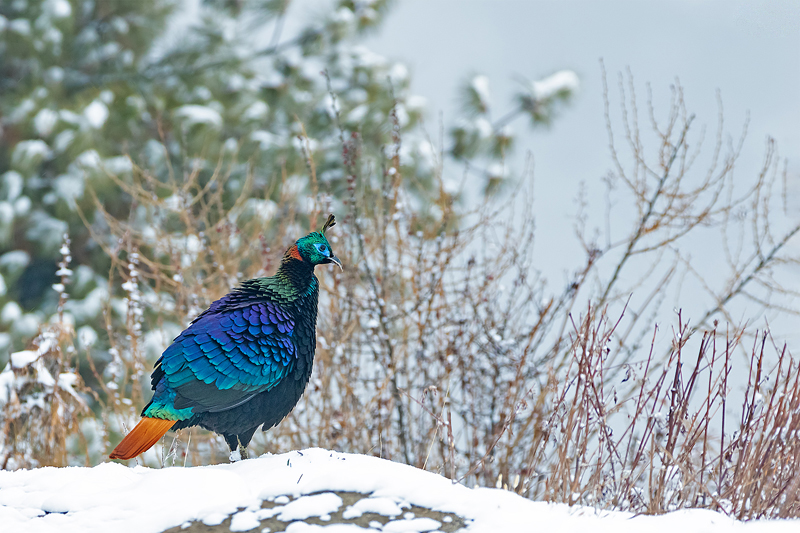
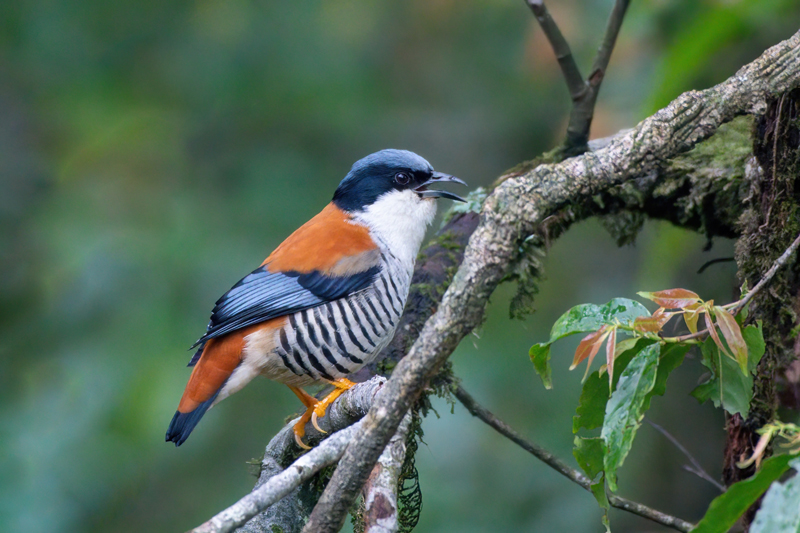
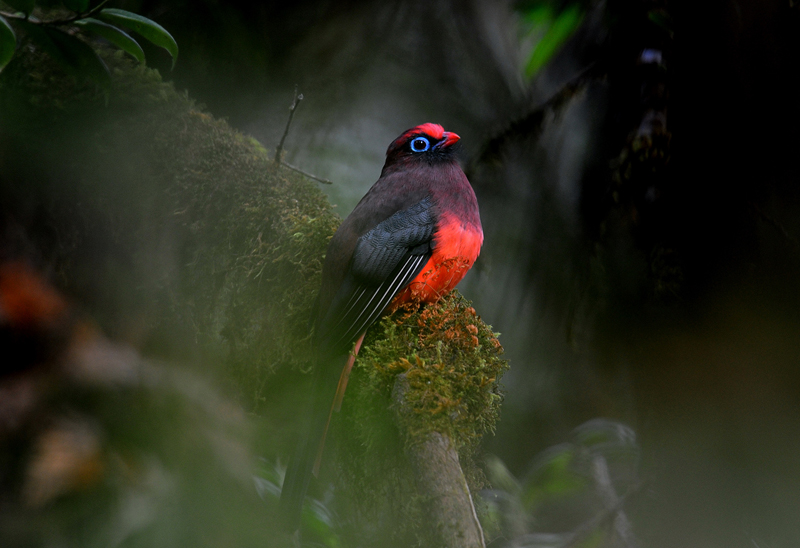
Designed for a small group of up to five photographers, the expedition offers possible opportunities to photograph Himalayan specialities such as Ward’s Trogon, Satyr Tragopan, Himalayan Monal, Beautiful Nuthatch and Rufous-necked Hornbill.

The journey concludes via Trashigang and Samdrup Jongkhar, followed by a transfer to Guwahati Airport. Wildlife sightings and photographic opportunities remain subject to weather, habitat conditions and animal movement.

DCP Experts

DCP Safety

Entry fees

Images Review

Meals

Post Event

Stay

About The Tour

Bhutan’s dramatic variations in elevation create an extraordinary sequence of habitats—from tropical foothills and subtropical broadleaf forests to temperate woodlands, river valleys, rhododendron forests and high Himalayan passes.

This carefully planned Bhutan bird photography tour follows that altitudinal gradient from Bagdogra Airport to Guwahati Airport, providing access to diverse birding habitats across western, central and eastern Bhutan.

The expedition combines early-morning birding, roadside photography, forest walks, riverine habitats and productive mountain passes. Important locations include Dochula Pass, Pele La Pass, Bumthang, Thrumshingla and the internationally renowned forests around Yongkola.

The small group size allows greater flexibility in the field while encouraging responsible, low-impact photography. Participants will also receive guidance on exposure, autofocus, composition, long-lens technique and ethical wildlife photography.

The route and daily programme may be adjusted by the expedition team according to weather, road conditions and current bird activity.

Target Species

Possible target species include:

  • Ward’s Trogon
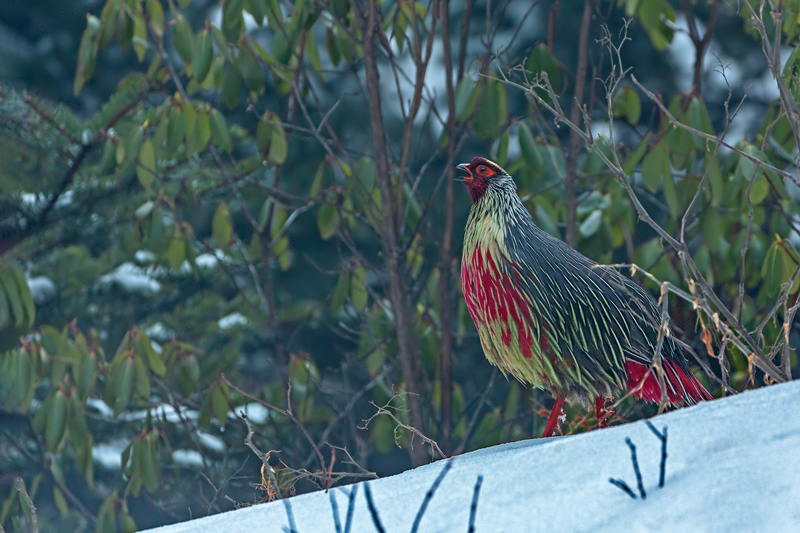
  • Satyr Tragopan
  • Himalayan Monal
  • Beautiful Nuthatch
  • Rufous-necked Hornbill
  • Wreathed Hornbill
  • Great Hornbill
  • Oriental Pied Hornbill
  • Blue-naped Pitta
  • Rufous-throated Partridge
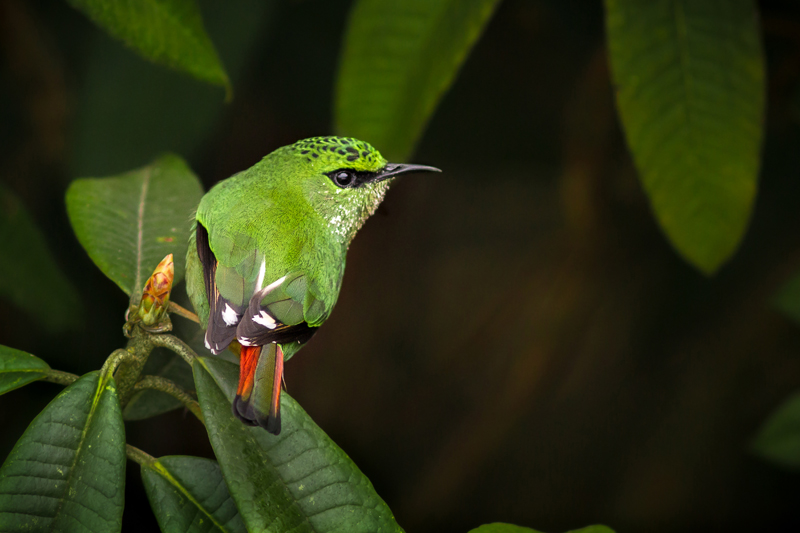
  • Fire-tailed Sunbird
  • Beautiful Sibia
  • Yellow-billed Blue Magpie
  • Spotted Nutcracker
  • White-collared Blackbird

All sightings are subject to natural conditions and cannot be guaranteed.

Quick Information

Route:

Bagdogra Airport – Phuentsholing – Thimphu – Punakha – Trongsa – Bumthang – Sengor – Yongkola – Trashigang – Samdrup Jongkhar – Guwahati Airport

Start Point:

Bagdogra Airport (IXB), India

Duration:

11 nights 12 days

End Point:

Guwahati Airport (GAU), India

Inclusions

  • Eleven nights’ accommodation in hotels, resorts, a farmhouse or a basic guesthouse, as specified in the itinerary
  • Meals as specified in the daily programme
  • Road transfers from Bagdogra Airport to Guwahati Airport
  • Guided birding and photography sessions
  • Assistance with Bhutan entry and exit formalities
  • Small-group experience for a maximum of five photographers

Experts

How To Reach

Fly to Bagdogra Airport (IXB), the starting point of the expedition. Participants should arrive in time for the approximately four-hour road transfer to Phuentsholing and the completion of Bhutan entry formalities.

The group will travel from Bagdogra Airport to Phuentsholing, Bhutan’s principal southwestern land gateway. Entry formalities are scheduled to be completed at the immigration office. The expedition concludes with an approximately four-to-five-hour transfer from Samdrup Jongkhar to Guwahati Airport.

**We recommend Flexi flight option for greater flexibility in unforeseen cancellations.

Not applicable

Not applicable

Getting Ready

Things to carry:

Participants should prepare for pre-dawn starts, mountain roads, changing forest light and temperatures ranging from approximately 5°C at high passes to around 28°C near Samdrup Jongkhar.

  • A telephoto lens of 500 mm or longer is recommended for bird photography.
  • Carry a mid-range zoom for environmental portraits and a wide-angle lens for landscapes.
  • Bring fully charged batteries, a charger and sufficient spare batteries.
  • Carry ample memory cards and a reliable backup drive.
  • Bring rain protection for cameras and lenses.
  • Pack layered clothing, a warm fleece and a waterproof jacket.
  • Carry comfortable walking shoes, a sun hat and a quiet daypack.
  • A torch or headlamp is useful for pre-dawn and evening sessions.
  • Carry personal medication and a basic first-aid kit.
  • Consult your doctor regarding travel above 3,000 metres.
  • Travel insurance covering medical treatment, evacuation, cancellation and equipment is strongly recommended.
  • Mobile connectivity may be limited around Sengor and Yongkola.
  • Follow the mentor and naturalist’s instructions and avoid disturbing nests, display sites and sensitive habitats.

Itinerary

Arrive at Bagdogra Airport, where the expedition team will receive you for the approximately four-hour drive to Phuentsholing, Bhutan’s main southwestern border town. After completing the necessary entry formalities, we will check in at our hotel.

Depending on the arrival time, we may explore the town gardens, outskirts and Torsa River for birds such as Rufescent Prinia, Asian Fairy-bluebird, Grey-chinned Minivet, River Lapwing, Grey Treepie and Common Hill Myna.

Altitude: Approximately 300 metres
Accommodation: Hotel in Phuentsholing
Meals: Breakfast or lunch en route and dinner at the hotel

After breakfast, we begin our journey towards Thimphu. The approximately five-to-six-hour drive follows a dramatic ascent from the subtropical Himalayan foothills into temperate broadleaf forests.

We will make several bird photography stops around Chukha, Gedu and suitable forest patches along the route. Possible species include Crested Serpent Eagle, Mountain Imperial Pigeon, Greater Flameback, Blue-throated Barbet, Ibisbill, Verditer Flycatcher, Green-backed Tit, Large Niltava, Red-billed Leiothrix and Black-naped Monarch.

Altitude: Thimphu—2,334 metres
Accommodation: Hotel in Thimphu
Meals: Breakfast and lunch en route and dinner at the hotel

We will spend the day exploring the forests, wetlands and river habitats surrounding Thimphu. Our possible birding locations include the forests around Motithang Takin Reserve, Dechencholing, the Babesa wetlands and the Royal Botanical Park near Lamperi.

The day may offer opportunities to photograph Satyr Tragopan, Slender-billed Scimitar Babbler, Kalij Pheasant, Fire-tailed Sunbird, Beautiful Sibia, White-collared Blackbird, Rufous-gorgeted Flycatcher, Grey-sided Thrush, Speckled Wood Pigeon and Yellow-billed Blue Magpie.

An optional evening walk may be arranged along the Wang Chhu riverbank, depending on available time and local conditions.

Altitude: Approximately 2,334 metres
Accommodation: Hotel in Thimphu
Meals: Breakfast, lunch and dinner

After breakfast, we drive towards Punakha via the spectacular Dochula Pass. Located at approximately 3,100 metres, the pass is known for its 108 memorial chortens and, in clear weather, panoramic views of the Himalayan mountains.

We will explore suitable habitats on both sides of the pass before descending into the warmer Punakha Valley. Possible species include Ward’s Trogon, Stripe-throated Yuhina, Black-faced Laughingthrush, Streak-breasted Scimitar Babbler, Bar-winged Flycatcher-shrike, Brown Bullfinch, Hoary-throated Barwing, Rufous-winged Fulvetta and Darjeeling Woodpecker.

Subject to available time, we may also visit Punakha Dzong and explore the confluence of the Mo Chhu and Pho Chhu rivers.

Drive Time: Approximately three hours, excluding photography stops
Altitude: Dochula—3,100 metres; Punakha—1,200 metres
Accommodation: Hotel or resort in Punakha
Meals: Breakfast en route, lunch at the botanical garden and dinner at the hotel

We travel through Wangdue Phodrang and ascend towards Pele La Pass, one of Bhutan’s productive high-altitude birding areas. The fir and rhododendron forests around the pass provide habitat for several Himalayan specialists.

Our important target is the Beautiful Nuthatch. Other possible species include Rufous-vented Tit, Rusty-flanked Treecreeper, White-browed Fulvetta, Scaly-breasted Wren-Babbler, Grey-hooded Warbler, Tickell’s Leaf Warbler, Yellow-bellied Fantail, Spotted Nutcracker and Yellow-rumped Honeyguide.

We later descend towards Trongsa, where we may photograph views of Trongsa Dzong in the evening.

Drive Time: Approximately five to six hours with birding stops
Altitude: Pele La—3,420 metres; Trongsa—2,200 metres
Accommodation: Hotel in Trongsa
Meals: Breakfast and lunch en route and dinner at the hotel

After breakfast, we drive towards Bumthang through Yotong La Pass. The open meadows, juniper-pine forests and river valleys of Bumthang offer a different range of bird photography opportunities.

We will explore suitable habitats around the pass, Bumthang Valley, the Tang Chhu riverside and the Jakar Dzong area. Possible species include Himalayan Monal, Eurasian Magpie, Red Crossbill, Beautiful Rosefinch, White-winged Grosbeak, Plain Mountain Finch, Himalayan Wood Owl, White Wagtail, Upland Buzzard and Bearded Vulture.

Drive Time: Approximately two to three hours with birding stops
Altitude: Yotong La—3,425 metres; Bumthang—2,580 metres
Accommodation: Hotel or farmhouse in Bumthang
Meals: Breakfast and lunch in the field and dinner at the hotel

Today, we cross Thrumshingla Pass, the high-altitude divide between western and eastern Bhutan. The forests around the pass and Sengor are particularly important for Himalayan bird photography.

We will explore suitable habitats for Satyr Tragopan, Ward’s Trogon, White-browed Rosefinch, Goldcrest, Slender-billed Scimitar Babbler, Chestnut-tailed Minla, Spotted Nutcracker, White-collared Blackbird, Orange-bellied Leafbird and Sultan Tit.

The forests around Sengor are also associated with Red Panda, although sightings are rare and cannot be guaranteed. An early-morning or dusk walk may be arranged according to local conditions.

Drive Time: Approximately four to five hours with birding stops
Altitude: Thrumshingla—3,780 metres; Sengor—2,800 metres
Accommodation: Basic guesthouse in Sengor
Meals: Simple meals as arranged locally

We start our descent from the temperate forests around Sengor towards the subtropical broadleaf forests of eastern Bhutan. The changing altitude brings a significant transformation in vegetation and birdlife.

We will stop at productive habitats along the route and explore areas around the Kuri Chhu Valley and Yongkola. Possible species include Ward’s Trogon, Wreathed Hornbill, Great Hornbill, Oriental Pied Hornbill, Blue-naped Pitta, Rufous-throated Partridge, Long-billed Wren-Babbler, Coral-billed Scimitar Babbler, Pale-headed Woodpecker and Crimson-breasted Woodpecker.

An evening walk along the Kuri Chhu may be arranged depending on our arrival time.

Drive Time: Approximately five to six hours with birding stops
Altitude: Approximately 1,800 metres
Accommodation: Hotel or guesthouse in Yongkola
Meals: Breakfast and lunch in the field and dinner at the accommodation

We begin before dawn to explore the highly productive forests around Yongkola. This region is one of eastern Bhutan’s most important birding areas and supports several Himalayan and subtropical forest specialities.

Our principal target will be Ward’s Trogon. Other possible species include Himalayan Bluetail, Blue-fronted Redstart, Hodgson’s Redstart, Mountain Hawk-Eagle, Red-tailed Minla, Hoary-throated Barwing, White-bellied Nuthatch, Banded Bay Cuckoo, Indian Cuckoo, Pale-capped Pigeon and Thick-billed Green Pigeon.

We may continue birding along the Kuri Chhu in the afternoon. A dusk or night session for owls and nightjars may be arranged if conditions permit.

Altitude: Approximately 1,800 metres
Accommodation: Hotel or guesthouse in Yongkola
Meals: Breakfast, lunch and dinner

After breakfast, we continue east towards Trashigang, passing through varied subtropical habitats and making bird photography stops along the way.

Possible species include Himalayan Owl, Himalayan Shortwing, Rufous-necked Hornbill, Blue-naped Pitta, Indian Roller, Stork-billed Kingfisher, Golden Bush Robin, Mountain Bulbul, Sultan Tit, Long-tailed Minivet, Red-headed Trogon and Gold-naped Finch.

After reaching Trashigang, we may explore the Drangme Chhu river corridor or visit a viewpoint overlooking Trashigang Dzong, subject to available time.

Drive Time: Approximately four to five hours with birding stops
Altitude: Approximately 1,100 metres
Accommodation: Hotel in Trashigang
Meals: Breakfast, lunch and dinner

This will be our final full birding day in Bhutan as we descend from the Himalayan highlands towards the tropical lowlands near the Assam border. The journey passes through a strong altitudinal gradient and a variety of subtropical forest habitats.

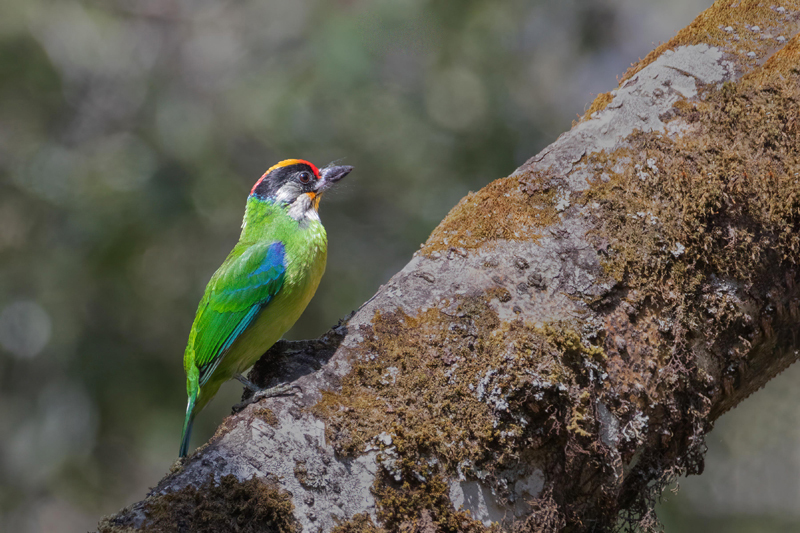
We will make photography stops around suitable forest patches and the Deothang area. Possible species include Streaked Spiderhunter, Sapphire Flycatcher, Short-billed Minivet, Yellow-breasted Greenfinch, Grey-headed Fish Eagle, Rusty-fronted Barwing, Golden-throated Barbet and Chestnut-capped Babbler.

Bengal Florican may be considered only if suitable accessible grassland habitat and current local conditions permit. Before reaching the hotel, we will complete the necessary exit formalities at Samdrup Jongkhar.

Drive Time: Approximately four to five hours with birding stops
Altitude: Approximately 1,100 metres to 200 metres
Accommodation: Hotel in Samdrup Jongkhar
Meals: Breakfast, lunch and final dinner in Bhutan

We may begin the final morning with birding around the hotel gardens and wetlands near the Assam border. Possible species include Greater Adjutant, Blue-winged Minla, Blue-eared Barbet, River Tern, Indian Cuckoo, Pallas’s Fish Eagle, Striated Heron and Little Cormorant.

After breakfast, we cross into India and drive to Guwahati Airport for our onward flights. Depending on the flight schedule, the journey may conclude with a review of the trip’s bird list and photographs.

Participants are advised to book flights departing from Guwahati after 5:00 PM, allowing sufficient time for the road journey, border formalities and airport check-in.

Drive Time: Approximately four to five hours
Accommodation: Not applicable—departure day
Meals: Breakfast and meals as arranged during the transfer


Field Learnings

On-field guidance will help participants create stronger photographs while working responsibly in changing Himalayan conditions. The exact training programme will be adapted to the group’s experience and the opportunities encountered.

  • Ethical approaches to birds and other wildlife
  • Camera modes and exposure control in difficult forest light
  • Metering, exposure compensation and histogram use
  • Autofocus-area selection, subject detection and focus tracking
  • Shutter-speed selection for perched and moving birds
  • Composition and background control
  • Long-lens handling and field-readiness techniques
  • Image review and constructive feedback, subject to the final mentor schedule

Package Cost

INR 1,51,750 per head (Ex Bagdogra) on twin sharing basis

Cost Includes

  • Accommodation on twin sharing basis
  • All 3 meals (Breakfast and lunch only on departure day)
  • Surface transfers
  • Sustainable Development Fee
  • Permits
  • Forest and monument entry fees
  • Local naturalist
  • DCP mentor
  • Taxes

Cost Doesn’t Include

  • Flights
  • Visa or permit expenses not included in the package\
  • Soft drink or alcoholic beverages
  • Travel and medical insurance
  • Equipment rental
  • Personal expenses
  • Beverages
  • Gratuities
  • Optional activities
  • Medical expenses
  • Single-room supplement

Applicable TCS (Tax Collected at Source):

As per Section 206C(1G) of the Income-tax Act, sellers of Overseas Tour Programme Packages are required to collect Tax Collected at Source (TCS) from the buyer. Effective 1 April 2026, TCS is applicable at a flat rate of 2% on the total value of the overseas tour package, irrespective of the package value. The earlier threshold of ₹10 lakh and the higher 20% rate no longer apply to overseas tour packages. The collected TCS will be deposited with the Government of India within the prescribed timelines. Please note that TCS is not an additional cost. It is an advance tax collected on your behalf and will be reflected in your Form 26AS / Annual Information Statement (AIS). You can claim credit for the TCS while filing your Income Tax Return, where it will be adjusted against your final tax liability or refunded, if applicable.


Map

Bhutan


Policies

Cancellation policy

  • Cancellations 90 days or more prior to departure - 10% cancellation fee
  • Cancellations between 61 to 90 days prior to departure - 25% cancellation fee.
  • Cancellations between 46 to 60 days prior to departure - 50% cancellation fee.
  • Cancellations within 45 days of departure - non-refundable.

Disclaimer – Force Majeure

The organizer shall not be liable for any delay, change, cancellation, loss, or additional expenses caused by natural calamities, adverse weather, government restrictions, transport disruptions, or any other force majeure events beyond its control. Any itinerary changes made for participant safety shall be binding. Any additional costs arising from such circumstances shall be borne by the participants, and no refund or compensation shall be payable for affected or unused services.


FAQ's

Yes. Please write to us on info@dcpexpeditions.com as it is subject to availability.

Yes you are welcome. However, the cost remains same for non photographers.


Reviews

  0 Ratings & 0 Reviews