No products in the cart.

WhatsApp
×

Design Your Custom Tour

check in

28 Feb,27

check out

07 Mar,27

7 Seats Left

Location

Arusha

Duration

8D/7N

$ 5,500$ 5,900

$5,500$ 5,900

Overview

Experience the extraordinary wilderness of Tanzania on an immersive wildlife photography expedition through Ngorongoro Crater, Ndutu and Serengeti National Park, three of East Africa’s most celebrated wildlife destinations.

Designed specifically for wildlife photographers and nature enthusiasts, this Tanzania photography tour combines exceptional wildlife encounters with extensive time in the field, carefully planned morning and evening game drives, comfortable safari camps and hands-on photographic guidance from our mentor.

From the remarkable concentration of wildlife inside the Ngorongoro Crater to the open plains of Ndutu and the legendary predator-rich landscapes of the Serengeti, every stage of this journey presents a different photographic environment. Participants can work on wildlife portraits, environmental compositions, action photography, animal behaviour, creative use of light and visual storytelling while experiencing one of Africa’s greatest natural ecosystems.

This expedition is not simply about seeing Tanzania’s wildlife. It is about learning to observe behaviour, anticipate moments and create stronger wildlife photographs through a deeper understanding of light, composition, fieldcraft and photographic storytelling.

DCP Experts

Full Day Safari

Images Review

Meals

Off Roading

Stay

Transport

About The Tour

Tanzania remains one of the world’s finest destinations for wildlife photography, and this carefully curated expedition brings together three remarkably diverse ecosystems within a single photographic journey.

The adventure begins in Arusha, allowing participants to arrive comfortably and prepare for the safari ahead. From here, we travel towards the spectacular Ngorongoro Conservation Area, where the immense volcanic caldera creates one of Africa’s most extraordinary concentrations of wildlife.

The journey then continues towards Ndutu, an important wildlife region forming part of the greater Serengeti ecosystem. Its open plains, woodland edges and seasonal habitats create excellent opportunities for photographing predators, herbivores and intimate behavioural moments.

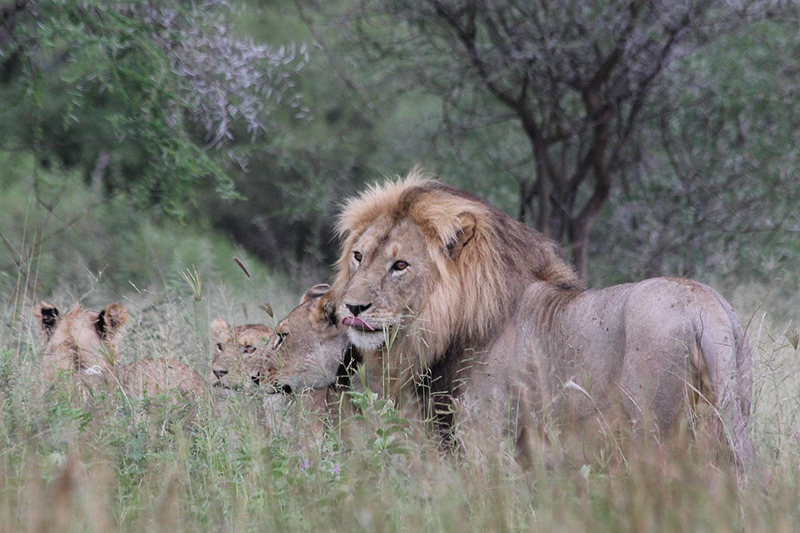
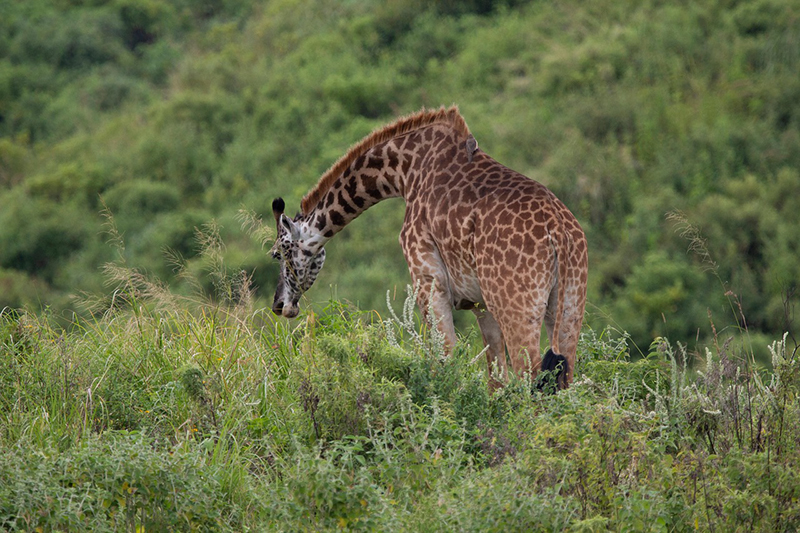
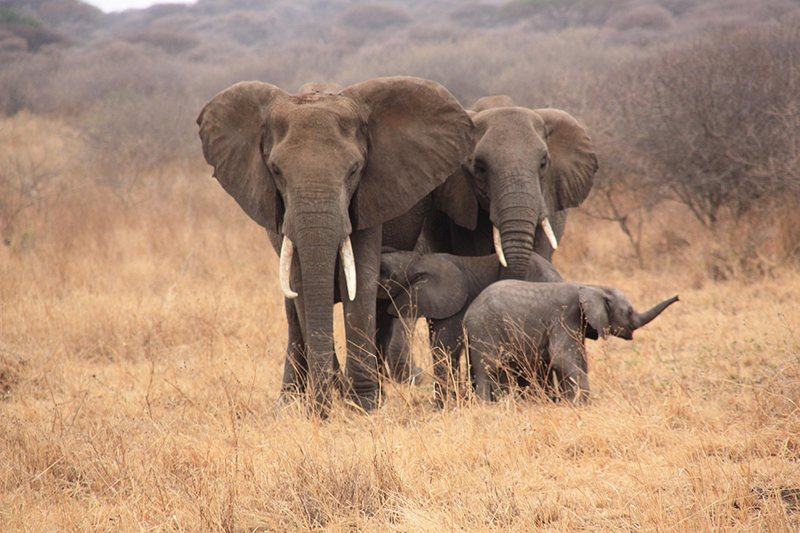
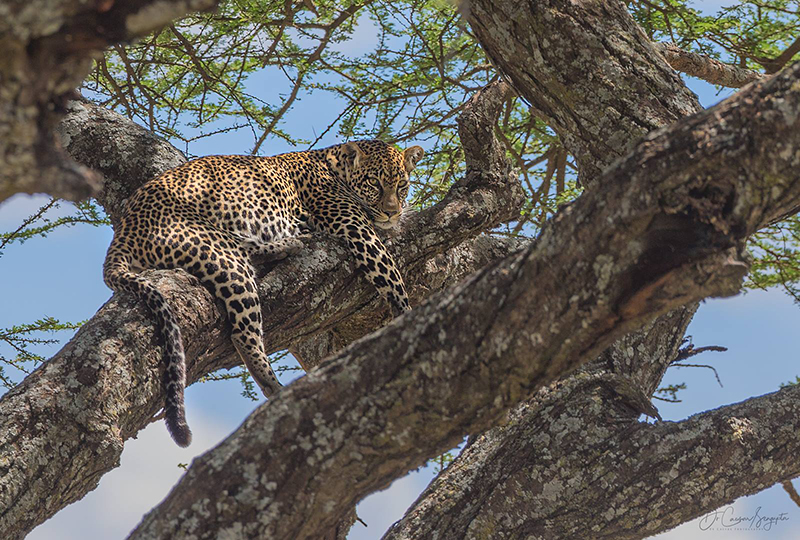
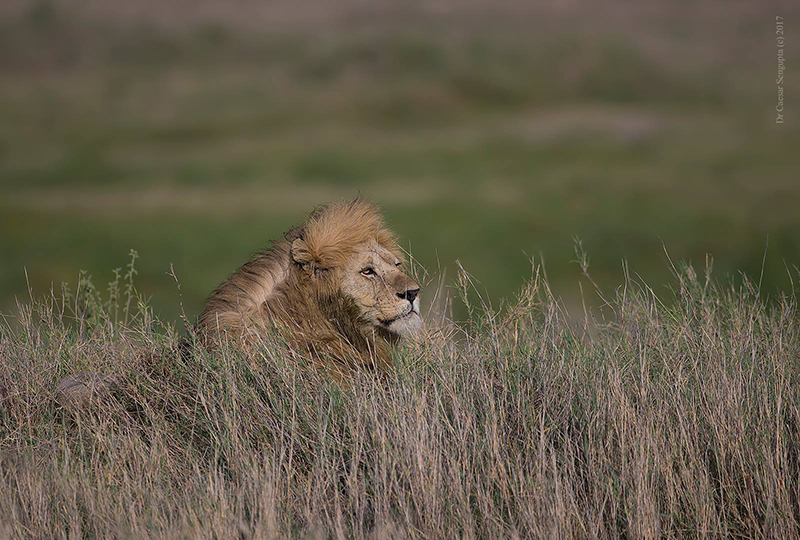
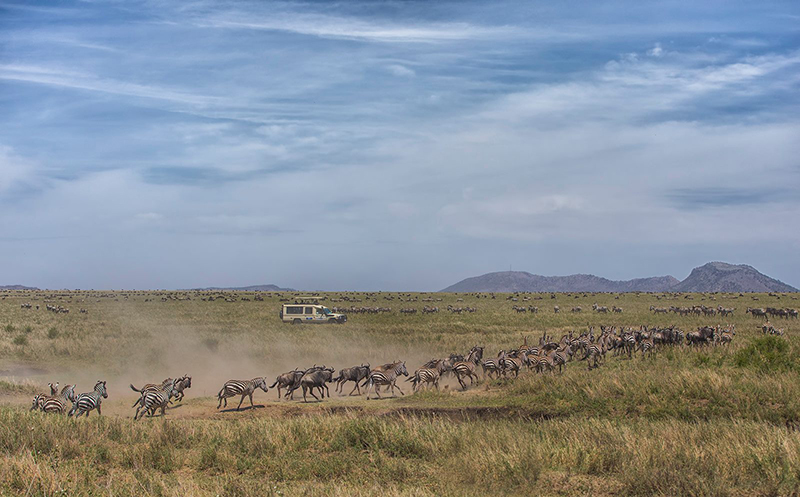
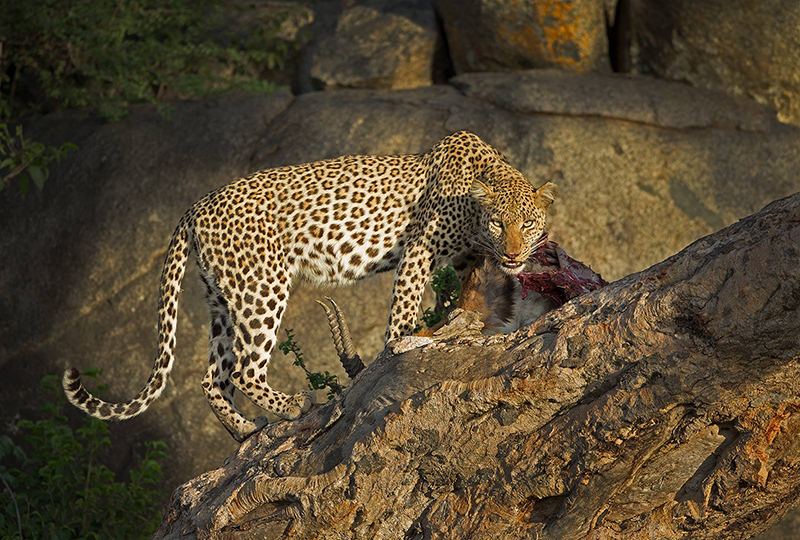
The final and longest photographic phase of the expedition takes place in the legendary Serengeti National Park. Multiple morning and evening game drives provide photographers with valuable time to observe wildlife rather than simply moving rapidly between sightings. Lions, cheetahs, leopards, elephants, giraffes, zebras, wildebeest, hyenas and numerous other mammals and birds may be encountered depending on wildlife movement and prevailing conditions.

Throughout the expedition, the emphasis remains on responsible wildlife photography, understanding animal behaviour, working with changing natural light and developing a more thoughtful approach to photographing Africa’s wilderness.

Quick Information

Route:

Arusha - Ngorongoro Crater - Ndutu - Serengeti National Park - Serengeti

Start Point:

Kilimanjaro Airport

Duration:

7 Nights 8 Days

End Point:

Kilimanjaro Airport

Inclusions

  • 7 nights accommodation as per the itinerary
  • Meals as specified in the itinerary
  • Wildlife photography guidance and on-field mentorship by one experienced DCP mentor
  • All scheduled wildlife photography game drives as per the itinerary
  • Game drives in specially designed 4x4 safari Land Cruisers
  • Ngorongoro Crater safari and conservation fees
  • All applicable national park entry fees and conservation charges
  • Professional English-speaking safari driver-guide
  • Scheduled flight from Serengeti to Arusha on Day 8
  • Airport transfers from and to Kilimanjaro International Airport (JRO) as per the itinerary
  • One litre of bottled drinking water per person per day during the safari
  • Image review and photography discussions whenever time permits

Experts

How To Reach

Fly to Kilimanjaro International Airport (JRO). You will be received by our airport manager and transferred to Arusha for your first night stay before heading into the wild.

**We recommend Flexi flight option for greater flexibility in unforeseen cancellations.

Not Applicable

Not Applicable

Getting Ready

Things to carry:


Photography Equipment

  • Telephoto lenses, preferably 400mm or longer, for wildlife and distant subjects.
  • Zoom lenses such as 100–500mm or 150–600mm for greater flexibility during game drives.
  • Wide-angle or standard zoom lens for landscapes and environmental wildlife photography.
  • Carry sufficient fully charged camera batteries and battery chargers.
  • Carry backup memory cards, portable HDD/SSD and laptop for image backup.
  • Bean bag for supporting telephoto lenses while photographing from safari vehicles.
  • Large towel or cloth to protect cameras and lenses from dust.
  • Good pair of binoculars for spotting and observing wildlife.

Personal Essentials

  • Body warmer or light jacket for chilly early mornings, particularly around Ngorongoro.
  • Comfortable, neutral-coloured clothing suitable for safari.
  • Bandanna, scarf or cloth for protection from dust.
  • Sunscreen, sunglasses and a hat/cap for sun protection.
  • Mosquito repellent such as Odomos.
  • Basic first-aid kit and personal medication.

Visa

  • Indian passport holders can apply for a Tanzania visa online.
  • Register and create an account on the official Tanzania Immigration e-Visa portal.
  • Apply for the appropriate visa and complete the required online formalities.
  • Official e-Visa portal: https://visa.immigration.go.tz
  • Visa regulations may change, so please verify the latest requirements before applying.

Vaccinations

  • Participants should check the latest vaccination and health requirements before travelling to Tanzania.
  • Yellow Fever requirements may depend on your travel route and countries of transit.
  • Consult your doctor regarding recommended vaccinations and malaria precautions for Tanzania.
  • Please contact the DCP Expeditions team if you need assistance with the latest travel requirements.

Itinerary

Welcome to Tanzania.

Upon arrival at Kilimanjaro International Airport, participants will be received and transferred to Arusha. Rather than beginning the safari immediately after an international journey, the first day has deliberately been kept relaxed, allowing everyone time to recover from the flight, settle into the accommodation and prepare their photography equipment for the days ahead.

Depending on individual arrival times, participants can spend the remainder of the day at leisure. The DCP mentor will also use the available time to discuss the photographic approach for the expedition, recommended camera configurations, equipment preparation and important field practices for photographing wildlife from safari vehicles.

The evening provides an opportunity to rest and prepare for our journey into Tanzania’s wilderness the following morning.

Overnight: Arusha

After breakfast, we leave Arusha and travel towards the spectacular Ngorongoro Conservation Area, one of Tanzania’s most remarkable wildlife landscapes.

Our primary photographic experience today will be inside the legendary Ngorongoro Crater, a vast volcanic caldera supporting an extraordinary concentration of African wildlife. The descent into the crater reveals an impressive mosaic of grasslands, wetlands, woodland and open plains, creating varied habitats and equally varied photographic opportunities.

Depending on wildlife movement, participants may encounter lions, elephants, buffaloes, zebras, wildebeest, hyenas, gazelles, hippos and numerous bird species. The crater is also one of Tanzania’s important areas for the critically endangered black rhinoceros, although all wildlife sightings remain entirely dependent on nature.

The emphasis during the crater safari will be on observing behaviour, photographing wildlife within its environment and learning to work with the constantly changing light and backgrounds of the crater floor.

Following our exploration, we proceed to Ngorongoro Tortilis Camp for the evening.

Overnight: Ngorongoro Tortilis Camp or similar

After breakfast, we leave the Ngorongoro region and travel towards Ndutu, entering another fascinating part of the greater Serengeti ecosystem.

The changing landscape itself becomes part of the experience as highland environments gradually give way to expansive plains and classic East African wilderness.

After reaching Ndutu Kati Kati Tented Camp, we settle in before heading out for our first afternoon game drive in the Ndutu region. The softer afternoon light offers excellent opportunities for wildlife portraits, environmental compositions and behavioural photography.

Rather than simply documenting sightings, participants will be encouraged to study backgrounds, subject orientation, direction of light and behavioural possibilities before making photographs.

Overnight: Ndutu Kati Kati Tented Camp or similar

Today is dedicated entirely to exploring and photographing the wildlife of Ndutu.

We begin with an early morning game drive, taking advantage of the beautiful low-angle light and increased wildlife activity during the cooler hours. Morning sessions can provide opportunities for photographing predators on the move, grazing herbivores, birds and quieter behavioural interactions across the plains.

We return to camp during the middle of the day for meals, rest and, whenever possible, informal photography discussions or image reviews with the DCP mentor.

Later in the afternoon, we head back into the field for another dedicated wildlife photography session. As temperatures begin to fall, animal activity often increases and the warm evening light can transform the open landscape.

Having both morning and evening sessions allows photographers to revisit subjects, explore different lighting situations and spend meaningful time observing behaviour.

Overnight: Ndutu Kati Kati Tented Camp or similar

After breakfast, our Tanzania wildlife photography expedition continues towards the legendary Serengeti National Park.

The journey takes us deeper into one of the world’s most celebrated wildlife ecosystems. The seemingly endless grasslands, scattered acacia trees and rocky kopjes create the quintessential East African safari landscape and provide extraordinary possibilities for wildlife photography.

After reaching Serengeti Kati Kati Tented Camp and completing the necessary formalities, we head out for our first afternoon game drive in the Serengeti.

Our photographic focus will increasingly shift towards interpreting wildlife within the vast landscape. Participants will explore techniques for creating both intimate portraits and wider environmental images that communicate the scale and atmosphere of the Serengeti.

Overnight: Serengeti Kati Kati Tented Camp or similar

An early start takes us back onto the Serengeti plains for another dedicated morning photography session.

The Serengeti supports an extraordinary predator-prey ecosystem, and every game drive can unfold differently. Lions resting around rocky kopjes, cheetahs scanning open grasslands, elephants moving across the plains, giraffes framed against distant horizons and numerous species of antelope and birds can all provide compelling photographic opportunities.

During sightings, the DCP mentor will guide participants in anticipating behaviour, selecting shutter speeds, controlling depth of field, understanding autofocus strategies and making compositional decisions according to the situation.

After returning to camp during the middle of the day, we head out again in the afternoon to photograph wildlife in the changing evening light.

Overnight: Serengeti Kati Kati Tented Camp or similar

Our final full day in the wilderness is dedicated to making the most of the photographic possibilities offered by the Serengeti.

Morning and afternoon game drives allow us to respond to current wildlife activity and revisit productive areas whenever appropriate. By this stage of the expedition, participants will have spent several days applying different wildlife photography techniques and will be encouraged to concentrate increasingly on creating distinctive images rather than simply recording species.

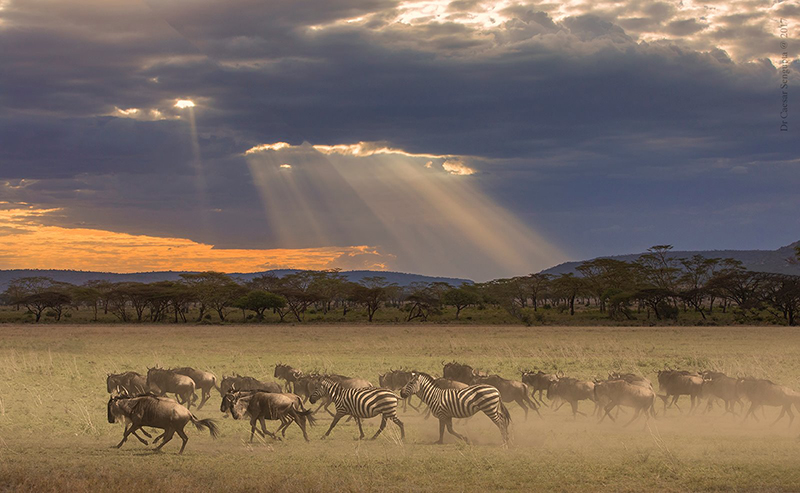
The day’s photography may range from action and behavioural sequences to intimate portraits, silhouettes, backlit subjects and wider compositions showing wildlife within the immense Serengeti landscape.

The final evening safari is also an opportunity to slow down and absorb the atmosphere of one of Africa’s greatest wilderness areas before returning to camp.

Overnight: Serengeti Kati Kati Tented Camp or similar

After breakfast, we prepare to leave the Serengeti and transfer to the designated airstrip for our scheduled flight back to Arusha.

The aerial journey provides a final perspective of Tanzania’s immense wilderness before we arrive in Arusha. From here, participants will be transferred to Kilimanjaro International Airport (JRO) according to the planned departure arrangements.

Our Tanzania wildlife photography journey concludes here after eight days of extraordinary landscapes, wildlife encounters, photographic learning and shared experiences in the field.


Field Learnings

This Tanzania wildlife photography expedition has been designed as an intensive field-learning experience where photographic concepts are understood and applied during real wildlife encounters.

Participants will learn how to configure cameras for rapidly changing safari situations, select appropriate shutter speeds for stationary and moving wildlife, use aperture and depth of field creatively, optimise autofocus and subject-tracking settings, and respond quickly when animal behaviour changes.

Considerable emphasis will be placed on understanding natural light. Participants will explore front light, side light, backlight, rim light and low-angle golden-hour illumination while learning how exposure decisions influence mood and visual impact.

Composition will extend beyond conventional wildlife portraits. The expedition will encourage photographers to create environmental wildlife images, behaviour-driven photographs, habitat compositions, silhouettes, layered frames and storytelling sequences.

Most importantly, participants will develop the ability to observe wildlife patiently and anticipate behaviour. Understanding when an animal may move, interact, hunt, communicate or change direction can often make the difference between documenting a sighting and creating a memorable wildlife photograph.

The DCP mentor will provide practical guidance throughout the expedition, with image discussions and reviews incorporated whenever safari schedules and available time permit.


Package Cost

US$ 5,500 per person, inclusive of all applicable taxes

The package cost is based on twin-sharing accommodation, with a maximum of 4 participants per 4x4 safari Land Cruiser, ensuring comfortable space and better opportunities for wildlife photography.

Single Room Supplement: US$ 620 per person additional.

Participants choosing to pay in INR will be charged according to the applicable USD to INR exchange rate on the date of transaction.

Cost Includes

  • Arrival and departure airport transfers as per itinerary
  • 7 nights / 8 days accommodation as per itinerary
  • Meals as specified in the itinerary
  • All scheduled game drives as per itinerary
  • Maximum 4 participants per 4x4 safari Land Cruiser
  • All applicable national park entrance fees and conservation charges
  • Transportation and game drives in 4x4 safari Land Cruisers
  • Services of a qualified English-speaking safari driver-guide
  • On-field wildlife photography guidance by one DCP photography mentor
  • Scheduled flight from Serengeti to Arusha on Day 8
  • 1 litre bottled drinking water per person per day while travelling on safari

Cost Does Not Include

  • International airfare and applicable airline taxes
  • Tanzania visa charges
  • Travel insurance, medical insurance and personal accident insurance
  • Alcoholic beverages and other beverages not included in the package
  • Tips and gratuities for safari guides, camp staff and other service personnel
  • Telephone calls, laundry and other expenses of a personal nature
  • Meals other than those specifically mentioned in the itinerary
  • Foreign exchange expenses and other personal financial charges
  • Optional activities, excursions or services not specifically mentioned in the itinerary
  • Any additional expenses arising due to flight delays or cancellations, weather conditions, changes in government regulations or other circumstances beyond our control

Applicable TCS (Tax Collected at Source):

As per Section 206C(1G) of the Income-tax Act, sellers of Overseas Tour Programme Packages are required to collect Tax Collected at Source (TCS) from the buyer. Effective 1 April 2026, TCS is applicable at a flat rate of 2% on the total value of the overseas tour package, irrespective of the package value. The earlier threshold of ₹10 lakh and the higher 20% rate no longer apply to overseas tour packages. The collected TCS will be deposited with the Government of India within the prescribed timelines. Please note that TCS is not an additional cost. It is an advance tax collected on your behalf and will be reflected in your Form 26AS / Annual Information Statement (AIS). You can claim credit for the TCS while filing your Income Tax Return, where it will be adjusted against your final tax liability or refunded, if applicable.


Map

Tanzania


Policies

Cancellation policy

  • Cancellations 90 days or more prior to departure - 10% cancellation fee
  • Cancellations between 61 to 90 days prior to departure - 25% cancellation fee.
  • Cancellations between 46 to 60 days prior to departure - 50% cancellation fee.
  • Cancellations within 45 days of departure - non-refundable.

Disclaimer – Force Majeure

The organizer shall not be liable for any delay, change, cancellation, loss, or additional expenses caused by natural calamities, adverse weather, government restrictions, transport disruptions, or any other force majeure events beyond its control. Any itinerary changes made for participant safety shall be binding. Any additional costs arising from such circumstances shall be borne by the participants, and no refund or compensation shall be payable for affected or unused services.


FAQ's

Yes. Please write to us on info@dcpexpeditions.com as it is subject to availability.

Yes you are welcome. However, the cost remains same for non photographers.


Reviews

  0 Ratings & 0 Reviews