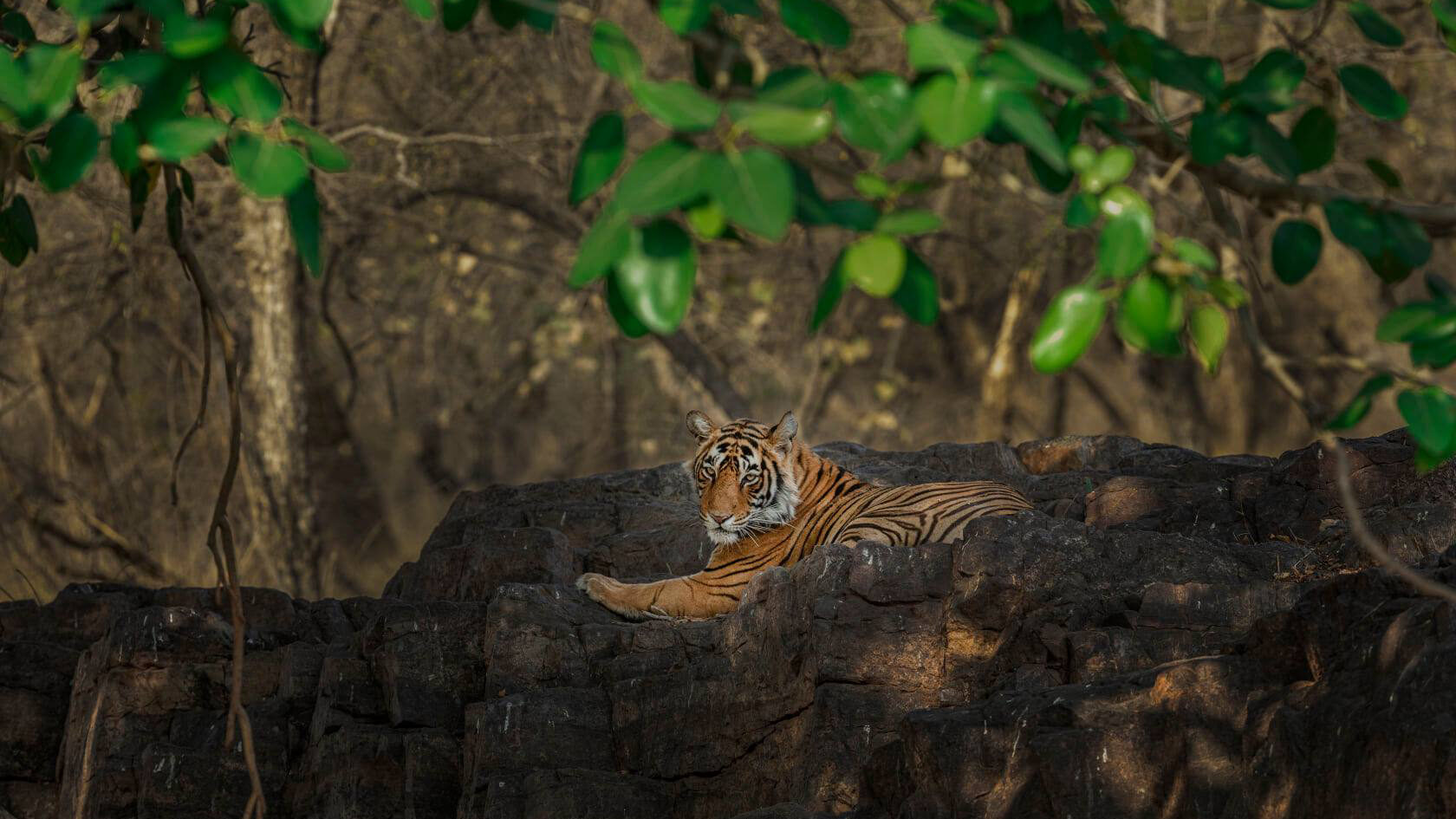
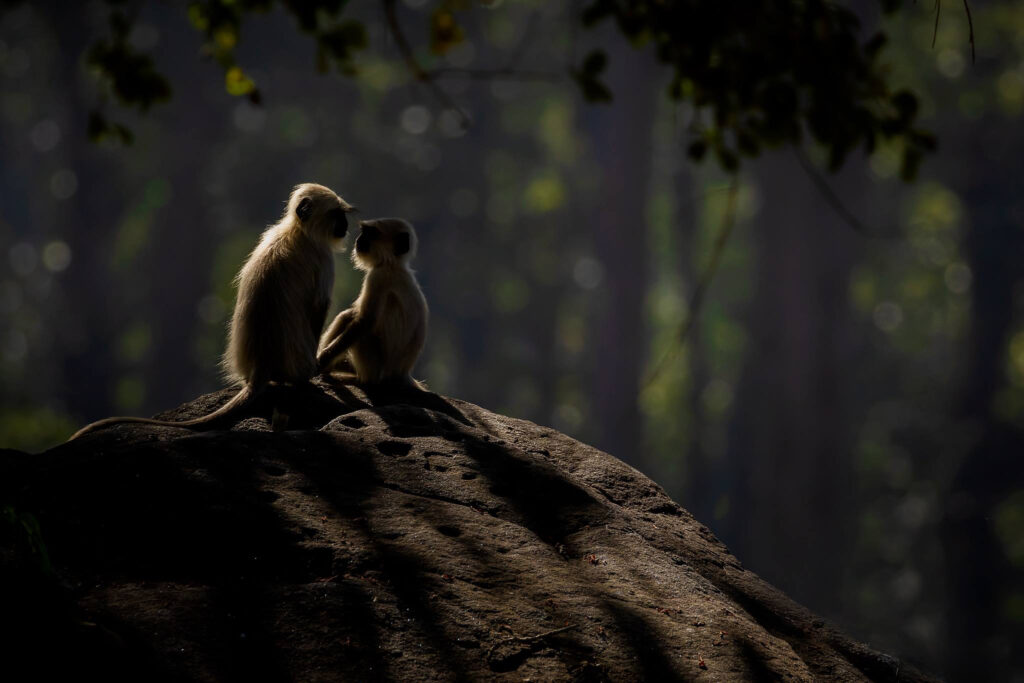
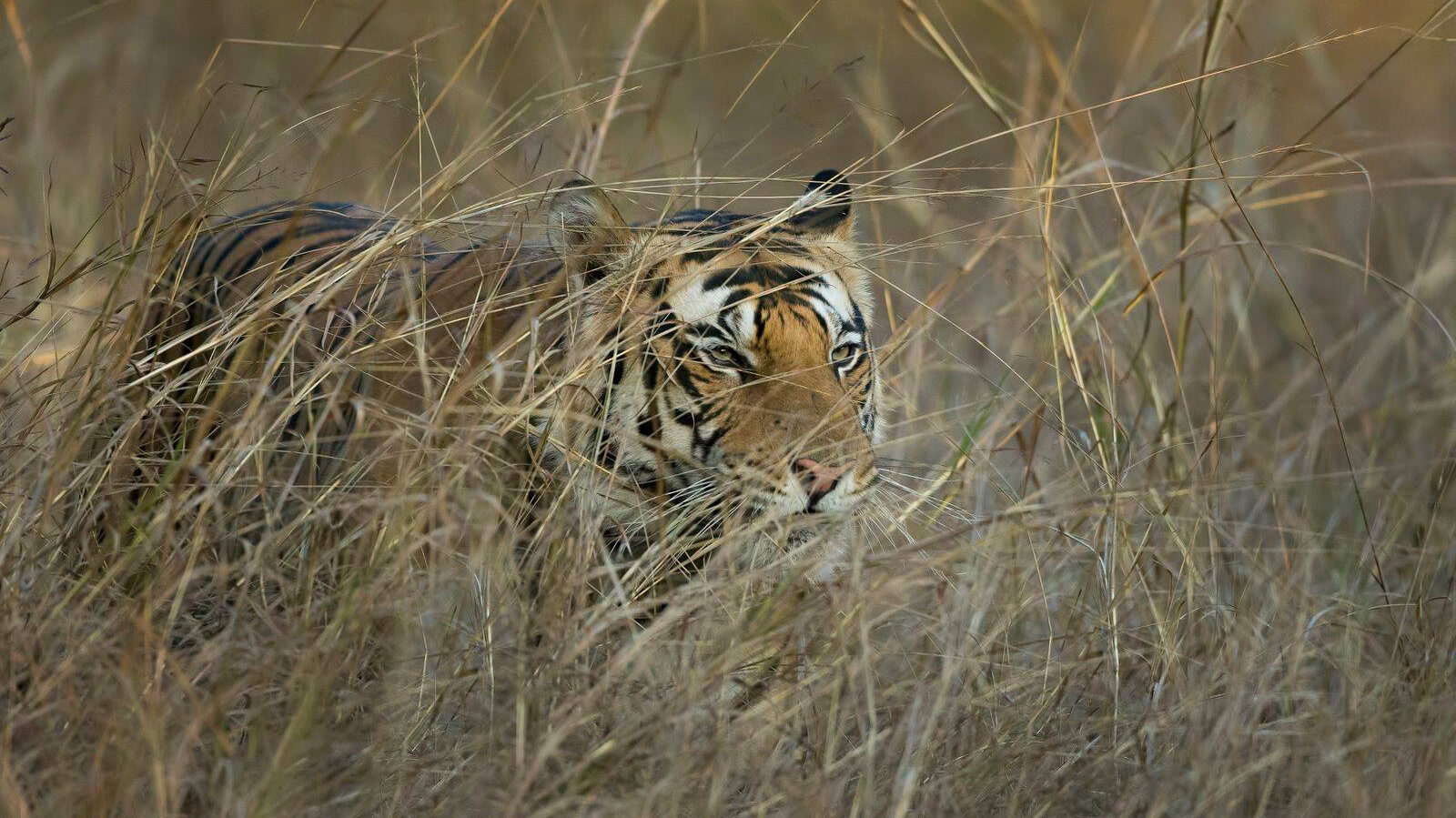
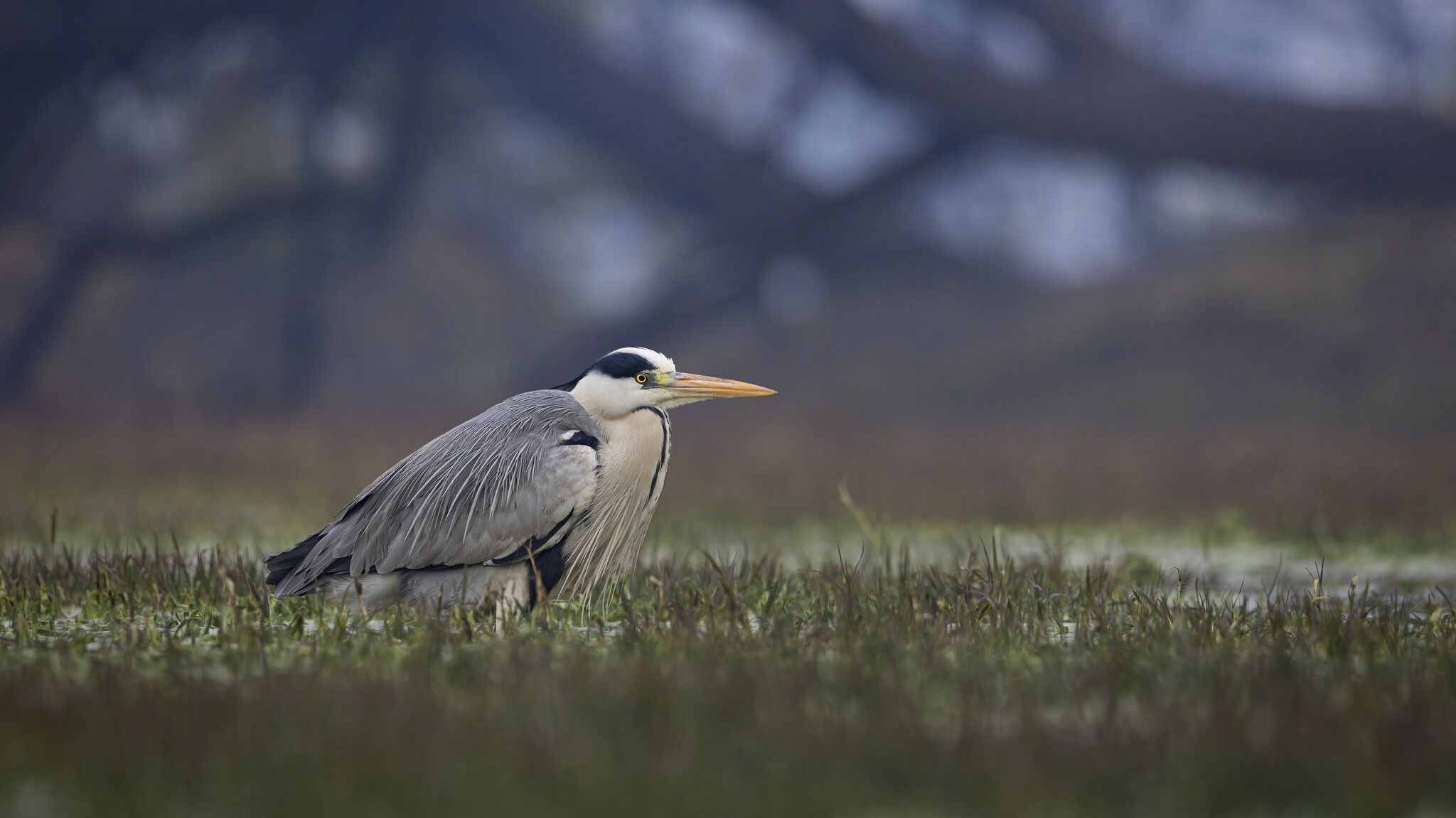
India is one of the richest birding nations in the world, home to more than 1,300 bird species, including migratory visitors that travel thousands of kilometers to winter here. For photographers, the country’s wetlands, forests, and mountains offer endless opportunities, from vibrant kingfishers and hornbills to elegant cranes and raptors in flight.
If you are planning bird photography tours in India for 2025–26, here are some of the top destinations to explore with DCP Expeditions, along with the species and experiences that make each place unique.
Bharatpur – Keoladeo National Park (Rajasthan)
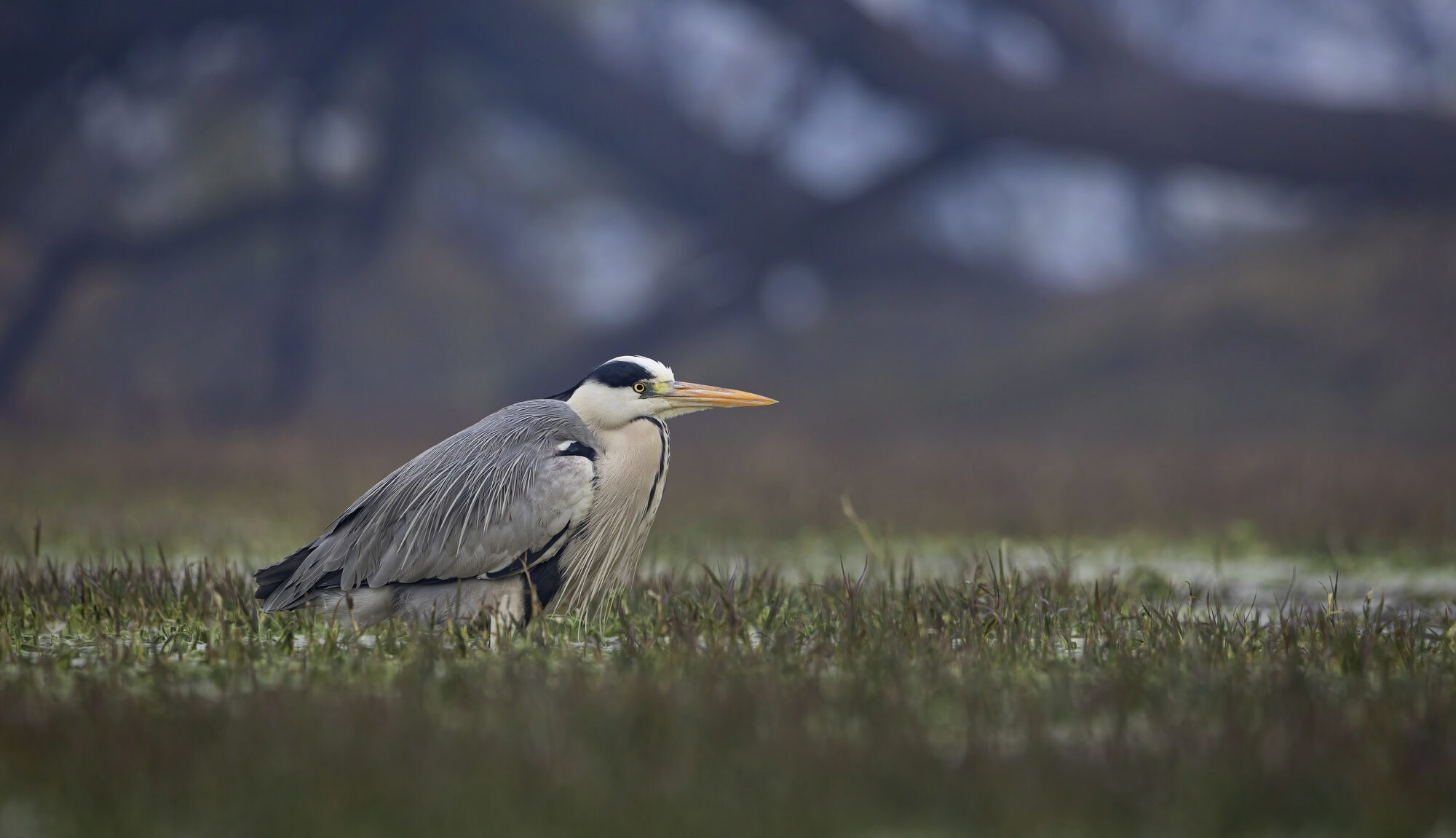
Bharatpur is India’s most iconic bird sanctuary and a UNESCO World Heritage Site. Its wetlands host thousands of migratory waterfowl in winter, including bar-headed geese, painted storks, pelicans, spoonbills, and darters. Raptors like marsh harriers add drama to the skies.
For photographers, the compact geography makes it easy to cover on foot, experiment with low angles, and capture both portraits and flight shots in golden light.
This unique circuit combines the wetlands at Gajoldoba with the Himalayan foothill forests of Latpanchar. Gajoldoba attracts large flocks of migratory ducks and waders, while Latpanchar is famous for rufous-necked hornbills, Himalayan cutias, minivets, and thrushes.
The contrast between wetlands and montane habitats gives photographers an extraordinary range of species in a single expedition.
In winter, the lakes and wetlands of Kashmir become a refuge for migratory ducks and geese arriving from Central Asia. Pochards, mallards, teals, and rare cranes gather in snowy landscapes, creating spectacular frames.
The combination of winter light, reflections on frozen waters, and snow-clad backdrops makes Kashmir one of the most atmospheric birding destinations in India.
Sattal, Shyamkhet, and Ramgarh are a Himalayan paradise for small and colorful birds. Oak and pine forests echo with thrushes, barbets, laughingthrushes, kingfishers, and parakeets.
Photography here is rewarding because of the diversity of perches, natural light through dense canopies, and high activity levels.
Our Sattal Bird Photography Tour offers immersive sessions with mentors to perfect your forest bird photography skills.
Coorg (Karnataka)
Coorg in the Western Ghats is famous for its coffee estates and evergreen forests. It is home to Malabar Trogons, Great Hornbills, flycatchers, and parakeets. Misty mornings, diffused light, and lush green backdrops create painterly frames.
On the Coorg Bird Photography Tour, you will practice both natural history and creative bird compositions in rich habitats.
Ganeshgudi (Karnataka)
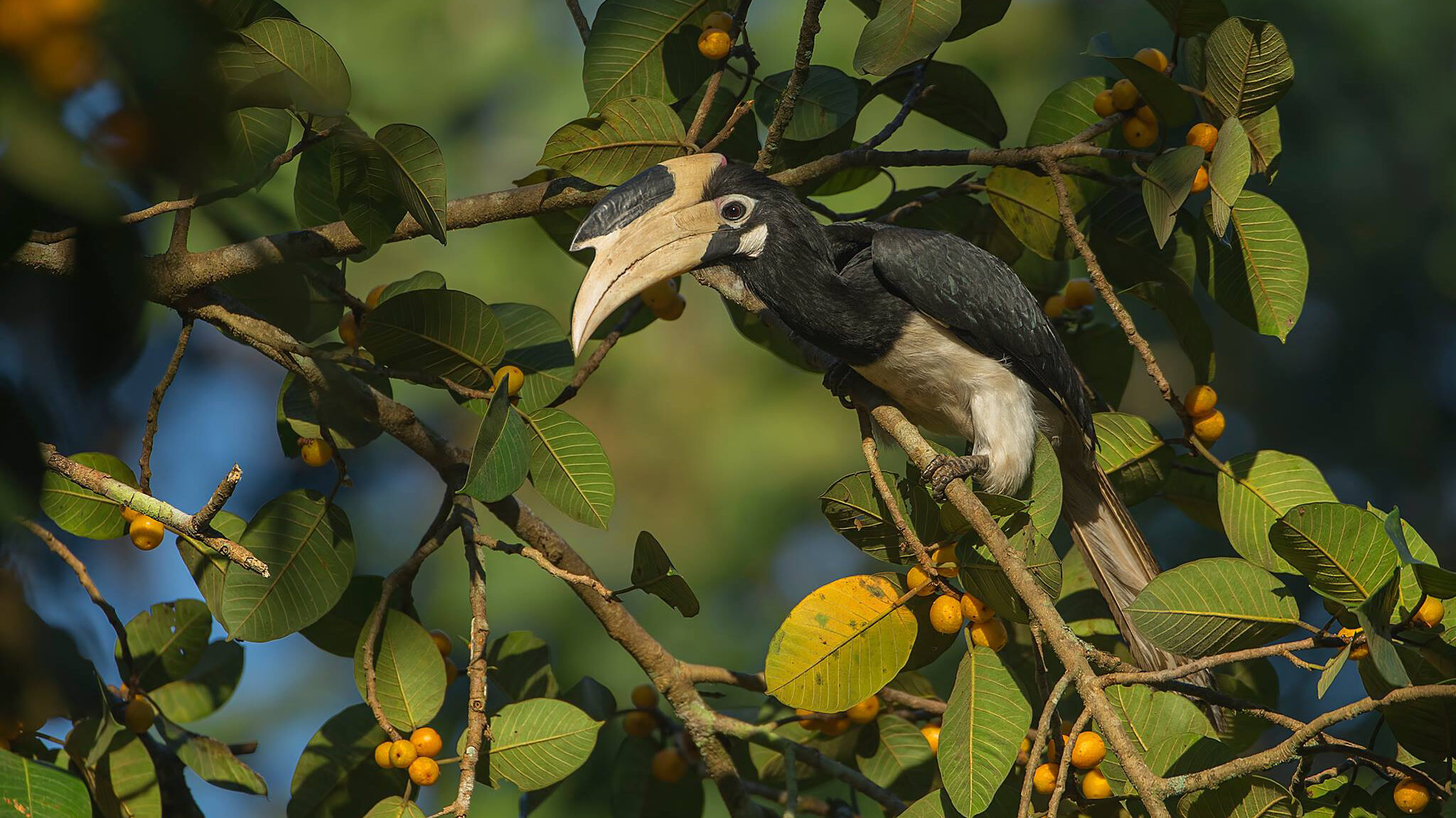
Ganeshgudi is legendary for hide-based bird photography. Natural perches at local forest lodges attract species like Malabar Pied Hornbill, barbets, sunbirds, and jungle mynas, allowing photographers to capture clean, close frames.
For those who want to learn how to use hides effectively and work with composition in controlled settings, this is a must-visit.
Beyond its beaches, Goa is a hidden birding gem. Its estuaries, mangroves, and paddy fields host multiple kingfisher species, waders, raptors, and migratory ducks.
Boat rides through the backwaters give unique low-angle perspectives, while early morning light adds magic to the frames.
Incredible diversity: From Himalayan endemics to coastal migrants, every region has its specialties.
Accessibility: Many sites are close to towns and cities, making logistics easier.
Seasonal variety: Winter migration brings thousands of birds, while monsoon forests awaken with breeding activity.
Mentorship: With DCP Expeditions, each trip combines sightings with structured photography learning in the field.
From the wetlands of Bharatpur to the Himalayan forests of Sattal, from Western Ghats estates in Coorg to mangrove channels in Goa, India offers endless opportunities for bird photographers. Each destination brings new species, new light, and new creative challenges.
Ready to capture the avian wonders of India? Book your spot on upcoming bird photography tours with DCP Expeditions.
India is one of the world’s richest natural treasure troves, home to over 100 national parks and nearly 500 wildlife sanctuaries. From the tiger reserves of central India to the rhino-dotted grasslands of Assam and the mystical mangroves of the Sundarbans, the diversity of ecosystems here is unmatched.
For photographers, these parks are not just about sightings, they’re about capturing stories of survival, beauty, and behavior through the lens. Whether you’re chasing the roar of a tiger, the flight of a stork, or the stillness of a rhino at dawn, the experience is transformative.
Here’s our curated guide to the best national parks in India for wildlife photography in 2025–26, with insights into what makes each unique and how you can explore them with DCP Expeditions.
Image courtesy: Dr Caesar Sengupta
Tadoba–Andhari Tiger Reserve (Maharashtra)
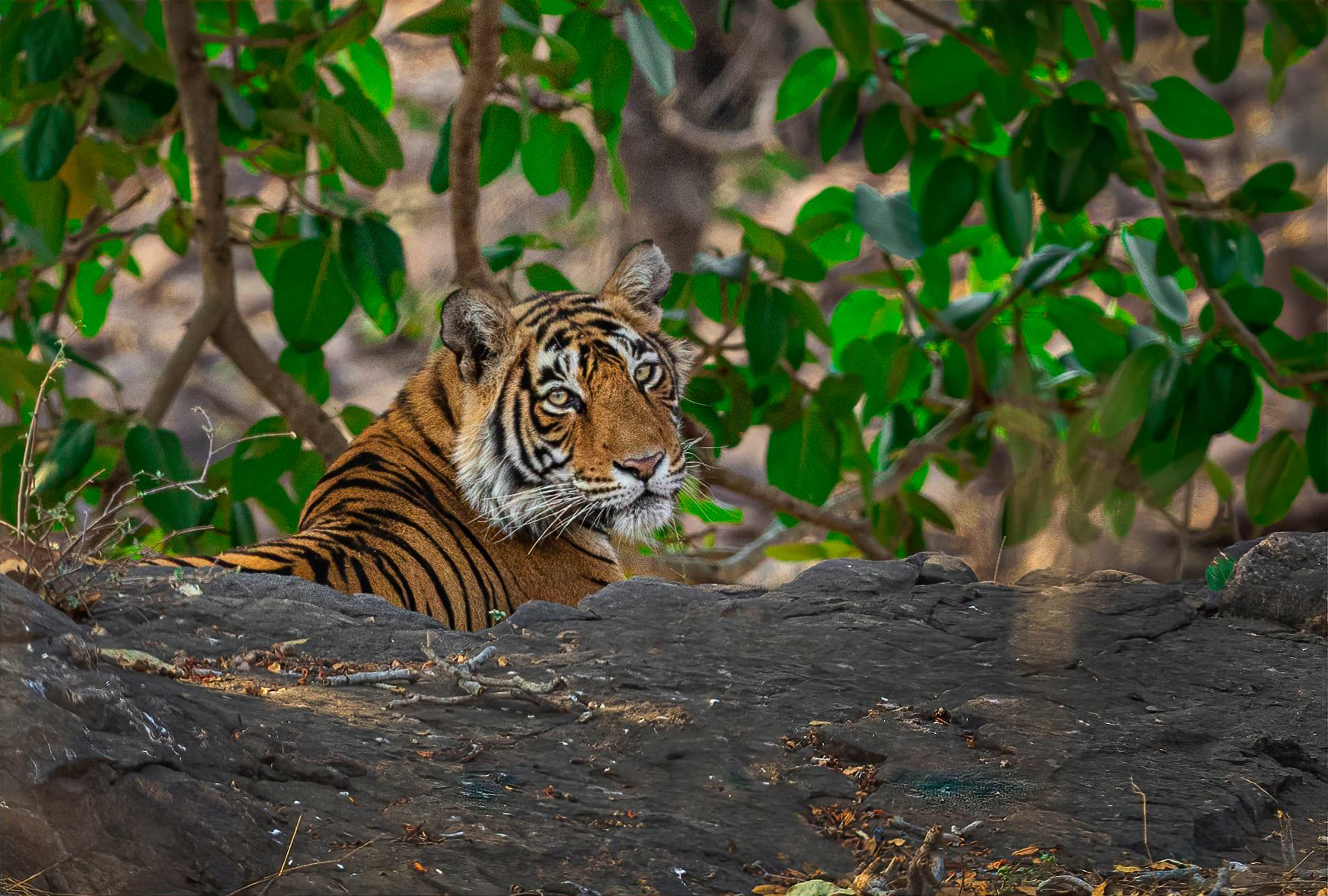
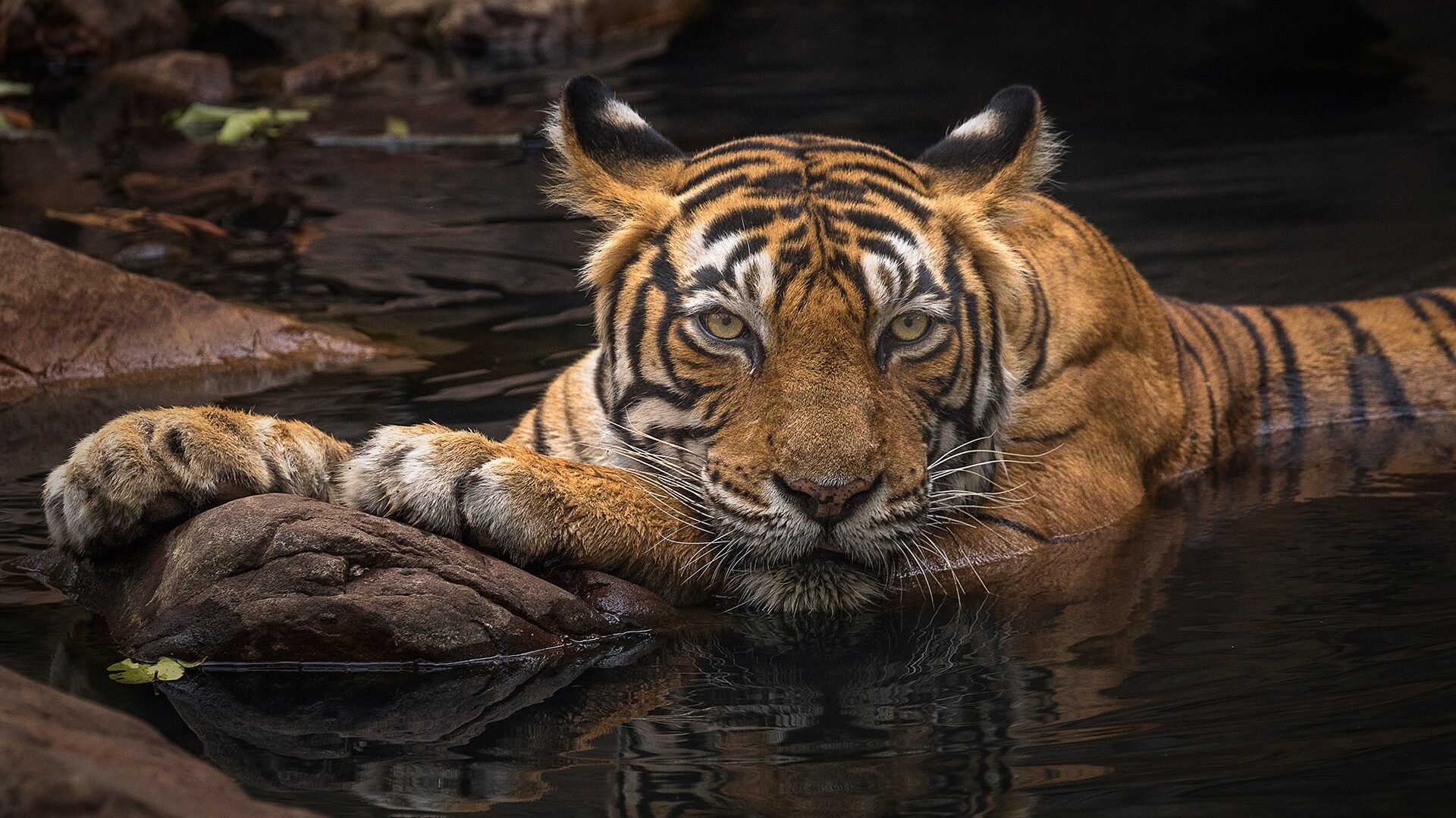
Tadoba is often called the “Land of Tigers” and rightly so. With one of the highest densities of Bengal Tigers in India, this reserve is a dream for big cat photographers. Dense teak and bamboo forests open into meadows, providing perfect light and visibility.
But it’s not just about tigers. Wild dogs (dholes) hunting in packs, leopards resting in trees, and sloth bears foraging for termites add drama to every safari. Bird enthusiasts will also find paradise here, with raptors, rollers, and bee-eaters painting the skies.
On our Tadoba Tiger Photography Tour, you’ll learn how to anticipate animal movement, manage tricky light conditions, and frame compelling wildlife behavior shots.
Image courtesy: Dr Caesar Sengupta
Kaziranga National Park (Assam)
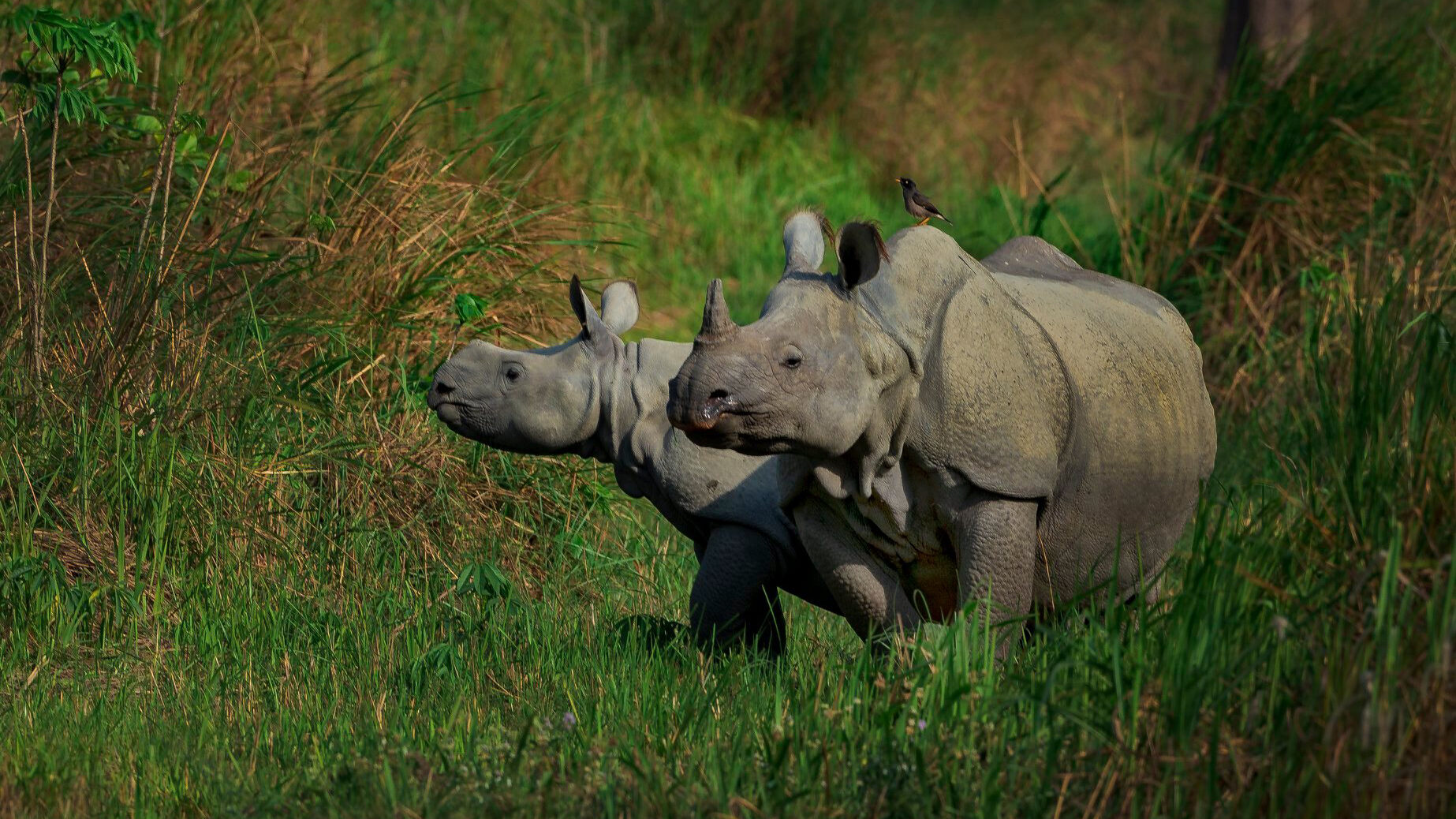
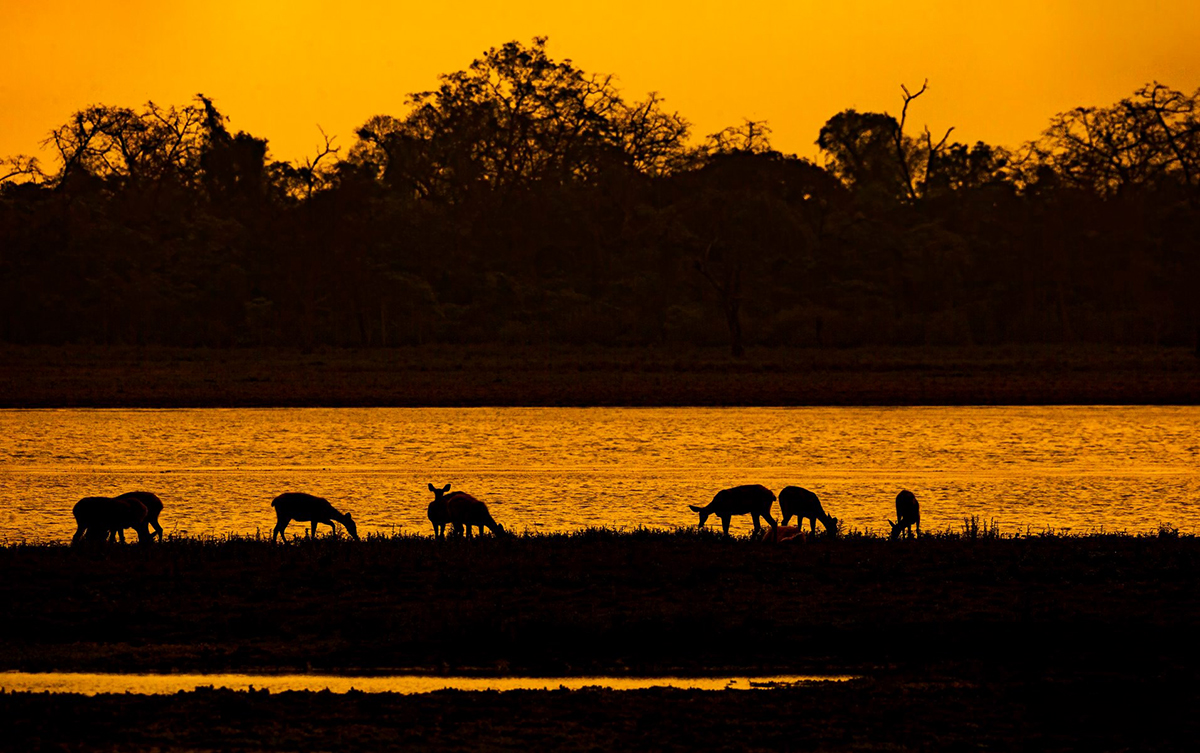
Declared a UNESCO World Heritage Site, Kaziranga is synonymous with the great one-horned rhinoceros. Misty mornings in the tall elephant grass are perfect for silhouettes of rhinos, elephants, and swamp deer.
Photographers are rewarded with unique opportunities: elephants bathing in the Brahmaputra backwaters, migratory geese taking off in flocks, and rhinos grazing with fog-draped forests as backdrops.
Kaziranga is also a birding hotspot, with more than 450 species recorded — including storks, pelicans, and raptors.
Ranthambore is one of the most photogenic parks in India. Here, history and wilderness come together like nowhere else a tiger walking along a ruined fort wall, or a crocodile basking beneath an ancient temple.
This dry deciduous forest is excellent for tiger sightings, but it also shelters leopards, striped hyenas, and a dazzling array of birds. The famous Rajbagh Lake, with its resident tigers and sambar deer, is a photographer’s dream.
Kanha’s lush sal forests, grassy meadows, and rolling streams inspired Kipling’s Jungle Book. Its biodiversity is immense, with tigers, leopards, wild dogs, and gaur being frequent highlights.
But Kanha’s real gem is the barasingha (hardground swamp deer), brought back from the brink of extinction here. Early mornings with herds grazing in misty meadows are unforgettable photographic moments.
Bandhavgarh is a legendary destination for tiger photography, thanks to its high density and open habitats. Dramatic rocky outcrops, bamboo forests, and ancient ruins give it a character unlike any other park.
Apart from tigers, Bandhavgarh is home to leopards, jungle cats, jackals, and a rich prey base of deer. For photographers, the mix of wildlife and history creates powerful storytelling opportunities
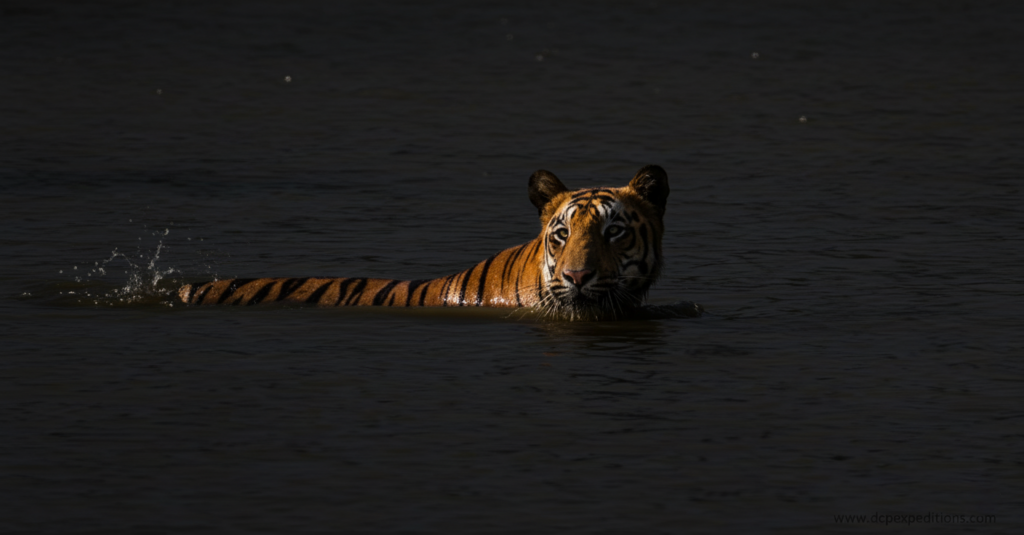
The Sundarbans are a mystical world where land and water merge. Boat safaris take you through narrow mangrove creeks where every ripple hides a story, the stealthy Royal Bengal Tiger, the splash of a saltwater crocodile, or the movement of a fishing cat.
Birdlife here is equally dramatic, with kingfishers, brahminy kites, herons, and egrets thriving in the mangroves. Photographing in low light and dynamic conditions makes Sundarbans both challenging and rewarding.
Bharatpur is Asia’s most celebrated bird sanctuary. Every winter, thousands of migratory birds, bar-headed geese, painted storks, and pelicans arrive here.
The compact wetland environment makes close encounters easy, and walking safaris mean more freedom to experiment with compositions. Birds in flight against golden light are Bharatpur’s signature shots.
While national parks are the backbone of India’s wildlife photography, there are also exceptional birding destinations outside the national park system.
Coorg (Kodagu, Karnataka): Famous for its coffee plantations and Western Ghats forests, Coorg offers species like the Malabar Trogon, hornbills, and flycatchers. Misty mornings and lush estates make it a paradise for avian photography.
Ganeshgudi (Karnataka): Known for hide-based bird photography, Ganeshgudi is legendary for close encounters with Malabar Pied Hornbills, barbets, and sunbirds. Natural perches in forest lodges make it a favorite among birders.
Why These National Parks Stand Out for Photographers
Biodiversity: Each park offers flagship species — tigers in Tadoba, rhinos in Kaziranga, barasingha in Kanha, waterbirds in Bharatpur.
Variety of Ecosystems: From grasslands and wetlands to rainforests and mangroves, the range of habitats offers endless creative opportunities.
Photographic Potential: Golden meadows, misty wetlands, and ruined forts all create distinctive moods.
Mentorship: With DCP Expeditions, every trip is more than a safari — it’s a guided journey of learning and photographic growth.
India’s national parks are not just wildlife habitats, they are living classrooms for photographers. Every visit adds new frames, new skills, and new perspectives.
From tigers in Ranthambore to rhinos in Kaziranga, from mangroves in the Sundarbans to barasinghas in Kanha, each park offers its own story waiting to be told. And beyond the national parks, birding hotspots like Coorg and Ganeshgudi enrich the journey even further.
Ready to explore these treasures with your camera? Book your place on our upcoming tours with DCP Expeditions and transform your passion into unforgettable images.
India is one of the most rewarding destinations on Earth for wildlife photographers. With over 100 national parks, 500 wildlife sanctuaries, and an astonishing diversity of ecosystems, from Himalayan peaks to mangrove swamps, the opportunities to capture nature’s drama are endless.
If you’re searching for wildlife photography tours in India, this guide highlights the top experiences for 2025–26, curated by DCP Expeditions. Each tour is led by professional mentors and designed to offer the perfect mix of sightings, learning, and community.
Image courtesy: Ashish Chalapuram
Wildlife Photography Tours
Tadoba Tiger Photography Tour
Tadoba-Andhari Tiger Reserve in Maharashtra is among India’s most famous tiger landscapes. Known for consistent sightings, it offers close encounters with tigers, leopards, and wild dogs. Mornings are filled with mist and golden light, making every safari visually stunning. Our Tadoba Tiger Photography Tour is crafted to help you master the art of photographing big cats in their natural kingdom.
Ranthambore is iconic for its ruined fort walls, serene lakes, and striking tiger landscapes. Apart from tigers, this park is a haven for leopards, marsh crocodiles, jackals, and a variety of raptors. Each safari is a chance to combine wildlife with dramatic backgrounds. On our Ranthambore Wildlife Photography Expedition, mentors guide you to create timeless frames that blend wildlife and history.
Bandhavgarh Wildlife Photo Tour
Bandhavgarh is known for its high tiger density and rich history, with fort ruins dating back centuries. Safaris here often reward photographers with intimate tiger moments, leopards in bamboo thickets, and herds of sambar deer. The diverse terrain provides endless opportunities for different compositions. Our Bandhavgarh Wildlife Photo Tour ensures participants learn to capture storytelling wildlife frames.
Kanha Wildlife Photography Expedition
Kanha’s rolling meadows and sal forests create cinematic frames for wildlife photography. It is the last refuge of the endangered barasingha and a hotspot for tigers, leopards, and gaur. Misty winter mornings here are a photographer’s dream. On our Kanha Wildlife Photography Expedition, you’ll discover how to use light, behavior, and habitat to create impactful images.
Kaziranga Rhino & Wildlife Photography Tour
Kaziranga in Assam is the land of the one-horned rhinoceros. The park’s tall grasslands, riverine habitats, and foggy mornings provide perfect backdrops for rhinos, elephants, swamp deer, and migratory birds. Raptors circle above, adding drama to every frame. Our Kaziranga Rhino & Wildlife Photography Tour is designed to help you photograph unique megafauna beyond tigers.
Sundarban Mangrove Wildlife Photo Tour
The Sundarbans are mystical and unlike any other ecosystem in India. Boat safaris take you through mangrove channels, where the elusive swamp tiger, crocodiles, and fishing cats thrive. Kingfishers, brahminy kites, and herons add color to this watery wilderness. Explore our Sundarban Wildlife Photography Expedition for a one-of-a-kind experience that merges adventure with photography.
Image courtesy: Kane Lew
Bird Photography Tours
Bharatpur (Keoladeo) Bird Photography Tour
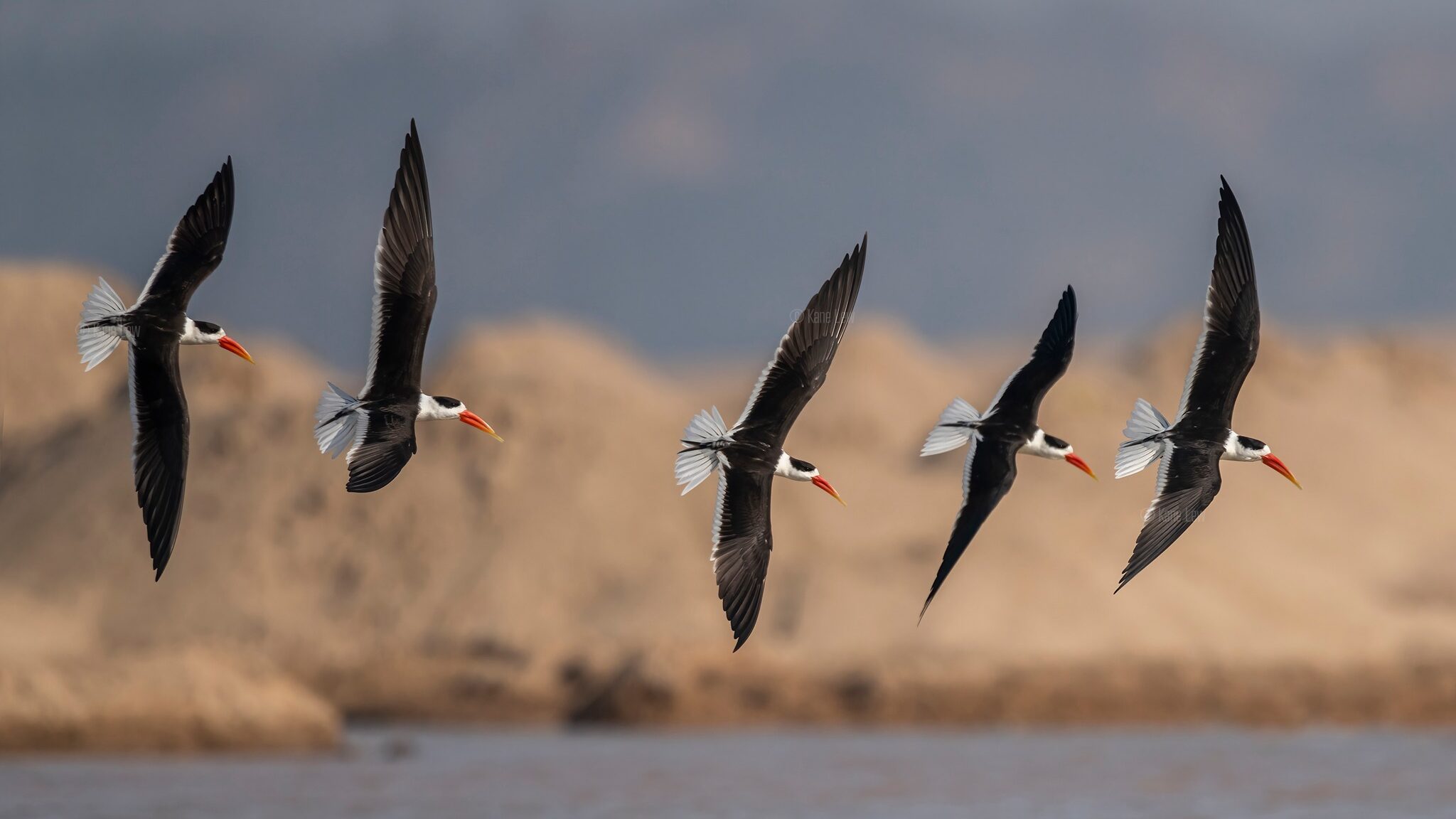
Bharatpur is a global birding hotspot, especially in winter. Migratory ducks, storks, pelicans, and raptors gather in large numbers, making it a paradise for photographers. Its compact wetlands allow close encounters and easy walking safaris. Our Bharatpur Bird Photography Tour offers perfect opportunities for mastering bird-in-flight and behavior shots.
Gajoldoba & Latpanchar Birding Expedition
This North Bengal circuit combines wetlands and montane forests in a single trip. Gajoldoba hosts large flocks of migratory ducks and waders, while Latpanchar is famous for Himalayan cutia, hornbills, and minivets. Together, they offer unmatched variety for bird photographers. The Gajoldoba & Latpanchar Birding Expedition balances waterbird photography with colorful montane species.
Kashmir Winter Bird Photography Tour
In winter, Kashmir’s frozen lakes and snowy valleys transform into a refuge for migratory waterfowl. Species like mallards, pochards, and geese gather against pristine landscapes. Snowy conditions create rare storytelling opportunities. Our Kashmir Bird Photography Expedition focuses on helping you capture these birds in challenging light and scenic backdrops.
Sattal Bird Photography Tour
Sattal, in Uttarakhand, is a hidden gem for Himalayan birds. Its oak and pine forests around mountain lakes are alive with thrushes, barbets, kingfishers, and parakeets. The mix of habitats ensures variety on every walk. On our Sattal Bird Photography Tour, mentors guide participants to frame small birds in natural perches with pleasing backgrounds.
Coorg Bird Photography Tour
Coorg’s coffee plantations and evergreen forests harbor hornbills, Malabar trogons, and vibrant flycatchers. Misty mornings and filtered light create dramatic scenes for bird photography. The diversity of Western Ghats birds is unmatched. Our Coorg Bird Photography Tour offers immersive opportunities to document birdlife in lush habitats.
Ganeshgudi Bird Photography Tour
Ganeshgudi in Karnataka is world-famous for hide-based bird photography. Malabar pied hornbills, jungle mynas, and a variety of barbets frequent these hides. Natural perches and controlled setups make it easier to learn bird photography techniques. Our Ganeshgudi Bird Photography Tour is a must for anyone wanting close, clean frames of rare birds.
Goa Bird Photography Tour
Goa’s wetlands, mangroves, and paddy fields are rich in birdlife. Multiple kingfisher species, waders, and raptors make it a vibrant birding destination beyond its beaches. Early morning boat rides add an adventurous edge. On our Goa Bird Photography Tour, you’ll capture the colorful avian life of coastal India.
Image courtesy: Dr Caesar Sengupta
Macro Photography Tours
Amboli Macro Photography Expedition
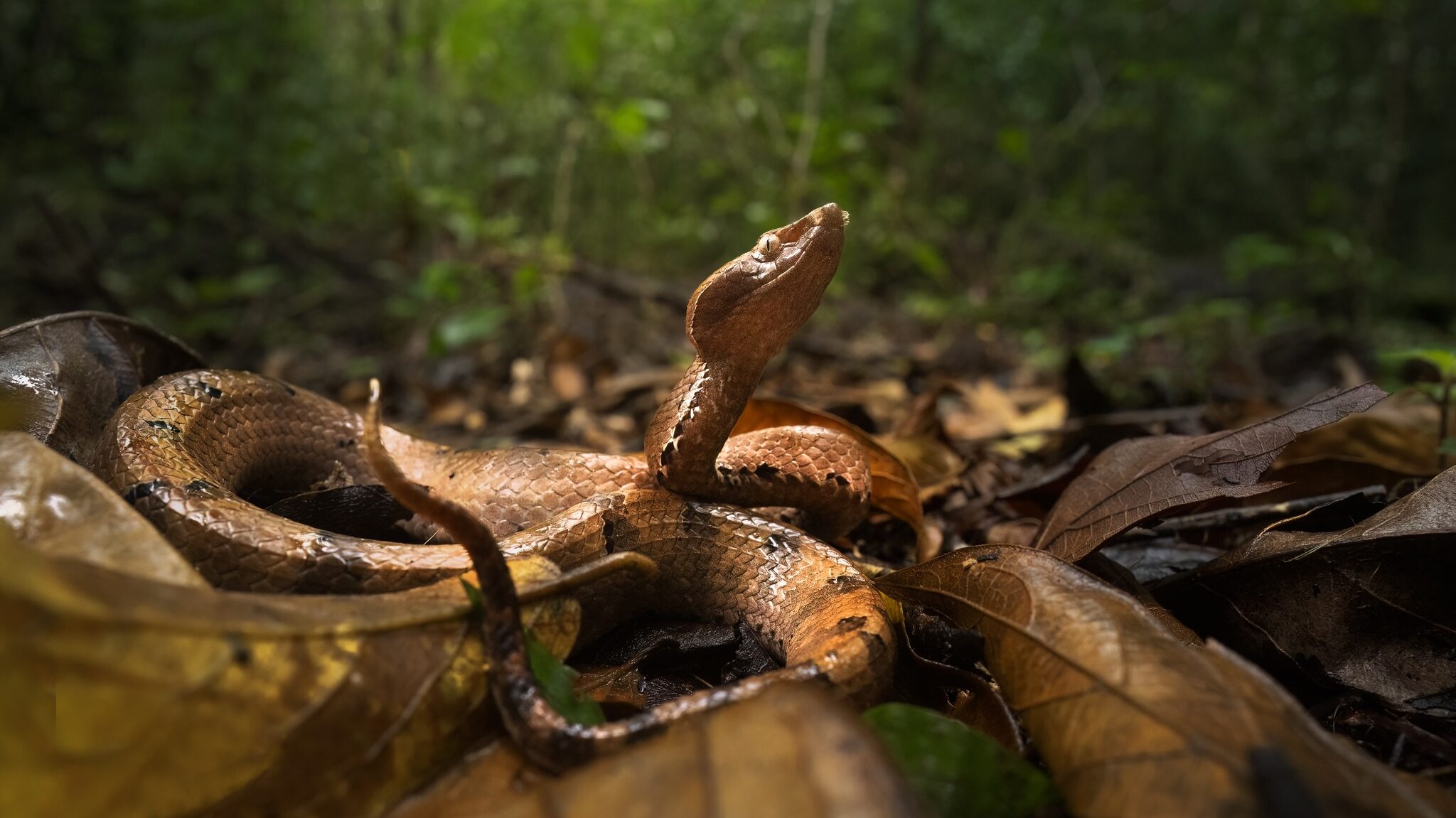
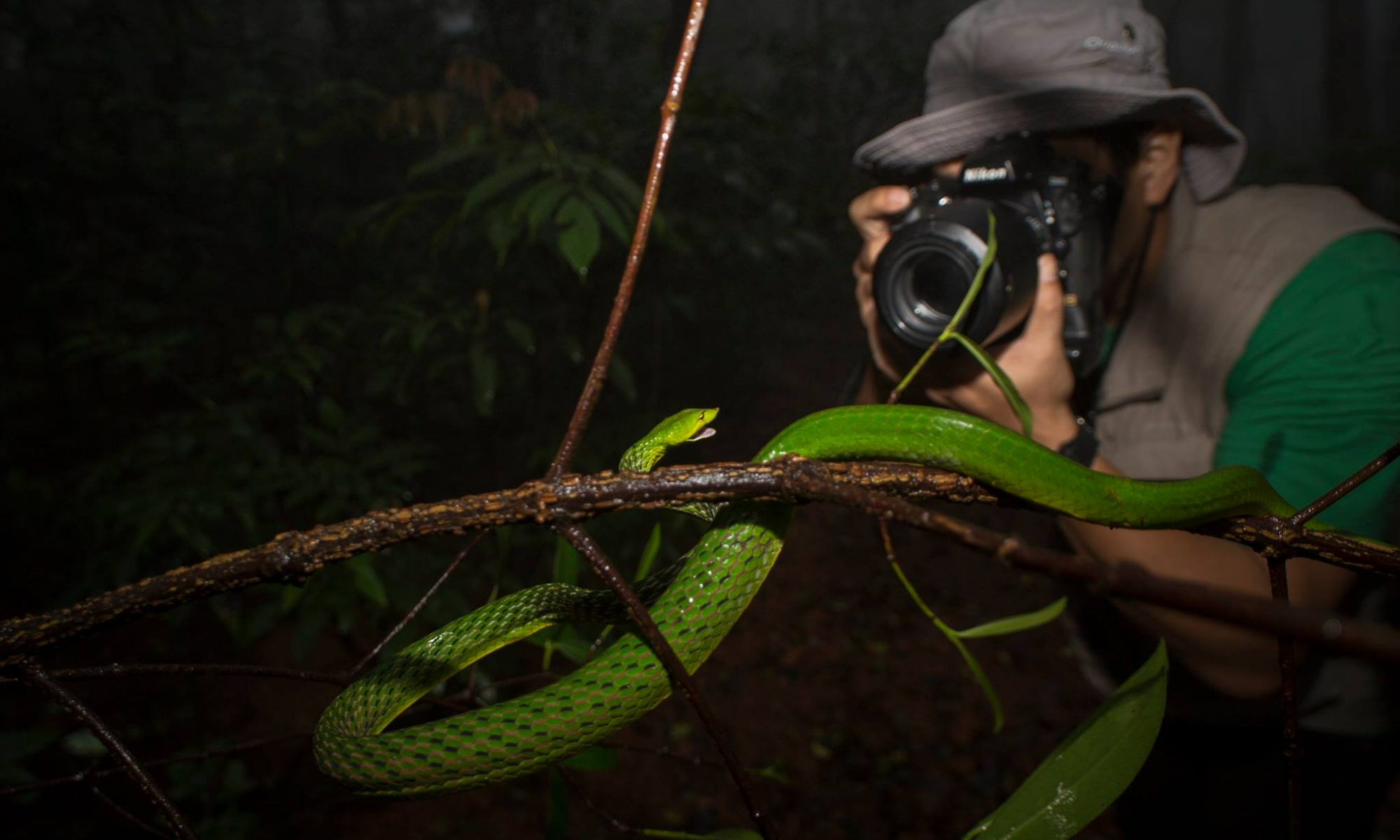
When the monsoon rains arrive, Amboli’s forests awaken with frogs, snakes, and insects. Pit vipers, gliding frogs, and rare caecilians become active at night. Every step in the rainforest can reveal a surprise subject. Our Amboli Macro Photography Expedition helps you experiment with lighting, diffusion, and wide-angle macro.
Coorg Macro Photography Tour
Coorg is a hotspot for Western Ghats herpetofauna. Malabar tree toads, bush frogs, and shieldtail snakes can be photographed here. Thick rainforests create moody green backgrounds. The Coorg Macro Photography Tour is tailored to give you practical field training in challenging rainforest conditions.
Munnar Macro Photography Tour
Munnar’s shola forests and tea-covered hills are home to fascinating macro subjects. Rare frogs, orchids, lizards, and insects thrive here. The mist and mossy landscapes add a unique texture to macro frames. On our Munnar Macro Photography Tour, you’ll explore Nilgiri biodiversity in depth.
Wayanad Macro Photography Tour
Wayanad’s forests are biodiversity treasure troves. Night trails reveal snakes, geckos, and insects, while the daytime offers vibrant frogs and butterflies. Dense greenery and monsoon rains make for dramatic photographs. Join our Wayanad Macro Photography Tour to experience the magic of Kerala’s rainforests.
Arunachal Macro Photography Tour
Arunachal Pradesh is one of the least explored macro destinations in India. Its pristine forests harbor unique reptiles, amphibians, and insects. Misty Himalayan conditions add atmosphere to your frames. The Arunachal Macro Photography Tour is a true expedition for adventurous macro photographers.
Goa Western Ghats Macro Tour
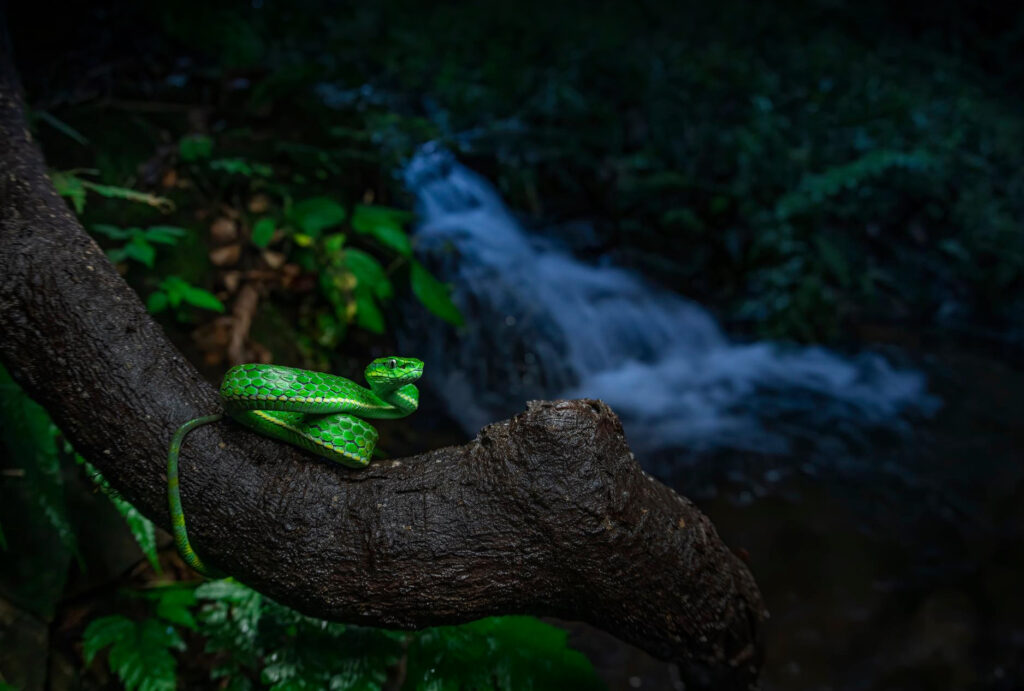
Beyond its beaches, Goa’s Western Ghats are alive with nocturnal creatures during monsoons. Malabar pit vipers, vine snakes, and endemic frogs are frequent highlights. The rainforest canopy provides endless creative challenges. Our Goa Western Ghats Macro Tou is designed to sharpen your rainforest macro techniques.
Kashmir’s alpine lakes, snow-capped mountains, and valleys create dreamlike frames. Wildlife like hangul deer and migratory birds enhance its photographic appeal. Each season offers different moods, from spring blossoms to snowy winters. The Kashmir Landscape & Wildlife Photography Expedition lets you explore both culture and nature through your lens.
Ladakh Landscape & Wildlife Masterclass
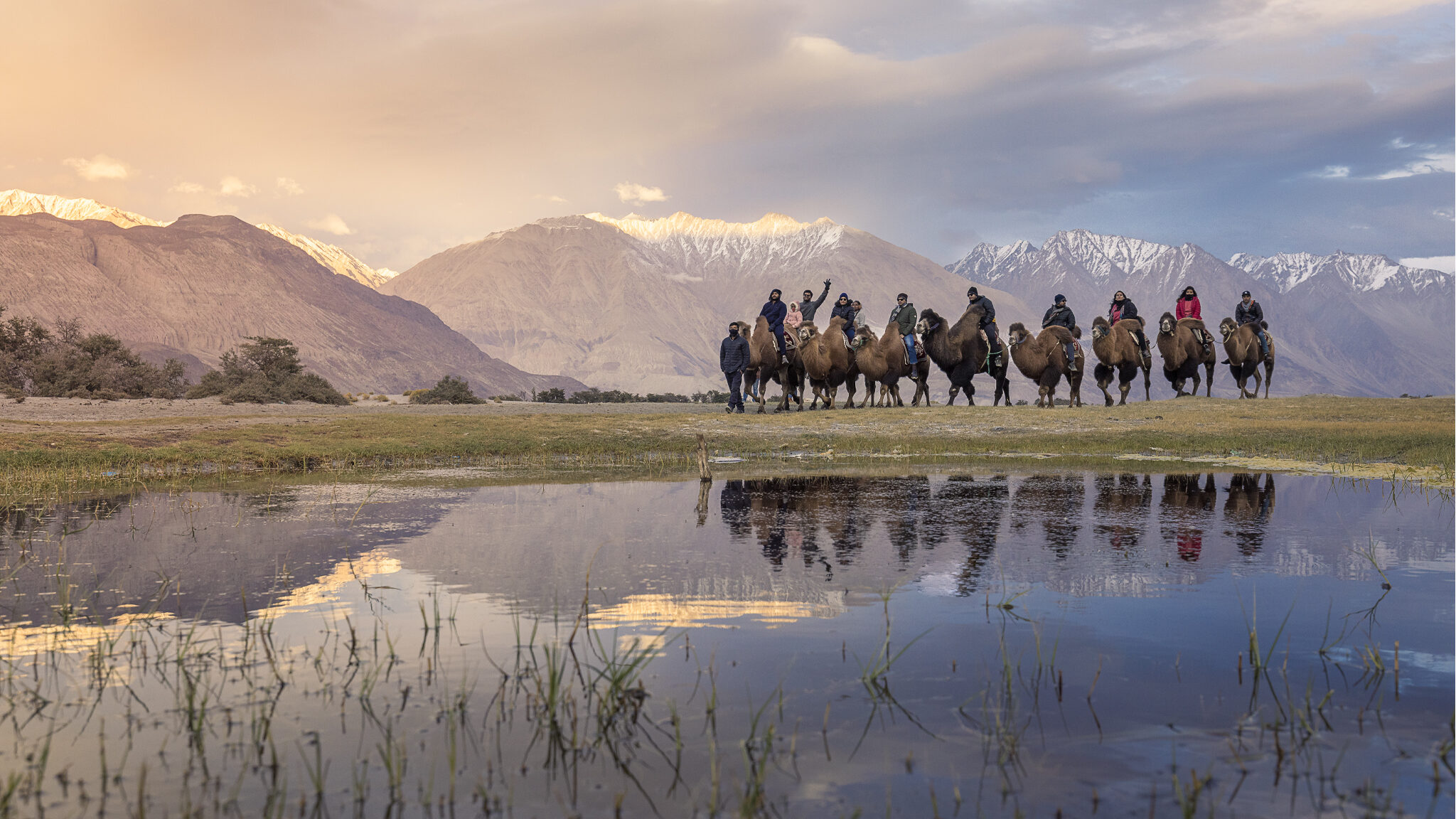
Ladakh’s high-altitude desert is a land of monasteries, prayer flags, turquoise rivers, and wide open skies. Wildlife like kiangs and marmots add surprises to the stark terrain. Clear light and dramatic mountains make Ladakh perfect for landscape compositions. On our Ladakh Landscape & Wildlife Photography Masterclass, you’ll learn to balance light, scale, and storytelling.
Sahyadris Landscape Photography Tour
The Sahyadris glow with waterfalls, green cliffs, and mist during the monsoon season. Dramatic clouds roll in, creating atmospheric shots. Small temples and villages add human elements to natural frames. Our Sahyadris Landscape Photography Tour is ideal for photographers chasing monsoon moods.
Bhandardara Landscape Photography Tour
Close to Mumbai, Bhandardara offers rolling hills, lakes, and valleys. Early morning fog and golden-hour reflections make it a landscape paradise. With easy accessibility, it’s perfect for beginners and professionals alike. The Bhandardara Landscape Photography Tour focuses on honing composition skills in changing light.
Meghalaya Landscape Photography Tour
Meghalaya is known as the “abode of clouds.” Its living root bridges, waterfalls, and misty valleys create frames like nowhere else. The monsoon season transforms this state into a green wonderland. On our Meghalaya Landscape Photography Tour, mentors guide you to capture landscapes rich in culture and nature.
Why Choose DCP Expeditions
Expert Mentorship: Tours led by award-winning photographers and naturalists.
Photographer-Friendly Logistics: Small groups, four photographers per safari vehicle, optimized itineraries.
Learning in the Field: Hands-on mentoring on camera techniques, composition, and lighting.
Community Recognition: Participant images are often featured in DCP social media handles, annual exhibitions, festivals, publications and awards.
From tiger reserves in central India to Himalayan birding havens, from Western Ghats macro treasures to the dramatic landscapes of Kashmir and Meghalaya — these wildlife photography tours in India for 2025–26 cover every genre of nature photography. Each tour is designed to help you improve your skills while creating lifelong memories.
Ready to join your dream expedition? Explore all upcoming tours at DCP Expeditions.
Author: Team DCP Expeditions
There was a time when art thrived on stillness. A painting on a wall. A photograph you could sit with for hours. A cinematic moment where silence spoke louder than words. Those moments invited us to pause, to reflect, and to feel deeply.
Today, the world has changed. Stories often arrive in fragments, snippets of video, reels that last no longer than a breath, captions that hold entire universes in a single line. The natural rhythm of storytelling has been altered by our constant scrolling. And yet, in this evolution, there is neither loss nor defeat, only transformation. We are not discarding the old; we are reshaping it to live in new forms.
Storytelling Hasn’t Changed, Only Its Skin has
At its heart, storytelling is eternal. We still tell stories to share experiences, to build emotional bridges with others, and to bring the world’s truths into the light. That essence has not changed. What has changed is how stories reach us. Attention spans have shortened, and people often choose to swipe instead of settling into a long narrative arc. But this is not the end of storytelling, it is simply a new invitation.
The same depth can still be conveyed in a photograph, a reel, or even a caption. It asks us, as creators, to become sharper, more intentional, and more emotionally honest in our expression. It is harder, yes. But perhaps it is also more beautiful. To distill the essence of a story into a few seconds is to find its purest form. And when it works, it can touch hearts just as deeply as the stillness of the past once did.
Preserving Stillness in a Scrolling World
Stillness is not gone, it only hides, waiting for us to discover it again. Even within a feed full of noise, one honest frame can make a person pause. One second of genuine emotion can break the rhythm of endless swipes. When an image is genuine, powerful, or new, people will pause. When we share experiences that are rare and unseen, people will linger. When we speak of issues that matter to our shared humanity, people will give us their time.
If we stay true to these foundations, stillness can live even in motion. The pause is still possible. It may be brief, but it is profound.
Platforms, Algorithms, and the Dance of Adaptation
Each platform carries its own rhythm. YouTube encourages immersion, it allows viewers to lean back, learn, and stay connected over time. Instagram, on the other hand, thrives on immediacy, asking us to show up consistently with punchy, striking visuals. It is true that algorithms shape much of our work. Sometimes it feels like creators serve platforms rather than audiences. But perhaps this is not a battle either. The wisest storytellers adapt, finding balance—making space for depth on long-form platforms while keeping the spark alive on short-form ones.
In truth, both audiences and algorithms coexist. To serve one does not mean to abandon the other. By moving gently between the two, storytellers extend their reach while preserving their voice.
Can Short Form Carry the Soul of Storytelling?
Yes, in its own way. Longer videos and even films are already unfolding on platforms like Instagram and TikTok. Narratives can be broken into sequences, allowing stories to evolve one swipe at a time. Even cinema is experimenting, some films now debut directly on digital platforms in short bursts.
Will the immersive magic of a theatre be lost? Perhaps. But must we resist? Not necessarily. Each form offers something unique. The reel cannot replace the film, and the film cannot replace the reel. They are not competitors—they are companions. One gives us depth, the other gives us immediacy. Together, they expand the reach of storytelling.
The Rise of Phone Filmmaking: The Raw and the Real
Once, cinematic perfection was the ultimate standard. Today, audiences embrace a different truth—the raw, handheld intimacy of phone-shot content. The shaky frame, the imperfect light, the closeness to real life, it builds relatability. People often whisper to themselves, “I could have filmed this,” and in that whisper lies trust.
But audiences are not abandoning quality. They live with two appetites: the grandeur of IMAX screens and the honesty of phone reels. Both coexist, and both are celebrated. The rise of phone filmmaking has not lowered expectations, it has widened them. Storytelling now thrives both in the theatre hall and in the palm of a hand.
The Gentle Art of Adapting
We may miss the stillness. We may long for the days when audiences lingered over a photograph for hours. But we must also accept the present with humility. The world has changed, and in that change lies new opportunity. By re-editing old works for reels, by offering depth where platforms allow and immediacy where platforms demand, we keep our stories alive. More importantly, we keep our connection with people alive.
It is not about resisting the swipe. It is about making the swipe stop, if only for a moment, because the story is too powerful to ignore.
Closing Thought
Storytelling, in every era, has always been about connection. The canvas may have changed, from cave walls to cinema screens, from books to reels, but the heartbeat is the same. We tell stories to feel, to connect, to remember, and to be remembered.
So let us not fear the swipe. Let us walk with it, learn from it, and use it. Stillness can live even in motion. Depth can live even in seconds. And the soul of storytelling, our most ancient gift, remains unshaken.
Author: Dr Caesar Sengupta
Artificial Intelligence (AI) has begun to reshape many aspects of our lives, and photography is no exception. For some, this shift feels exciting and full of promise; for others, it raises questions about the future of a craft so deeply tied to human intuition and storytelling. Yet, whether we welcome it with enthusiasm or approach it with caution, AI is becoming part of the photographic journey… changing not only how we capture images but also how we process, plan, and share them.
Will AI Replace Photographers?
The question lingers in many conversations: will AI eventually replace photographers? History gives us some perspective here. Every major innovation, whether the arrival of electricity, the invention of film, or the rise of digital cameras, was first met with skepticism. Each appeared to threaten established practices, and yet, in time, each became a tool that expanded the boundaries of creativity rather than diminished them.
AI seems to be following a similar path. Instead of eliminating the role of the photographer, it is altering the way work is approached. A photographer familiar with AI-assisted workflows may process hundreds of images in the time another processes only a handful. In filmmaking, a small team armed with AI tools can produce visual effects that once required entire studios. The change is not about machines replacing people, but about how humans and AI can collaborate to unlock new levels of efficiency and imagination.
Lessons From History
When photography itself was invented in the 19th century, many painters were shaken. A machine could suddenly capture reality in seconds, something they had spent years perfecting with brush and canvas. The French painter Paul Delaroche is even said to have remarked, “From today, painting is dead,” upon seeing a daguerreotype for the first time.
But painting did not die. Instead, it evolved. Artists began moving away from strict realism and explored impressionism, expressionism, abstraction, forms of art that no camera could replicate. Photography pushed painting to discover new voices, and in doing so, both art forms thrived.
Perhaps AI is offering photography a similar challenge. Rather than replacing it, AI may simply nudge us toward fresh directions, while also reminding us what makes authentic, human-made imagery so powerful.
The Rise of Intelligent Cameras
Modern cameras now carry extreme levels of artificial intelligence that would have been unimaginable just a decade ago. Autofocus systems detect eyes, faces, animals in motion and can also perform predictive movement based focus functions with extraordinary accuracy. One can register human faces and the camera can accurately focus on registered faces from a crowd of hundreds. Scene recognition adjusts exposure for landscapes, portraits, or nightscapes instantly. Some models even analyze bursts of images and suggest the sharpest frame and can automatically cull images that are not the bests. There are features available now for in camera upscaling, noise reduction, RAW processing, resizing and so much more.
For photographers in the field, whether documenting wildlife, travel, or fast-moving events, these features are more than conveniences. They allow us to focus on the essence of the craft: anticipating moments, framing stories, and preserving atmosphere, while the camera quietly handles much of the technical precision.
AI in Post-Processing
The editing desk, once a place of painstaking repetition, has also been transformed by AI. Tools that can automatically mask skies, isolate subjects, or reduce noise have streamlined processes that used to consume hours. Intelligent upscaling preserves detail even as images are enlarged, while generative tools offer ways to repair or reinterpret photographs that might otherwise have been discarded.
Of course, the degree to which one leans into these tools remains personal. Some photographers may use AI sparingly, valuing subtle enhancements. Others may embrace its more creative capabilities, pushing into new visual territory. Either way, AI is less about dictating a style and more about broadening the palette from which photographers can choose.
Where AI Finds Its Place, and Its Limits
There are certainly areas where AI-generated imagery is beginning to take root. Commercial photography, stock catalogs, and certain advertising campaigns increasingly turn to AI because it is faster and less costly.
But in genres where authenticity and lived experience are essential – wildlife, travel, documentary, conservation, the story is different. The quiet anticipation of a sunrise, the rush of wings as birds lift from a lake, the chance encounter with an animal in its natural habitat: these are experiences AI cannot recreate. Equally important is trust. In spaces where truth matters, audiences seek assurance that what they see is real.
This may well shape the evolving role of photographers. Some will step into the position of creative directors, focusing on vision rather than execution. Others may blend real images with AI enhancements to create hybrid art. And many will find value in being guardians of authenticity, upholding the credibility of photography in a time when synthetic images are increasingly common.
AI in the World of Photography Tours
For those who love exploring the outdoors with a camera in hand, photography tours have always been about more than just pictures. They are journeys into landscapes, ecosystems, and cultures, guided by patience, curiosity, and a shared love of learning. AI is beginning to weave itself into this world, not as a replacement for the experience, but as a quiet companion that makes the journey smoother.
Planning, for instance, has changed dramatically. AI-powered tools can now design itineraries tailored specifically for photographers, predicting golden hours, moon phases, and even star alignments for astrophotography. Weather forecasting has become more precise, helping groups anticipate conditions and maximize their time in the field. What once required multiple recce trips can now be prepared with remarkable accuracy before anyone even leaves home.
In the field, AI extends this support. Autofocus systems track the eyes of a bird in flight or the movement of a running animal with stunning precision, while in-camera processing allows quick RAW conversions and edits that can be shared instantly. Identification apps such as Merlin Bird ID or iNaturalist help participants recognize the species they are photographing, whether it’s a rare bird perched on a branch, an orchid deep in the forest, or an insect discovered during a macro walk. These features not only enrich the experience but also turn every expedition into a classroom where technology and nature meet.
Back at camp or once the day’s shooting is over, AI also eases the process of storytelling. Tools now help design photo carousels, generate engaging captions, or prepare social media posts that participants can share with their own communities. For those joining DCP Expeditions Tours, this means returning home not only with extraordinary images but also with ready-to-share stories that capture the essence of the journey.
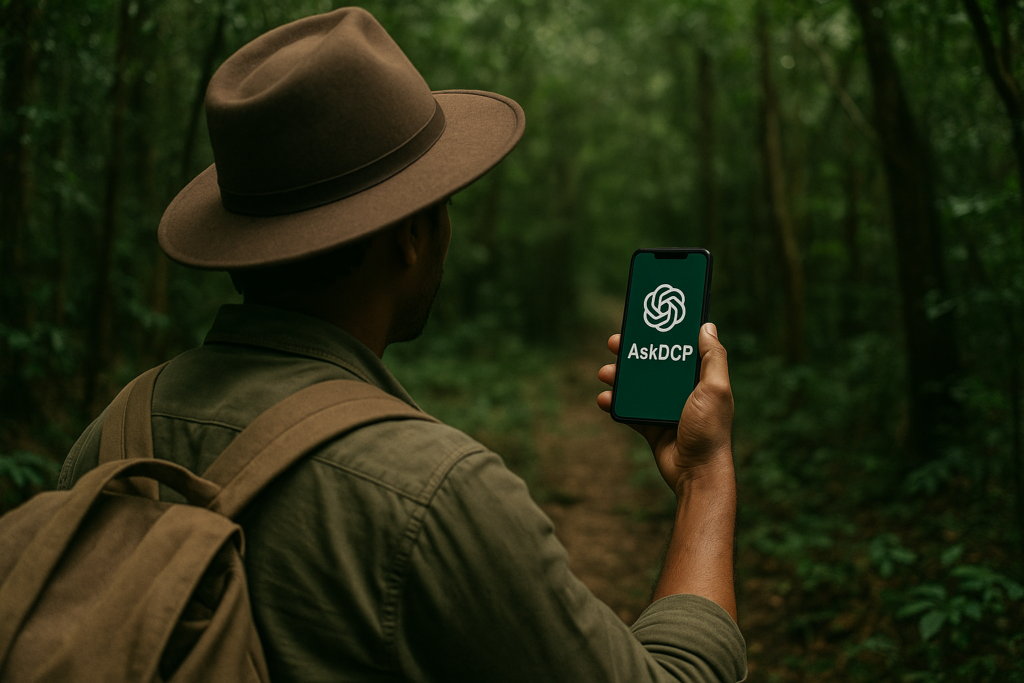
Adding to this spirit of innovation, DCP Expeditions has launched AskDCP, its official AI-assisted travel guide designed exclusively for clients. This platform allows participants to discover upcoming workshops and expeditions instantly, stay updated on events and announcements, get quick, reliable answers 24/7, no waiting, no guesswork and also learn smarter with a blend of AI efficiency and expert field knowledge
AskDCP is not just another chatbot. It has been built as a personal travel mentor, designed to make every journey inspiring, responsible, and unforgettable. For DCP’s community of photographers, it represents the perfect balance between cutting-edge technology and the wisdom of years spent in the field.
Of course, AI cannot replace the human side of these tours, the camaraderie among participants, the insights of mentors, or the thrill of witnessing nature unfold in real time. What it can do is quietly enhance the experience, ensuring that the focus remains on creativity, exploration, and connection. At DCP Expeditions, the role of AI is not to overshadow the adventure but to complement it, making each tour more rewarding while staying true to the heart of photography.
Looking Ahead
Perhaps the most meaningful role of AI in photography is that it asks us to reflect on what truly defines our craft. AI can bring speed, precision, and convenience, but it cannot replace vision, emotion, or the human instinct to tell stories.
Some photographers will embrace AI wholeheartedly, others will prefer a lighter touch. Both paths have value. What matters most is that creativity continues to evolve, shaped by the choices we make and the perspectives we bring.
Final Thoughts
AI is not an ending for photography, it is a continuation, a new chapter. While some areas may shift toward synthetic imagery, the soul of photography, the human presence, the experience of being there, the act of seeing, remains unchanged.
At its heart, photography has always been about capturing the world as we perceive it, about translating feeling into image. AI may walk beside us, offering new possibilities, but the stories, the emotions, and the authenticity will always be ours to tell.
And as platforms like AskDCP show, the future of photography tours lies in blending technology with tradition, making journeys not just efficient but inspiring, responsible, and unforgettable.
Author – Dr Caesar Sengupta, Founder DCP Expeditions
Macro photography is an exhilarating yet demanding genre of wildlife photography that pushes photographers to their limits. Venturing into the heart of a rainforest, often during the monsoon season, photographers must contend with a multitude of challenges that test their physical endurance, technical skills, and creative vision.
Rains and harsh weather conditions:
Macro photographers often find themselves working in rainy weather, high humidity, and unpredictable weather patterns, making it essential to protect their equipment and themselves from the elements.
No ambient light:
Shooting at night or in dense foliage means that photographers must rely on artificial light sources, such as flash or torches, to illuminate their subjects.
Navigating challenging terrains:
Macro photographers often need to walk through rainforests, traverse muddy trails, and navigate uneven terrain, requiring a good level of physical fitness and agility.
Physical flexibility:
To get up close and personal with tiny subjects, photographers may need to crawl, stoop, or lie down in uncomfortable positions, demanding flexibility and patience.
Insects, leeches:
Rainforests are home to a multitude of biting insects, spiders, leeches, and other invertebrates that can pose a threat to photographers’ health and safety.
Reptiles and other wildlife:
Photographers may encounter venomous snakes, spiders, and other wildlife that require caution and respect.
When photographing reptiles, it’s crucial to exercise extreme caution. If you’re new to reptile photography, we strongly advise against approaching these animals without the guidance of an experienced expert who has studied reptilian behavior. In India, four venomous snake species are responsible for most snakebite-related deaths. If you are not knowledgable about how to differentiate a non venomous from a venoumous snake, to ensure your safety, consider every snake venomous and take necessary precautions.
Our team of experts has extensive experience studying reptile behavior, allowing us to provide a safe environment for photography. With their guidance, you’ll have the opportunity to capture stunning images of reptiles while minimizing the risk of accidents.
Despite the challenges, macro photography offers a unique perspective on the natural world, revealing the intricate details and fascinating behaviors of tiny creatures that often go unnoticed. For photographers who are willing to brave the elements and push their limits, macro photography can be a truly rewarding and exhilarating experience.
To capture stunning macro photographs, it’s crucial to be well-prepared with the right equipment and accessories.
Here’s a comprehensive list of things to carry:
Camera and Lenses
DSLR or Mirrorless Camera with a dedicated Macro lens (e.g., 60mm, 100mm, or 200mm)
External flash unit to illuminate your subjects and reduce shadows
Diffuser to soften the light and minimize harsh reflections
Power and Storage
Fully charged batteries for your camera and flash
Battery charger and extra pack of camera batteries
Backup memory cards or external HDD storage drives to store your precious images
Laptop for data transfer and image review (optional)
Lights
Torch or head torch to navigate and set up in low-light conditions. Head torch makes your both hands free to handle your camera freely
Extra batteries for your torch and other equipment
Protection and Safety
Raingear (ponchos or waterproof jackets) to protect yourself and your equipment
Leech socks and ankle-high trekking shoes or gumboots to protect your feet from leeches and rough terrain
Dull-colored clothes (camouflaged, olive, or khaki) to blend in with the environment
Personal and Medical Essentials
Medical kit with essentials like band-aids, antiseptic wipes, and pain relievers
Toiletries like hand sanitizer, toilet paper, and biodegradable soap
Mosquito and insect repellents to keep bugs at bay
By carrying these essentials, you’ll be well-prepared to capture stunning macro photographs while exploring the great outdoors.
Wildlife photography as a career in India used to sound like a dream a couple of years back. Lucky had been those who could persuade their profession and passion simultaneously. For most, wildlife and wildlife photography remained as a childhood passion and one amongst the many lost dreams condemned by our professional pursuits.
However, today the trend is visibly changing. More and more people have started thinking differently; Local photography clubs, nature clubs, NGOs, schools, colleges, conservation societies, social media, and even Bollywood movies, everyone is talking about wildlife photography. Many have started taking a serious interest in learning photography and adopting wildlife photography as a full-time carrier. Affordability has increased; the cost of digital SLRs has come down. Social media in particular has played a significant role in creating a massive wave of new generation DSLR users and the trend is going viral. Undoubtedly, today, we can see more opportunities for a wildlife photographer than what it used to be a few years back, from publication houses to web designers, from exhibitions to stock photography, from photo tours to guided expeditions, from natural history to conservation photography, from research to film making – options are too many.
However, this needs a caution bell here! Hold on for a moment! Think.
Don’t get carried away by the glamour and the social media-based craze of it. Your education is important. Establishing yourself in life, family and society is important. Getting a good job is important. Look at the established wildlife photographers of the country. No one was born as a Wildlife photographer. One needs to understand that building a full-time career in wildlife photography is not an overnight process. It demands your photographs to stand out amongst millions. It’s an art and has to be mastered.
Hand holding and personalized knowledge sharing help one to improvise and excel. It facilitates your learning – much faster than what you would learn on your own, from your failures over a period of years. In the country, there are maestros in wildlife photography who have taken Indian wildlife photographers to an international platform. These masters are making their best efforts to disseminate knowledge amongst the newcomers. Budding photographers and amateurs are enthusiastic about it but limited resources and the cost of it becomes a major challenge. Also, attending a workshop or a course can have its full impact only when you go back and keep practicing it. It is difficult to do alone. Hence our advice is to get in touch with like-minded people. Get associated with a photography club you know of. DCP facilitates this interaction and repeated guided practice on the field without charging any fees for it. This happens every Sunday in multiple cities across the country, where our group leaders and skippers handhold the newcomers in this field teaching them biodiversity, their conservation, and using photography as a tool to document both the art and science of nature.
We have initiated a country-wide chain of Wildlife Photography workshops, tours, camps, expeditions, and walks in multiple locations across Indian geography and we are looking for more naturalists, biologists, conservationists, skilled wildlife photographers, and other experts who would be interested in associating with us. We have an existing platform and a well-recognized brand that has been doing exceedingly well in the field of wildlife photography and we aspire to be the best in the country.
Life happened on earth 3.5 billion years back and human life came in much later. In spite of scientific progress, about 70% of species still remain undiscovered and nameless. We have discovered about 1.7 million species on land and in water. So what remains undiscovered is a huge portion of our biodiversity. Against the background of still unknown richness of biodiversity, this century has witnessed rapid extinctions of species. Millions of species are disappearing directly as a result of human destruction of natural habitats.
There are about 8,698 species of known amphibians. Among vertebrates, they are the third largest group – after fishes and birds. Many amphibians are yet to be discovered and many aspects of the known species are unknown. On the express road to discoveries, descriptions and conservation action is an urgent need.
Amphibians were the first vertebrates to venture out onto land. The earliest amphibians resembled modern coelacanth and lungfish both of which have leg-like fins that enabled them to crawl on land. Once acquiring solid land, these animals underwent drastic adaptations that sowed the seeds for the evolution of all higher group of vertebrates. Though small in size, amphibians have successfully survived the massive upheavals on earth which wiped out the midgets as well as giants like dinosaurs. Currently, these hardy survivors of cataclysmic events are helpless to handle habitat destruction that threatens them with extinction. As agents of this massive habitat destruction, it is high time that we take action and conserve these beautiful creatures before they go extinct.
Amphibians fascinate us not only because they have lived on this earth longer than us but also because of their beauty, behaviour and biological characteristics. Many amphibian activities have human friendly results: they control pests of agriculture and vectors of diseases like malaria. They contribute to healthy ecosystems by being a vital link between aquatic and terrestrial ecosystems. Amphibians are also an asset to biomedical research; by studying the permeable skin of amphibians, scientists have made advancements towards potential painkillers, HIV and skin cancer treatments. Frogs are indicators of ecosystem health. Silence of frogs is a loud message that something is seriously wrong with our ecosystems.
SEARCH FOR THE LOST AMPHIBIANS
Teams of scientists and naturalists from India have started the lost amphibian search. This initiative is launched with the hope of rediscovering over 50 species of lost amphibians in India. These animals are feared to be extinct but there is hope that some may be holding on in a few remote places. This search, which is taking place in 15 states of India, is the first ever coordinated effort to find such a large number of lost creatures. Globally amphibian populations are on a shocking decline – with more than 30 per cent of all species threatened with extinction.
ABOUT CHIEF COORDINATOR – LAI
Sathyabhama Das Biju (SD Biju) is a Professor in the Department of Environmental Biology (Systematics Lab http://www.frogindia.org/), University of Delhi. He has a PhD in Biology (Animal Science: Amphibians) from Vrije Universiteit (Brussels) with the greatest distinction, as well as a PhD in Botany from Calicut University in plant systematics. He is also Scientific Associate at the British Museum of Natural History, London and a visiting researcher/faculty at Vrije Universiteit, Brussels. SD Biju specializes in systematics of Indian amphibians, with over 25 years of field experience. He discovered over 100 new species of amphibians (46 formally described till 2011), including the description of a new family, six new genera and the smallest Indian tetrapod. SD Biju is the recipient of the prestigious IUCN/SSC Amphibian Specialist Group’s Sabin Award for the year 2008 in recognition of his amphibian research and conservation initiatives. The award carried a cash prize of 25,000 USD and a citation. Presently, he is the coordinator of Lost! Amphibians of India program, an initiative to rediscover 50 ‘lost’ amphibians which have been not reported after their original description, for a period ranging from 30 to 170 years.
For complete publication and research visit: http://www.frogindia.org/
Until this trip which was my first visit, Vietnam to me, meant a brutal war and farmers in conical hats ploughing terraced paddy fields. With my knowledge of the country biased by the movies, I was unprepared for the epic beauty I was to experience.
A country full of diversity, ancient culture, old ways of living, friendly people, pristine mountains, serene bays and unparalleled natural vistas, Vietnam surprised me in every which way, be it the visual flavours or, the warmth of its people.
Arriving in early July, a light afternoon drizzle greets me upon exiting the airport at Ho Chi Minh City (HCMC). Formerly known as Saigon, it is the largest city in Vietnam and the French Colonial influence is amply visible, be it the architecture or the wide boulevards.
My tour started with a sightseeing trip around HCMC with Mrs. Hoa, my very kind and knowlegable guide. Giving me insights into the history and culture at each step, we visit the Renuification Palace, Notre Dam, Post Office , The Opera House and the War Remnants Museum. Containing grapic images by many war correspondents and photo journalists of the period, the War Museum exemplifies the futility and sadness of war. On the grounds outside, a few aircrafts, tanks and artillery pieces are on display. A visit here is a humbling experience and for a long time after I exited, the horrors and suffering the Vietnamese had gone through, played on my mind.
Hitting the streets around my hotel later in the evening, the vista I see, is a mix of the modern and the traditional.
Old tiny shops interspersed with luxury brands, numerous street vendors with shoulder baskets, people eating at roadside kiosks, families milling around , couples in romance mode and the cacophony of bikes in rush hour traffic. A metro is under construction causing traffic jams and yes, there is a lot of noise. One of the first things that you will notice in the streets all over Vietnam, is the variety of bikes, both the motor and the pedal types. The next thing you will notice, is the variety of cargo carried on bikes. Livestock and furniture is passe, I saw this huge load of vegetables being deftly tied down and balanced for transport. Street photograpy immersed me for hours each evening in Vietnam.
A must see for anyone visiting HCMC, my second day starts early at 7.30 am with a 2 hour drive to the Cu Chi Tunnels. The Viet Cong used this vast man made 155-mile network of underground tunnels as command centers’, ammunition stores, field hospitals, war bunkers and even as schools during the Vietnam War. Most sections of the tunnels are off limits to tourists now, however, the portions available, is sufficient to understand ingenious techniques of gureilla warfare, deployed by the Viet Cong. Knowing how entrances were kept secret, techniques to cook underground without the smoke being detected, seeing the ingenious booby traps, crawling through some of the tunnels and firing some hand guns ( extra payment), makes this an interactive experience.
Going onwards on a 3 hour drive, we reach the transit point for a tour of the Mekong Delta. Boarding a long-tail boat my guide fills me in on the area’s culture and history. Stopping on an island to taste tropical fruit right off the tree, passing by a crocodile farm, touring a coconut candy factory, visiting a bee farm, a horse cart ride, a private orchestra group performing for me and the grand finale, a rowboat ride through hard-to-reach areas deeper in the delta, gave me an insight to the local life . A 3 hour drive brings me back to my hotel in HCMC. It has been a long tiring day.
Its my third day of tour and I fly down from HCMC to Hanoi. Located North of HCMC it is the second largest city in Vietnam and located on the banks of the Red River. My half day tour of the city takes me through ancient pagodas, colonial buildings and a walking / cycle rickshaw tour of the Old Quarter.
Narrow streets, old traditional shops, eateries, vendors, merchants, street food, quaint people and orderly chaos, the Old Quarter is like stepping back in time and to me, it is the heart and soul of Hanoi. This is THE place for street photography in Hanoi.
The cycle rickshaw drops me off at the Thang Long Water Puppet Theater and I take in the amazing show.
On my fourth day, we depart Hanoi for Nin Binh province. Located about 100kms away from Hanoi, Nin Binh is known for its inspiring Landscapes and experiential tours to the rural side of Vietnam. En-route , hundreds of limestone cliffs emerging from the ground justapoxed between rice fields, till as far as the eye can see, has me riveted to my car window. After visiting an ancient temple en-route, we arrive at the Trang An Landscape complex.
A notified UNESCO World Heritage site, Trang An is a gathering of 31 valleys, 50 cross-water caves, and home to 600 kinds of flora and over 200 kinds of fauna. Pristine, ethereal and poetic vistas visible in the distance, I went on a 3 hour row boat ride that took me through water filled grottoes and mind blowing landscapes.
The best part of Trang An is going through the grottoes and it is a must do experience. I had never visited any kind of grotto before and the first grotto was a bit scary. Other than being dark, one has to duck frequently to avoid hitting the ceiling or hanging stalacites and when the boat bumps and scrapes against the submerged speleothem at some places, my imagination of being trapped, ran wild. The ride is very safe otherwise and I overcame my fear whilst going through subsequent grottoes.
Upon expressing my desire to redo the ride, my guide is happy to inform me of Tam Coq a short distance away and is where the movie King Kong was shot. I opt for a 2 hour boat ride. Paddy fields on both sides, a sprinkling of rural houses along the way and a much narrower stream with solemn mountains rising on both sides, is what makes Tam Coq different to Trang An. The grottoes here are however, just as scary! I was lucky, as due to it being late afternoon, the crowds were sparse and I could get clicks of uncluttered vistas.
The grand finale of my last 2 days in Vietnam is a cruise at Ha Long Bay and it takes about 4 hours to reach from Ninh Bin. Towering limestone karst topped by vegetation rise from the emerald waters of the Gulf of Tonkin. Designated a World Heritage Site in 1994, Halong Bay’s scatter of islands, dotted with wind- and wave-eroded grottoes, is a vision of ethereal beauty and, unsurprisingly, northern Vietnam’s number one tourism point. The best way to view Ha Long Bay is on one of the cruises. I had opted for a 1N2D cruise.
The surrealistic scenery of Ha Long Bay has featured in endless movies and it is very difficult to put your camera down. Each minute brings up a different opportunity as also the cruise offers activities like kayaking around the krasts which I undertook.
Kayaking is one of the best ways to visit the various islands, inlets, caves and dark grottos that dot Ha Long. Even though the bay itself is calm and smooth, paddling around or under tonnes of limestone krast can be unnerving.
Disturbing small mouse-grey bats that twitter and flutter away into deep crevices I enter a mysterious world of interconnected lagoons surrounded by monumental cliffs, carpeted with tropical vegetation and bamboo, pass by a traditional floating fishing village and go under an limestone arch to obtain a view of Bo Hon.
One of the largest island chain in Vietnam with many of Halong Bay’s famous caves like Sung Sot, Luon Cave, Thien Cave, Trinh Nu Cave and Trong cave, Bo Hon takes your breath away with its series of high peaks, steep cliffs and consecutive mountains.
One of my most amazing experince was a visit to Thien Canh Son Cave which is located on Cong Do island, in Bai Tu Long Bay.
The beauty of stalactites and stalagmites in the cave is stunning and mysterious. Guides and locals will make you stretch your imagination and you’ll be told that the formations resembles a baby elephant, or the lotus flower, or a group of gnomes holding a meeting.
Anchored for the night on my last day in Vietnam, lazing on the upper deck, gazing at the stars and also watching the play of the ship’s light on the water, I am at peace and happy. Before I fall asleep a thought I dwell upon is – I must be back for more.
Biodiversity hotspot – the term is frequently heard but less commonly understood. I would like to explain.
A Biodiversity hotspot is an area anywhere n the world, which is biologically extremely rich, characterized by a lot of plant endemism and is under threat of habitat loss due to human encroachment. Well, to be a bit more precise, these biodiversity hotspots of the world host at least 1500 species (more than 0.5% of total world’s population) of vascular plants as endemics, nearing 60% of world’s plant, bird, animals, reptiles and amphibian species (many of them being endemic ones) and are under tremendous threat having lost more than 70% of their primary habitat. Endemism refers to an ecological state of any life form being unique to a particular geographical location. Endemic life forms are the most vulnerable to become extinct due to their restricted geographical distributions.
Globally, a lot of conservation efforts have been initiated for the protection of the endangered soecies in these biodiversity hotspot regions. World Wildlife Fund, Conservation International, Global Wildlife Conservation, National Geographics, IUCN etc are amongst the world’s leading conservation organizations.
India has two such major biodiversity hotspots and they belong to the Eastern Himalayas and the Western Ghats. Major threats of this enormous biodiversity is logging of the forests, conversion of forests to agricultural lands and other plantations. This amounts to severe habitat destruction. Now above all, these vulnerable regions are further threatened by a number of developmental activities such as roads, railways, dams etc.
The Himalayas stretch over an arc over 3000 kilometers across Pakistan, Nepal, Bhuan, Northwestern and Northeastern states of India and covers an enormous 750,000 km2 of area. The hotspot includes all of the world’s highest peaks (more than 8000 meters including the Everest) and also few of the deepest river gorges. Both the Eastern as well as the Western Himalayas are home to diverse ecosystems and thousands of different life forms.
Copyright – Conservation International
Western Ghats is a 1600 km long mountain range running through the west coast of India. It covers the states of Kerala, Tamil Nadu, Karnataka, Goa, Maharastra and Gujarat. These mountains cover approximately 1,40,000 sq km and is home to a number of endemic plants, animals, birds, amphibian and reptilian species. The Western Ghats is considered as one of the top ten global biodiversity hot-spots. The Western Ghats has over 450 species of birds (35% endemic), 140 mammal species (around 20% endemic) and 260 reptile species (over 60% endemic). The range also has a number of fresh water fishes and a number of invertebrates most of which are endemic to the region. Similarly, a number of amphibians are endemic to the Western Ghats and the area has become a hotspot of discovery of new species of frogs in the last decade. In the northern part of the Western Ghat range, which falls in Maharashtra, about one-third of the plants, almost half the reptiles, and more than three-fourths of the amphibians known in India are found in this narrow strip of rainforest just off the west coast.
After decades of research, scientists have not been able to discover even 15% of all possible forms of life on Earth. While we know about 1.7 million species on Earth, the estimated figure of possible life forms is 10 millions. Thousands of species will get extinct even before they could be discovered, identified or catalogued.
Question arises, how conservation photography can help? Conservation photography is a blend of art of wildlife photography and the science of natural history documentary photography. Conservation photography can work as a tool for the non scientist and non biologist community to contribute enormously for building up a rich database. ‘India’s Most Wanted’ an offshoot of this project and is now live !!! DCP Expeditions team is inviting all photographers across India to contribute photographs of the most endangered species of the country to this platform. We also have regular expeditions being conducted in the Western Ghats and also in the North Eastern rainforests and Eastern Himalayas.
We are just facilitators for a worldwide movement, doing our little bit.