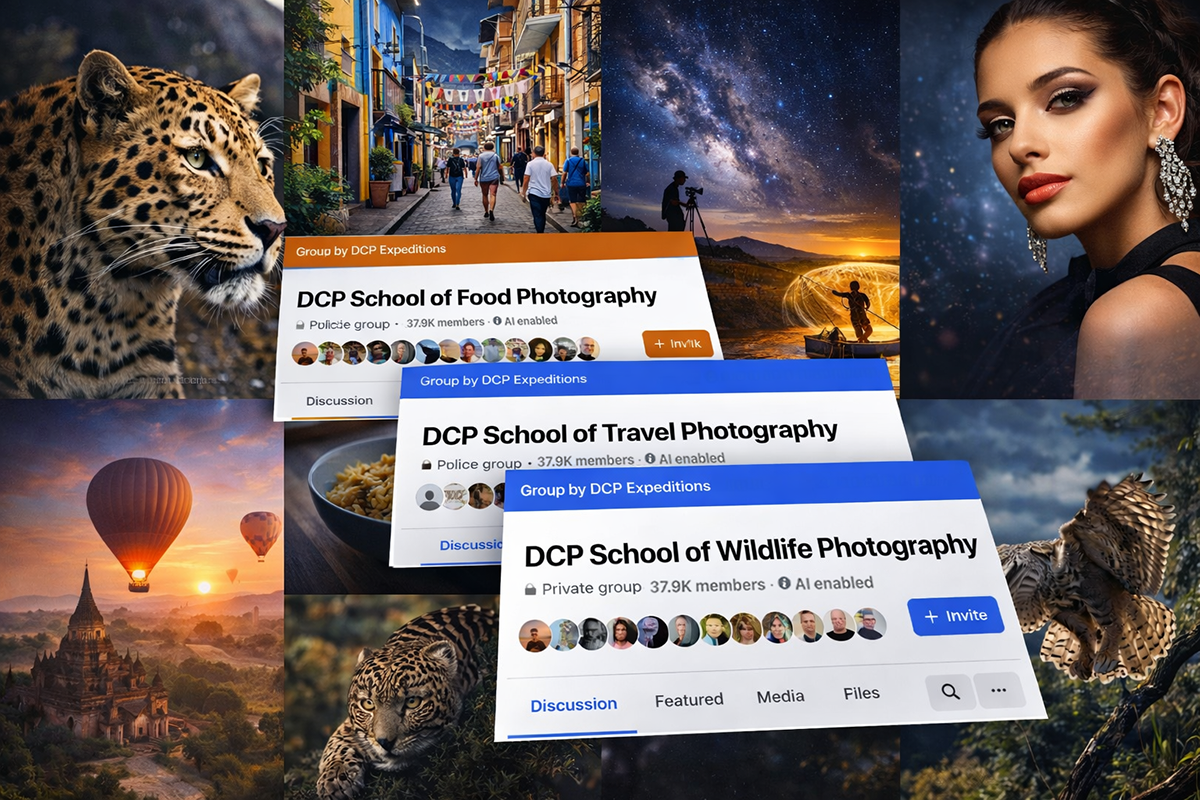
What is the DCP Blue Frame Awards?

The DCP Blue Frame Awards is an annual photography recognition platform created for photographers from our online community. It is not just an award title, but a reflection of how photography is shared, discussed, and celebrated within the DCP ecosystem throughout the year.

The idea of the Blue Frame comes from DCP’s long-standing association with the colour blue – a colour that symbolises trust, consistency, learning, and creative integrity. It also establishes a natural visual and emotional connect with Facebook’s blue theme, reinforcing the fact that the Blue Frame Awards is born directly out of an active online community. The award represents images that have lived, evolved, and been appreciated within this shared digital space before reaching the annual stage.

At its core, the DCP Blue Frame Awards celebrates photographers who are consistently engaged, creatively curious, and willing to grow through feedback and participation.

How to participate?

If you are not part of the DCP Facebook photography groups, you are genuinely missing something important.

Here are the links to join these groups

https://www.facebook.com/groups/dcpwildlifephotography

https://www.facebook.com/groups/dcptravelphotography

https://www.facebook.com/groups/dcpfoodphotography

https://www.facebook.com/groups/dcpastrophotography

https://www.facebook.com/groups/dcpfashionphotography

https://www.facebook.com/groups/dcpproductphotography

https://www.facebook.com/groups/dcpsportsphotography

These groups form the foundation of the Blue Frame Awards. Photographers from across genres regularly post their work, interact with peers, receive constructive feedback, and learn in a supportive, mentor-driven environment. It is not a passive space – it is a living, breathing photography classroom and gallery rolled into one.

Every month, we curate and recognise the top 30 to 40 images shared within the community. These selections are based on creativity, technical quality, storytelling strength, and overall impact. Over the course of the year, these monthly recognitions automatically feed into the annual DCP Blue Frame Awards, where the best of the best are evaluated again at a national level.

In simple terms, if you post consistently and engage meaningfully within the community, you are already on the Blue Frame journey.

Screening period: 1st September of previous year till 31st August every year.

Announcement of results: 10th October every year.

The Jury

The DCP Blue Frame Awards are judged by a respected panel of jury members with diverse backgrounds across photography and visual storytelling. Each juror brings years of professional experience and a deep understanding of both artistic intent and technical execution.

The evaluation process is designed to be fair, balanced, and thoughtful. Images are not judged purely on visual appeal, but also on originality, narrative strength, emotional impact, and creative vision. This ensures that the awards retain credibility and continue to hold value within the photography community.

The Awards and Recognition

Winners across multiple photography categories are announced through an online awards ceremony, making the celebration accessible to photographers regardless of location.

Beyond certificates and titles, selected winners receive PR coverage and visibility across DCP’s digital platforms. This exposure helps photographers build recognition, strengthen their portfolios, and gain confidence to push their work further.

More than a competition, the DCP Blue Frame Awards is a community-driven recognition system – one that rewards consistency, participation, and honest storytelling through images.

The Blue Frame is not just a colour. It is a symbol of belonging, growth, and creative excellence within the DCP photography community.

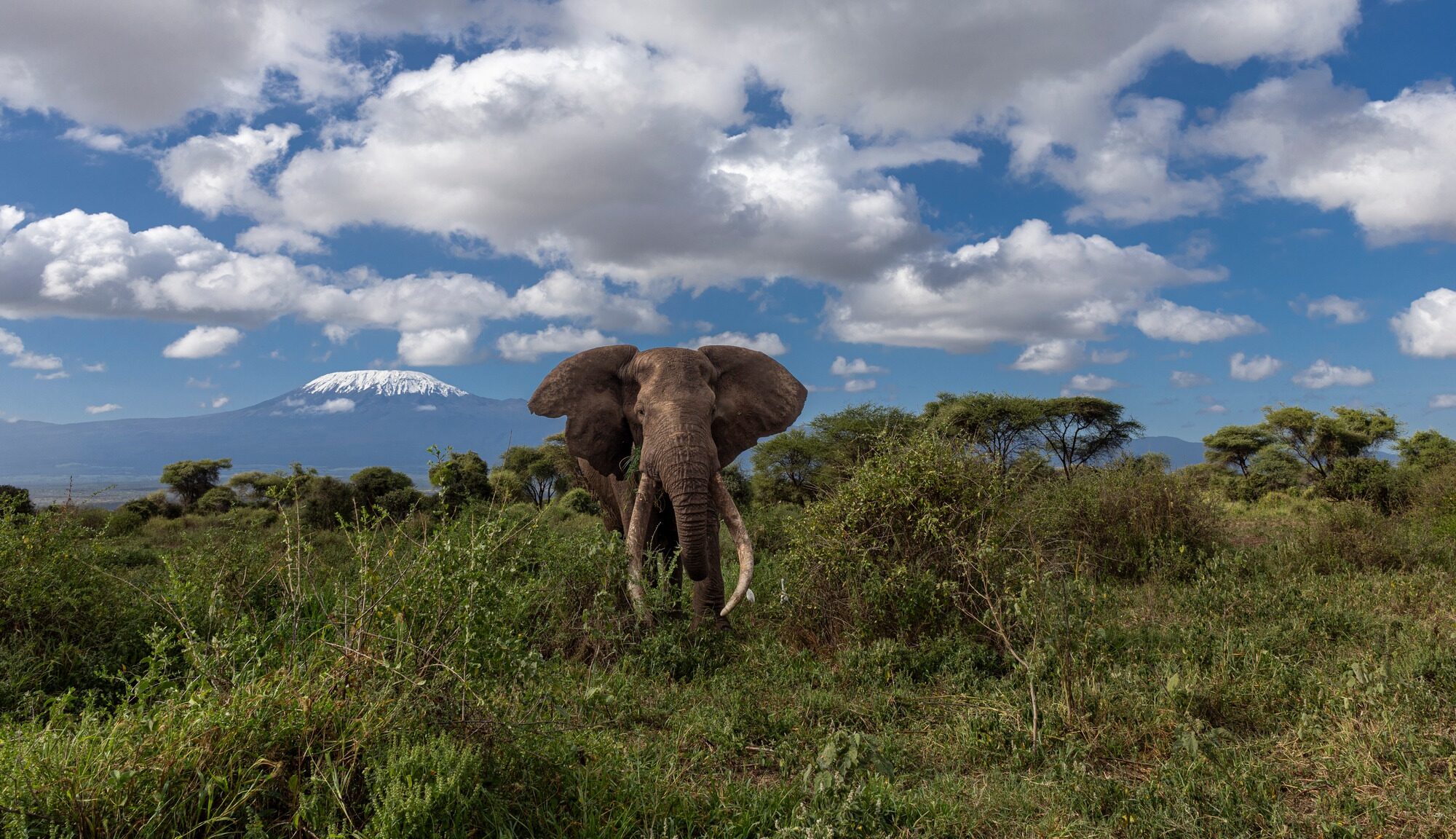
There is no place on Earth like Africa when it comes to raw, breathtaking encounters with nature. The continent’s iconic landscapes and abundant wildlife offer an unparalleled canvas for wildlife photographers. From towering elephants walking beneath Mount Kilimanjaro to the dramatic river crossings of the Great Migration, Africa’s diverse regions are a dream destination for professionals and hobbyists alike. At DCP Expeditions, our Africa Wildlife Photography Tours are meticulously crafted to deliver once-in-a-lifetime photographic opportunities, expert field mentorship, and immersive storytelling experiences.

Whether you’re searching for Africa’s best wildlife safari destinations or looking to elevate your wildlife portfolio, our curated expeditions across Kenya, Tanzania, Uganda, Namibia, and Botswana open up a world of photographic magic.

The Magic of Kenya: From the Mara to the Hidden Gems

Kenya stands tall as one of Africa’s most celebrated wildlife photography destinations. Our tours take you deep into its heart – from the legendary plains of the Masai Mara to the wild beauty of Tsavo East and West. Masai Mara offers dramatic action scenes during the Great Migration, predator-prey interactions, and golden-hour portraits of lions, cheetahs, and elephants. Tsavo, with its vast red-earth terrain, brings a sense of scale and wildness that few places can match.

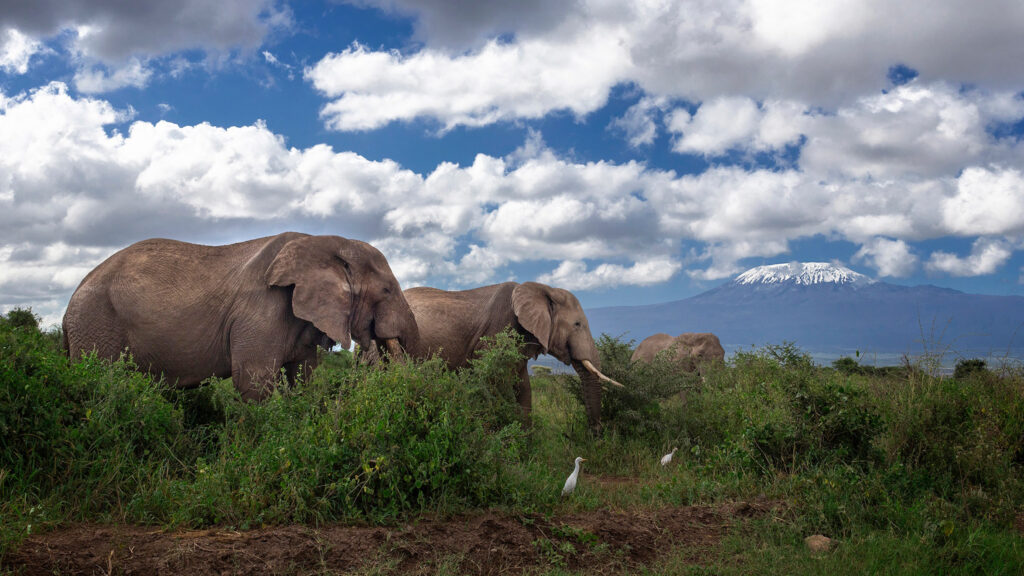
Amboseli, with the backdrop of Mount Kilimanjaro, is one of the finest places in the world to photograph elephants, especially the famed tuskers that roam the region. Meanwhile, Lake Nakuru and Lake Naivasha add an avian element to the experience, with flocks of flamingos, pelicans, and raptors offering perfect moments for bird photography.

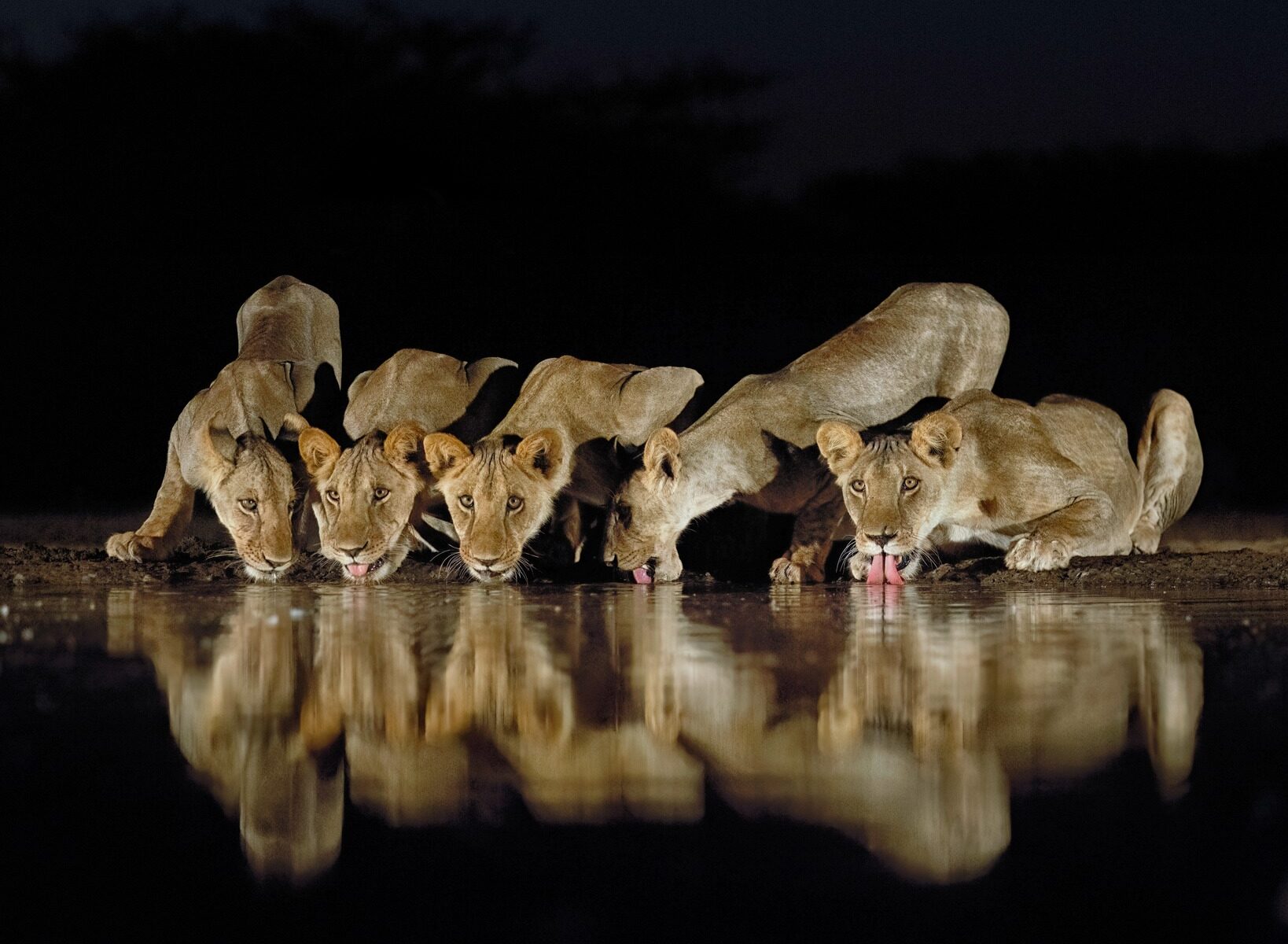
Hidden away in southern Kenya, the Shompole Conservancy provides a unique hide-based photography experience. Positioned at waterholes in the heart of the Rift Valley, these hides offer eye-level views of lions, leopards, giraffes, and a wide variety of birds, allowing for intimate and evocative compositions that are impossible to achieve on a vehicle safari.

Tanzania: The Drama of the Serengeti and Beyond

Tanzania’s vast wilderness is the setting for some of the most cinematic wildlife experiences in Africa. The Serengeti needs no introduction, offering dramatic predator-prey interactions, endless grasslands, and towering acacia trees that silhouette beautifully at dawn and dusk. Our photography tours include sessions in the Serengeti as well as in Ndutu and the Ngorongoro Crater — both renowned for their dense wildlife and accessibility to some of the most iconic species on the continent.

Ndutu is particularly rich during the calving season, where thousands of wildebeest give birth, attracting predators and offering rare moments of life-and-death drama for the camera. Lake Manyara, with its forest elephants and tree-climbing lions, adds yet another dimension to your Tanzanian photo journey.

Uganda: The Call of the Wild Gorillas

In the misty mountains of Uganda lies one of Africa’s most soul-stirring experiences — the chance to photograph mountain gorillas in their natural habitat. The moment you make eye contact with a silverback in Bwindi Impenetrable Forest is one you will never forget. Our Uganda wildlife photography tours are designed for intimate encounters, slow shutter moments, and powerful black-and-white portraits of our closest relatives in the animal kingdom.

Namibia and Botswana: Landscapes, Light, and Drama

Southern Africa brings in the surreal. In Namibia, the towering red dunes of Sossusvlei and the dead tree graveyard of Deadvlei offer minimalist compositions drenched in magical light. Etosha National Park showcases salt pans teeming with wildlife, while Damaraland provides rare desert-adapted elephants and dramatic mountainous backdrops.

In Botswana, the Okavango Delta becomes a canvas of water, grass, and wildlife. Boat safaris and mokoro rides provide low-angle perspectives of hippos, crocodiles, and birds. Meanwhile, the Central Kalahari reveals stark beauty and elusive predators like the black-maned lion of the desert.

Shompole, Lake Magadi, and Laikipia: Africa’s Lesser-Explored Wilderness

Beyond the popular circuit, DCP also curates unique experiences in lesser-known but ecologically rich regions like Shompole, Lake Magadi, and Laikipia. Nestled in the Great Rift Valley, the Shompole Conservancy offers exclusive hide-based wildlife photography — a rare opportunity to photograph big cats, giraffes, and birds at eye level in stunning natural light. Nearby, the alkaline shores of Lake Magadi become a dramatic setting for flamingo photography, blending surreal landscapes with vibrant avian life. Further north, Laikipia remains one of Kenya’s most inspiring conservation success stories, home to endangered species like the Grevy’s zebra and black rhino. These locations promise not just solitude and exclusivity, but also a deeper, more intimate connection with Africa’s untamed soul — perfect for photographers seeking frames that go beyond the ordinary.

Why Choose DCP for Your Africa Wildlife Photography Expedition

At DCP Expeditions, every tour is designed with photography at its core. We offer small-group safaris guided by expert wildlife photographers who know the rhythm of light, animal behavior, and storytelling. Each destination is chosen based on seasonal movement, migratory patterns, and the photographic potential it holds.

With hide-based experiences in Shompole, tusker sightings in Amboseli, gorilla treks in Uganda, and wide-angle compositions in Namibia, our Africa tours are not just safaris — they are carefully curated visual journeys.

Start Your African Photo Odyssey

Join DCP Expeditions as we take you through the best wildlife photography tours across Africa. Discover the drama of predator chases, the serenity of golden sunrises over savannas, the intensity of eye-level predator portraits, and the quiet beauty of elephants walking under stars. Whether you are chasing action or intimacy, grandeur or details, there is a frame waiting for you in Africa.

To explore upcoming Africa Wildlife Photography Tours, visit https://dcpexpeditions.com/tours/africa-wildlife-photography-tours

9th, 10th & 11th January 2026 | Bombay Art Society, Bandra Reclamation, Mumbai

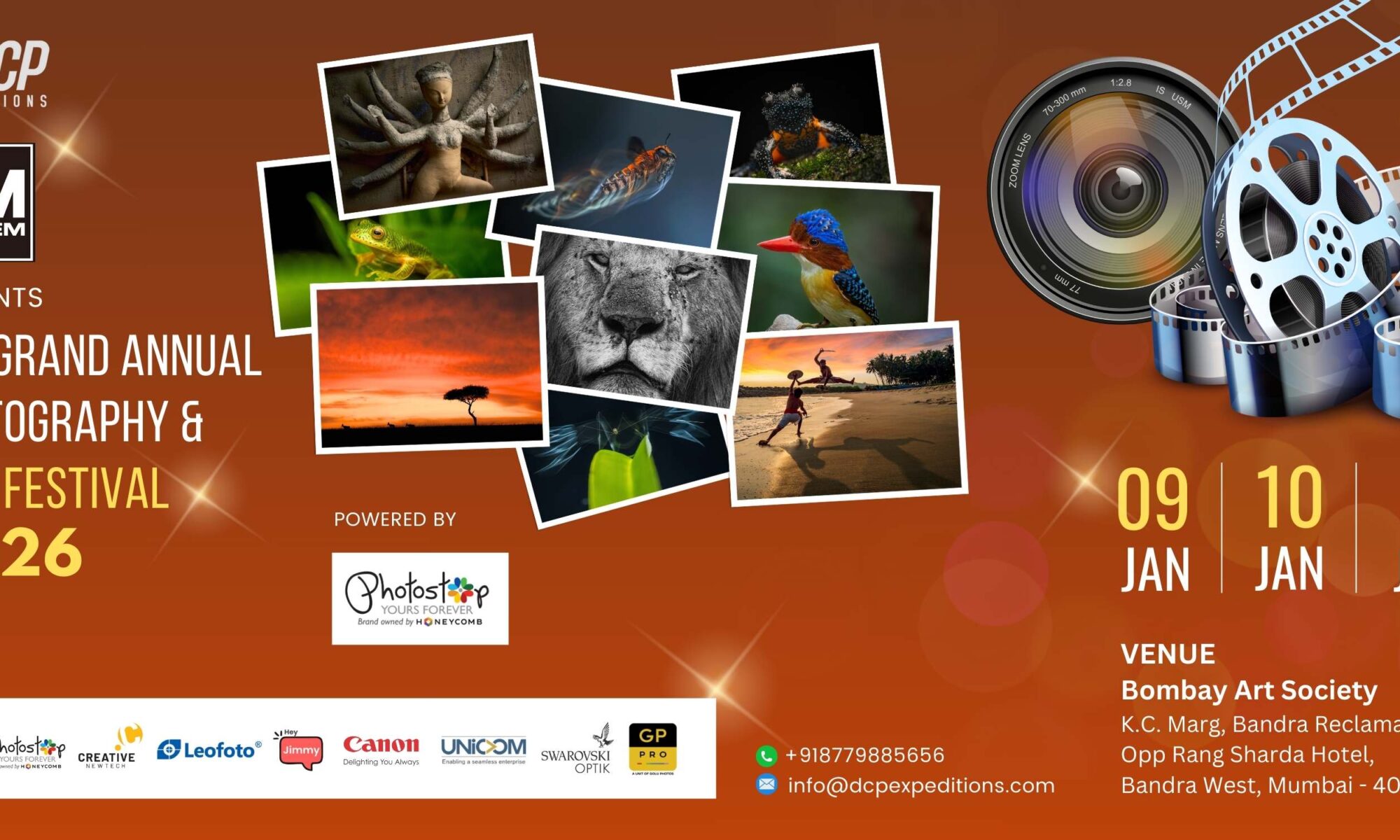
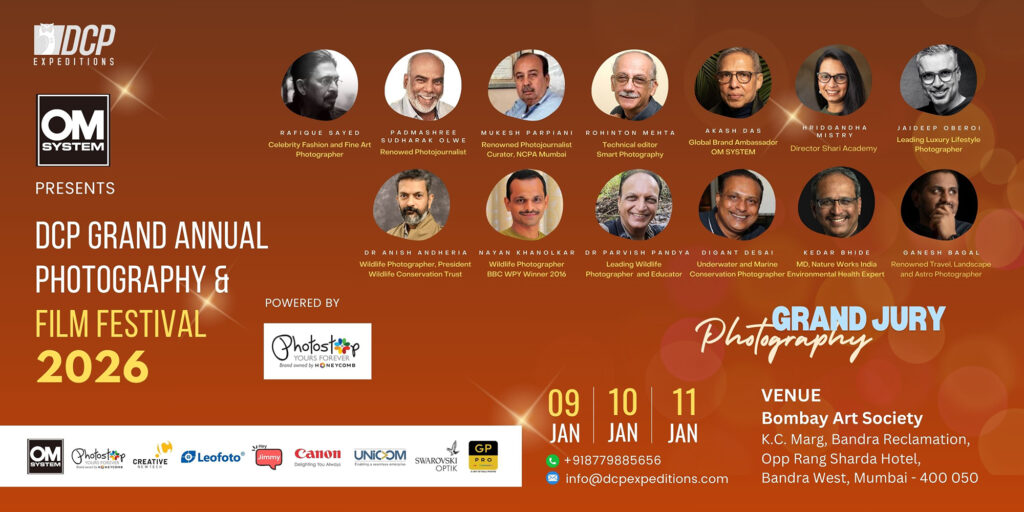
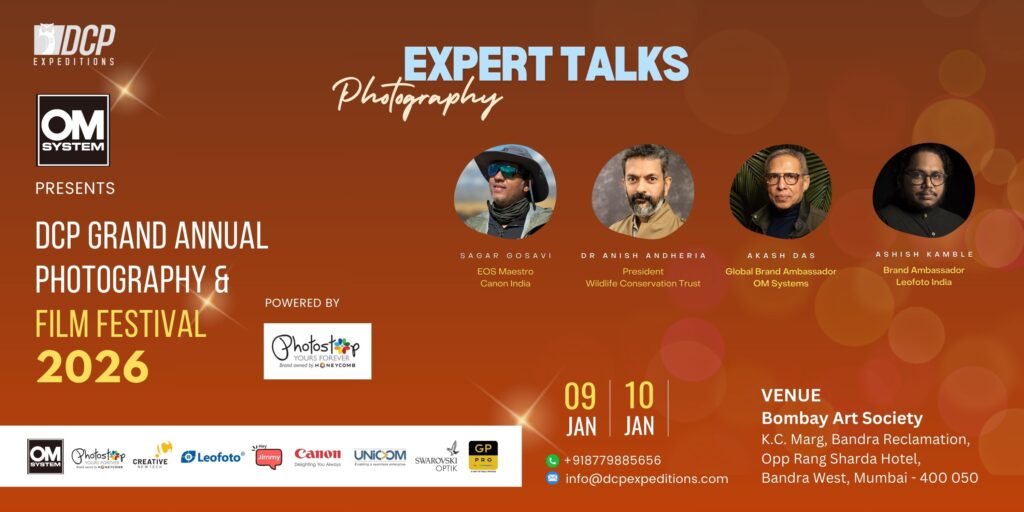
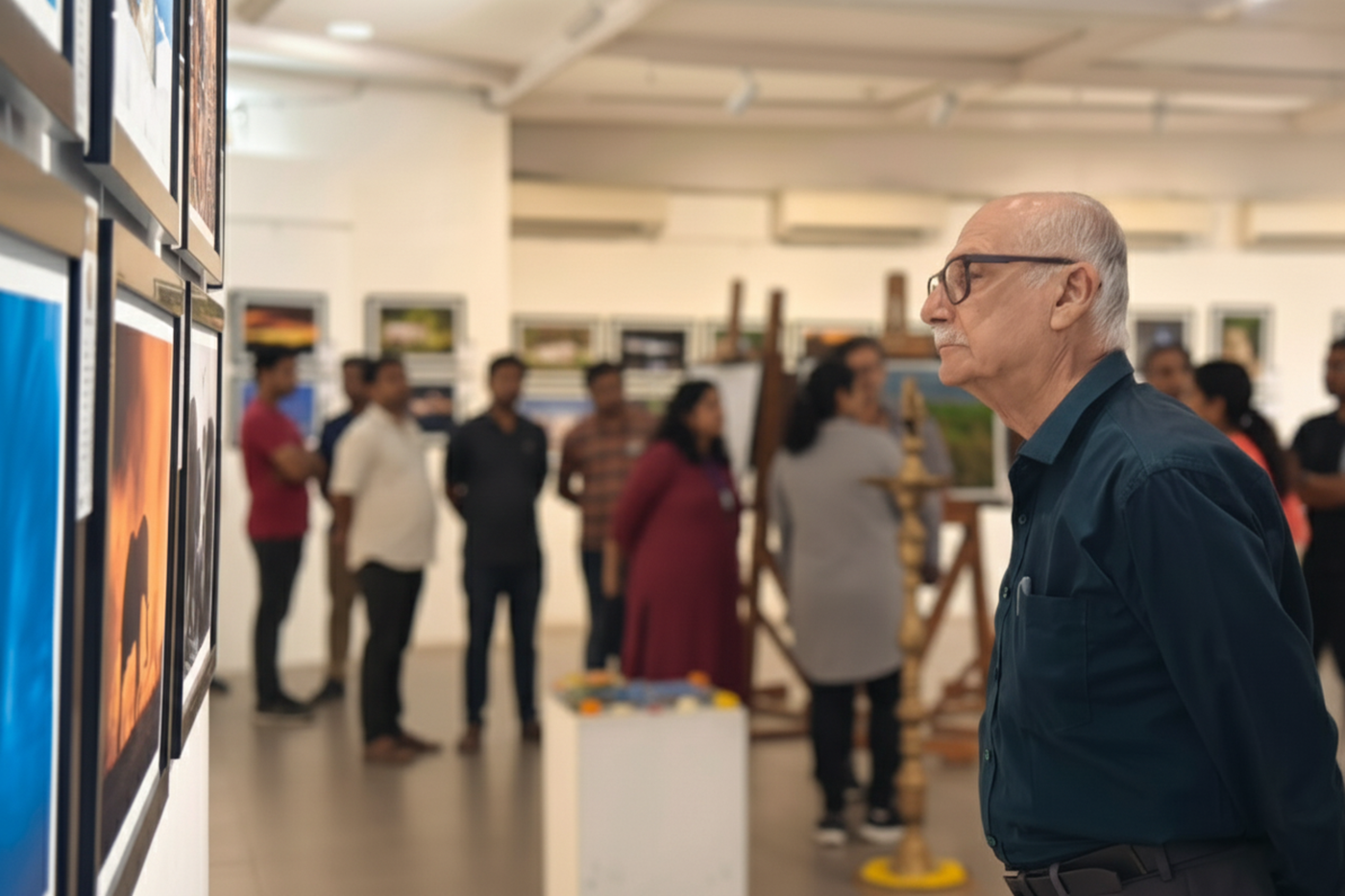
The most awaited time of the year is here once again. DCP Expeditions is delighted to announce the DCP Grand Annual Photography & Film Festival 2026, scheduled from 9th to 11th January 2026 at the iconic Bombay Art Society, Bandra Reclamation, Mumbai.

What began in 2015 as DCP’s very first Grand Annual Photography Exhibition has evolved into one of India’s most respected and community-driven visual arts festivals. Now in its 11th year, the festival stands as a powerful confluence of photography, cinema, conservation, learning, and dialogue, bringing together creators and audiences under one roof.

Important Dates, Timings and Venue

The festival inauguration will take place on 9th January 2026 at 12:00 PM.

The festival remains open on 9th, 10th and 11th January 2026 from 11:00 AM to 7:00 PM each day.

Expert talks are scheduled on 9th January from 3:00 PM to 4:00 PM and on 10th January from 12:00 PM to 3:00 PM.

Short film screenings begin on 9th January from 4:00 PM onwards.

The DCP Annual Awards Ceremony will be held on 11th January 2026 from 12:00 PM to 3:00 PM.

The venue for all events is the Bombay Art Society, Bandra Reclamation, Mumbai.

What to Expect at the Festival

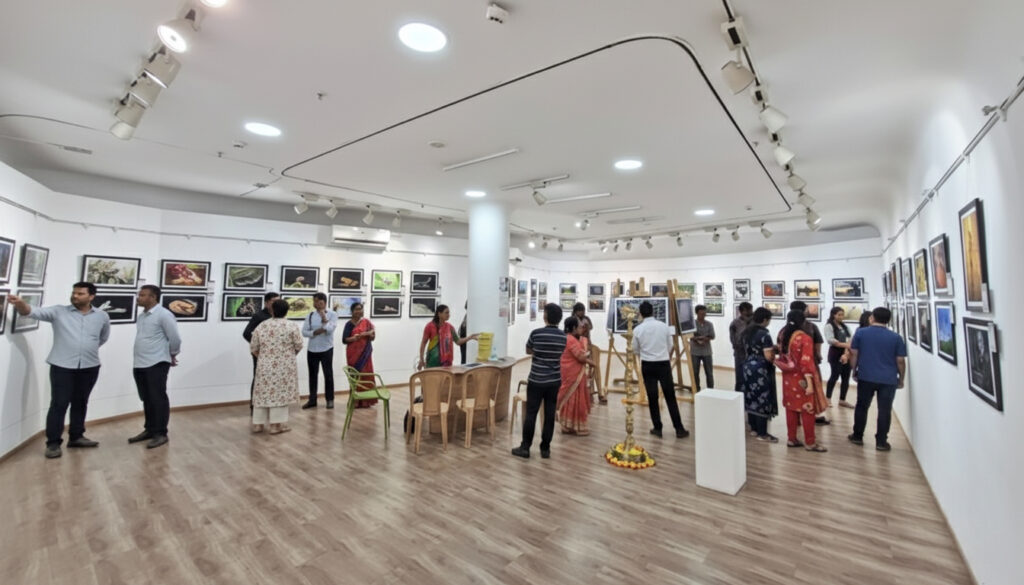
The DCP Grand Annual Photography & Film Festival 2026 is curated as a complete celebration of visual storytelling. At its heart is the Grand Annual Photography Exhibition and Awards 2026, featuring over 250 meticulously curated photographs displayed across two galleries. Complementing this is the Annual Film Festival and Film Awards 2026, showcasing short films by filmmakers from across India and beyond.

The experience is further enriched by expert-led talks, brand sessions, conservation-focused discussions, and the much-awaited launch of the Limited Edition DCP Coffee Table Book 2026. Together, these elements transform the festival into an immersive journey that appeals to photographers, filmmakers, students, conservationists, and visual art enthusiasts alike.

The Grand Annual Photography Exhibition and Awards 2026

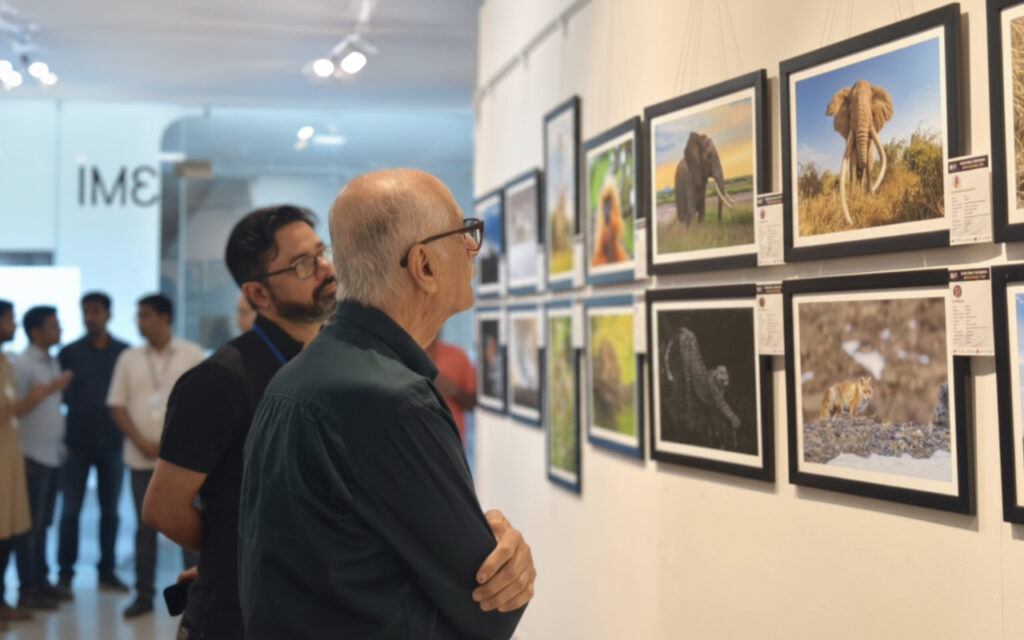
This year’s exhibition presents approximately 250 elegantly framed photographs, printed on Epson Enhanced Matte paper in 18 x 12 inch format. The exhibition reflects the diversity and depth of contemporary photography, spanning genres that include wildlife, travel, underwater and marine life, landscapes and astrophotography, portraits and fashion, products, and food photography.

All shortlisted images on display are automatically nominated for the DCP Grand Annual Photography Awards 2026. The winners across categories will be honoured during the awards ceremony on 11th January 2026 at the Bombay Art Society Auditorium.

DCP Annual Film Festival and Film Awards 2026

Following its successful launch in 2025, the DCP Annual Film Festival returns to celebrate storytelling through short films. Open to amateurs, professionals, and film clubs alike, the festival provides an inclusive platform for cinematic voices across genres.

All shortlisted films will be screened on 9th January 2026 from 4:00 PM onwards at the Bombay Art Society Auditorium. Film award winners will be announced and honoured during the Grand Annual Awards Ceremony on 11th January 2026.

Expert Talks and Special Sessions

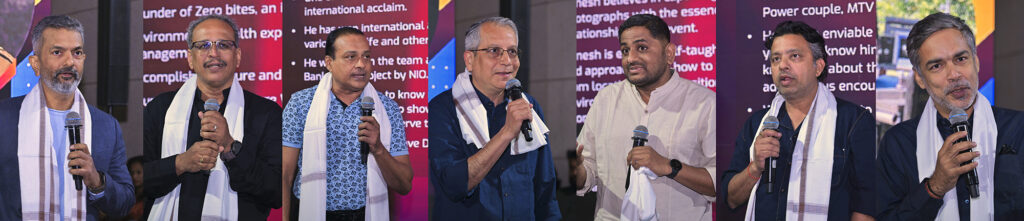
One of the defining strengths of the DCP Grand Annual Photography & Film Festival is its thoughtfully curated line-up of expert talks and special sessions. These sessions are designed to inspire deeper thinking, technical growth, and meaningful conversations around photography, filmmaking, conservation, and visual storytelling.

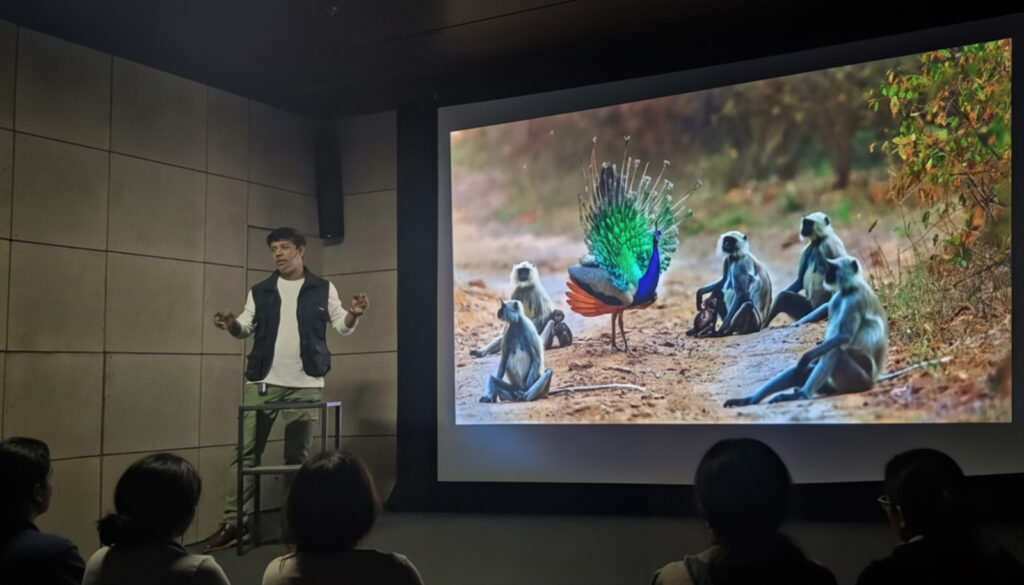
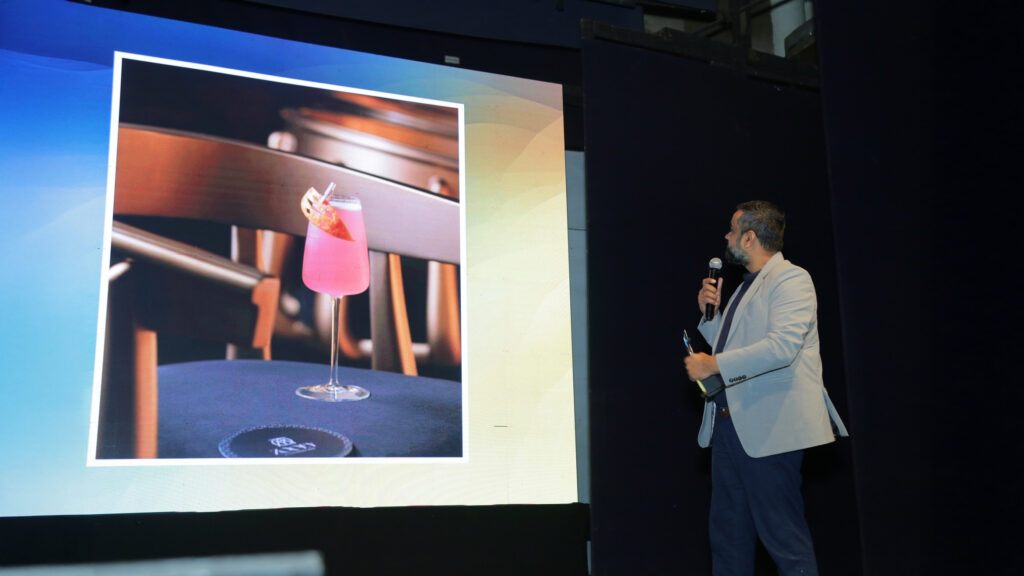
On 9th January 2026, the afternoon begins with a session on ‘Photographing High Altitude Fauna by Sagar Gosavi, Canon EOS Maestro from 3:00 PM to 4:00 PM, followed by the screening of nominated films from 4:00 PM onwards.

The 10th of January 2026 is dedicated entirely to expert-led knowledge sessions. Dr Anish Andheria presents Shooting to Save, exploring the role of visual storytelling in wildlife conservation. This is followed by Akash Das’s session on Fine Art in Wildlife Photography, where creative intent and artistic expression take centre stage. The day concludes with Ashish Kamble’s session on Panorama Astrophotography, offering insights into capturing expansive night skies through advanced techniques and workflows.

These sessions elevate the festival beyond an exhibition, transforming it into a space for learning, reflection, and creative exchange.

Launch of the Limited Edition DCP Coffee Table Book 2026

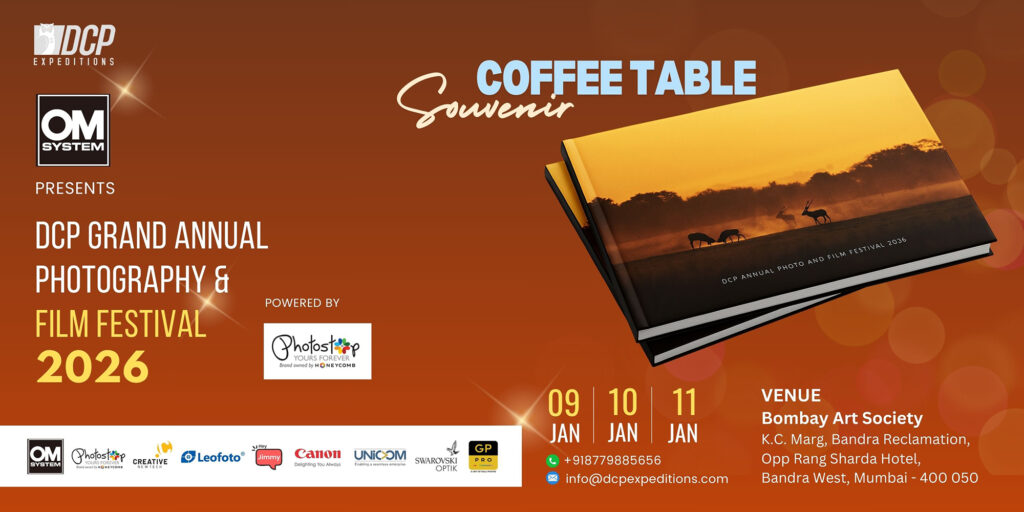
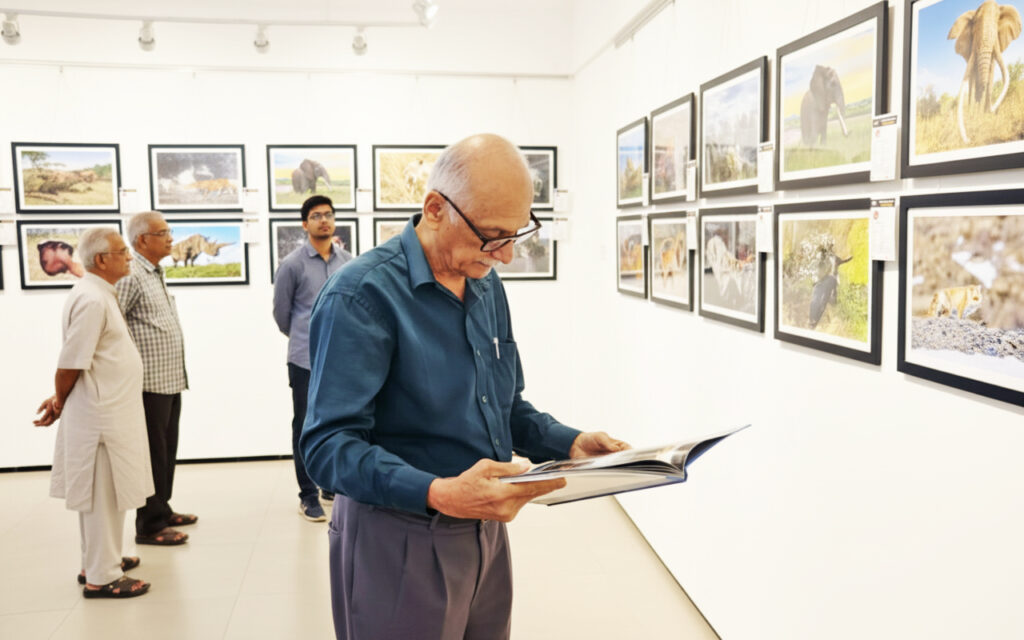
A highlight of the festival each year is the launch of the DCP Coffee Table Book, and 2026 is no exception. This limited edition volume features all exhibited photographs, printed on 200 GSM photo-quality paper in a 39 x 29 cm hardbound format, spanning 200 full-colour pages.

Available exclusively through pre-order, the book stands as a timeless collectible and an enduring archive of the festival’s visual legacy.


Day-Wise Overview of the Festival

The festival unfolds over three immersive days, each offering a distinct experience.

Day 1 – 9th January 2026 marks the official inauguration, coffee table book launch, gallery walkthroughs, expert talk and short film screenings.

12:00 PM – 3:00 PM: Official inauguration, Coffee table book launch, Gallery walkthrough

3:00 PM – 4:00 PM – Photographying High Altitude Fauna by Sagar Gosavi, Canon EOS Maestro

Register here

4:00 PM – 6:00 PM – Screening of nominated short films.

Register here


Day 2 – 10th January 2026 is dedicated to conservation, fine art, and astrophotography talks by leading experts.

12:00 PM – 01:00 PM – Shooting to Save by Dr Anish Andheria, President, Wildlife Conservation Trust

Register here

01:00 PM – 02:00 PM – Fine Art in Wildlife Photography by Akash Das, Global Brand Ambassador, OM System

Register here

02:00 PM – 03:00 PM – Panorama Astro Photography by Ashish Kamble, Brand Ambassador, Leofoto India

Register here


Day 3 – 11th January 2026 culminates with the DCP Annual Awards Ceremony, celebrating excellence in photography and filmmaking.

12:00 PM – 03:00 PM – DCP Annual Awards 2026

Throughout all three days, the exhibition galleries remain open from 11:00 AM to 7:00 PM.


A Festival of Vision, Storytelling and Community

The DCP Grand Annual Photography & Film Festival 2026 is more than an event. It is a meeting ground for ideas, creativity, purpose, and community. From powerful images and compelling films to insightful conversations and shared experiences, the festival embodies the spirit of visual storytelling in its truest form.
Whether you are a professional, a student, a conservationist, or an enthusiast, these three days promise inspiration, learning, and meaningful connections.

Be a part of India’s biggest photography community-driven festival of visual arts.

We look forward to welcoming you this January.

Team DCP Expeditions

WhatsApp: 8779885656

Email: submissions@dcpexpeditions.com

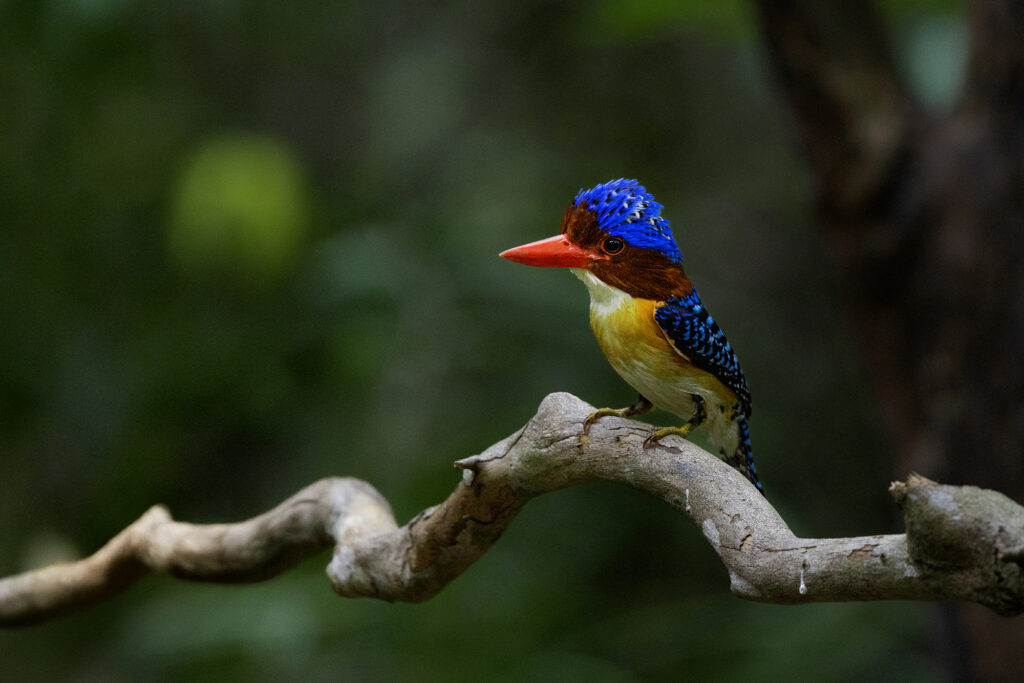
Vietnam, long known for its rich cultural heritage and breathtaking landscapes, is rapidly emerging as a must-visit destination for bird photographers seeking rare endemics, lush rainforest backdrops, and pristine habitats. With its diverse elevations, tropical climate, and dense forests, southern Vietnam offers an unparalleled opportunity to witness and photograph some of Asia’s most elusive avian species. For those who travel with a camera and a passion for birds, the birding circuit across Đồng Nai, Cát Tiên National Park, Bidoup Núi Bà, Đà Lạt, and Di Linh is nothing short of magical.

Why Vietnam Is a Bird Photographer’s Dream

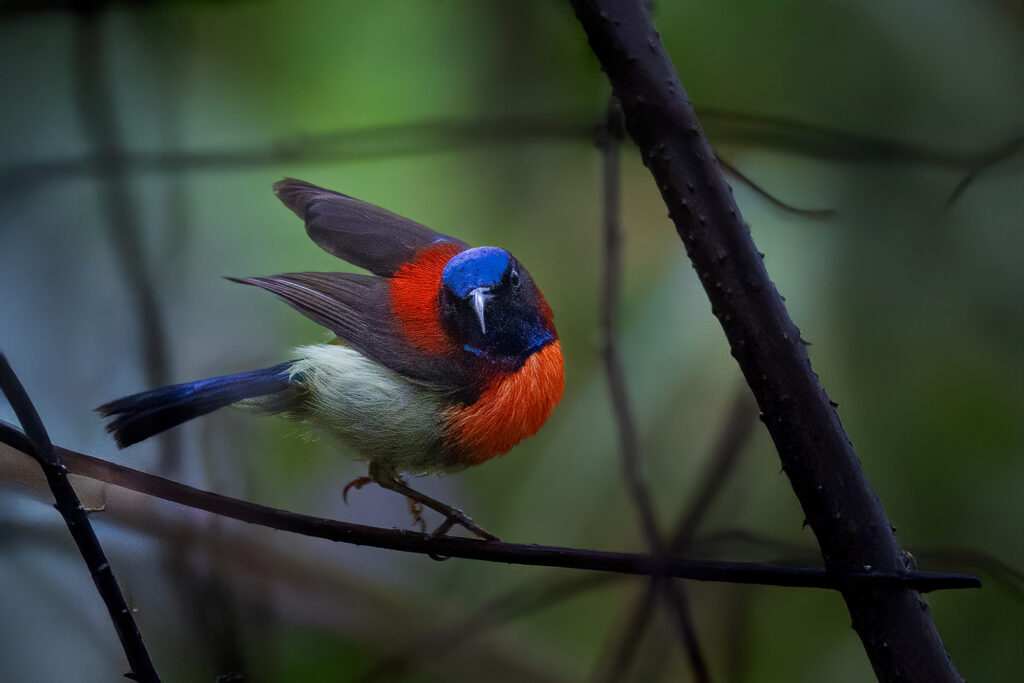
Vietnam straddles multiple eco-regions, including the Indochinese tropical forests and the Annamite mountain ranges, creating a convergence of biodiversity found nowhere else on Earth. For bird photographers, this means dramatic lighting in montane forests, misty canopies in lowland rainforests, and sudden explosions of color as trogons, pittas, broadbills, and laughingthrushes emerge from the foliage. The relatively compact travel circuit between these hotspots allows for back-to-back photographic encounters with some of the region’s most sought-after species.

Đồng Nai: Gateway to the Southern Wilds

Just a few hours northeast of Ho Chi Minh City lies Đồng Nai Biosphere Reserve, a massive conservation area that is often the first stop for bird photographers exploring Vietnam’s wilderness. This zone offers dense forests interspersed with open glades, making it ideal for both walk-and-shoot sessions and stationary birding near fruiting trees. Species like the Orange-breasted Trogon, Germain’s Peacock-Pheasant, and Green-eared Barbet make frequent appearances here. The light filtering through the canopy in the early morning is soft and cinematic, providing ideal conditions for high-ISO shots with natural background blur. Photographers will appreciate how this forest gives opportunities to play with contrast, light shafts, and low-angle compositions from the trails.

Cát Tiên National Park: A Biodiversity Hotspot

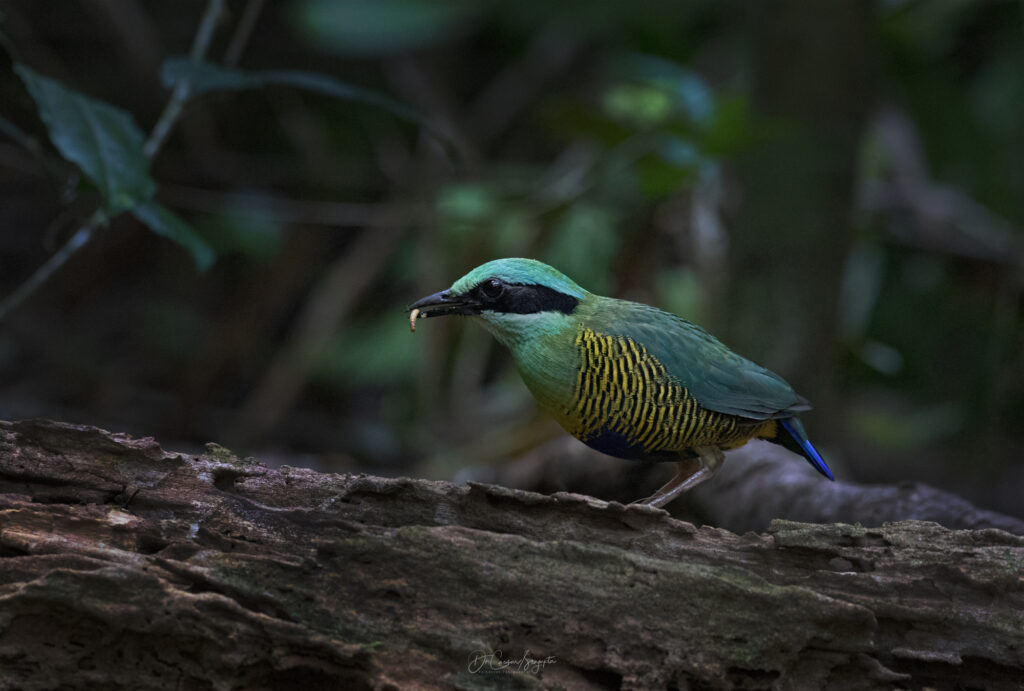
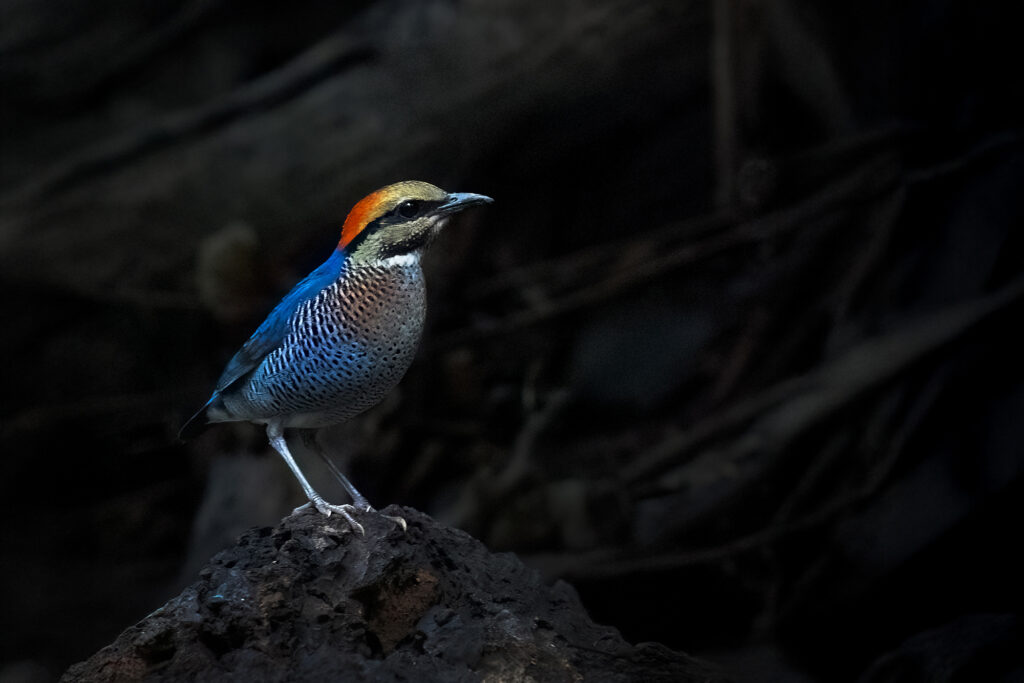
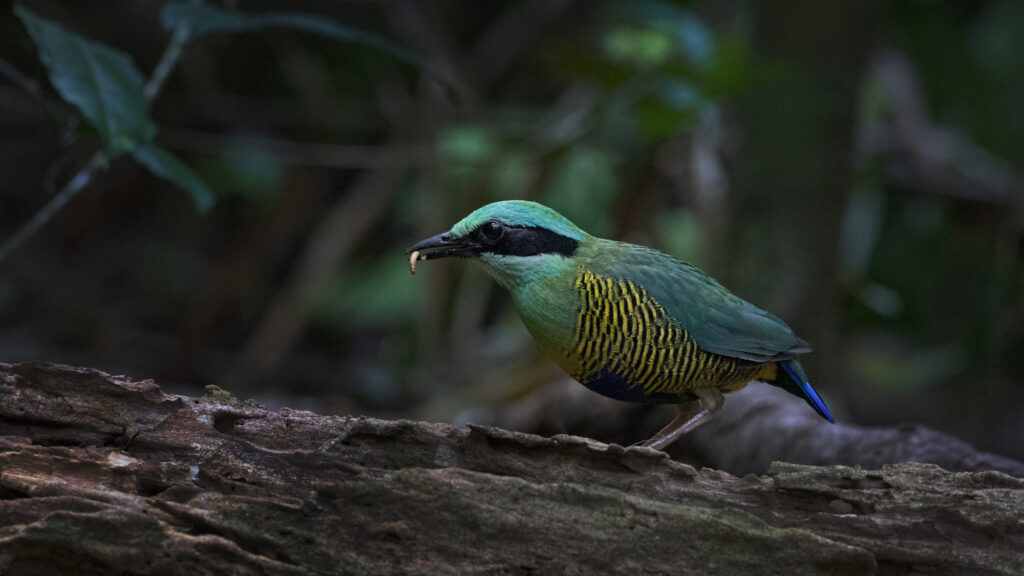
Cát Tiên is often the centerpiece of any southern Vietnam birding itinerary. This UNESCO-listed national park spans over 70,000 hectares and is home to more than 350 bird species. For photographers, Cát Tiên offers both accessibility and wildness. The trails are camera-friendly, the bird activity is constant, and the range of species is astonishing. From the stunning Bar-bellied and Blue-rumped Pittas to the shy Siamese Fireback, Cát Tiên is where many photographers have captured their most iconic rainforest images. The presence of fig trees, riverine ecosystems, and a variety of perches allows for controlled shooting conditions. It is also a good location for motion blur experiments during the golden hours, thanks to dappled lighting and frequent bird movement.

Bidoup Núi Bà: Mystical Highland Birding

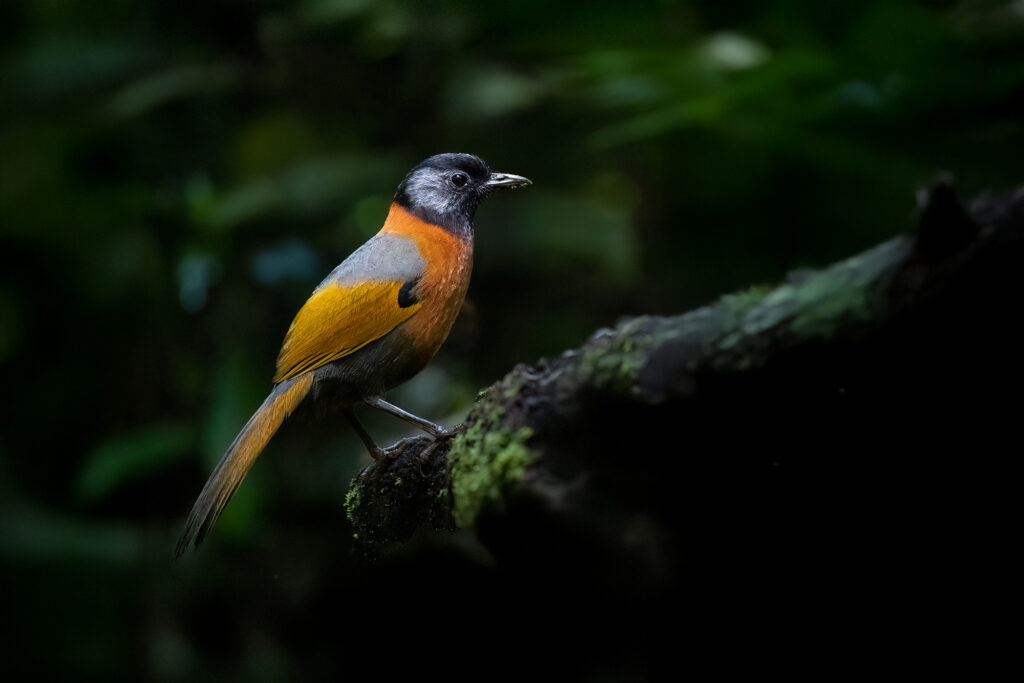
As the journey ascends into the Central Highlands, Bidoup Núi Bà National Park offers a change in both altitude and birdlife. Nestled in the Lâm Đồng Province, this protected area is a haven for montane species and high-elevation endemics. Bird photographers come here specifically for targets like the Black-crowned Fulvetta, Yellow-billed Nuthatch, and the rare Vietnamese Cutia. The forest here is cloaked in mist in the early hours, creating a dreamlike atmosphere. Shooting in Bidoup often means working in lower light conditions, which challenges photographers to fine-tune their ISO-exposure triangle. Moss-covered branches, forest streams, and textured bark add to the composition possibilities. It is a location that rewards patience, and every frame taken here feels like a whispered secret of the forest.

Đà Lạt: Urban Charm Meets Endemic Richness

The hill station of Đà Lạt is not just a cool-weather escape; it is a highland jewel for bird photographers. Surrounded by coniferous forests and tea plantations, Đà Lạt serves as a convenient base for photographing regional specialties such as the Vietnamese Greenfinch, Đà Lạt Shrike-Babbler, and Grey-crowned Crocias. The unique interplay between urban edge and wild habitat allows photographers to explore a variety of storytelling angles, from birds among cherry blossoms to species perched above colonial villas. The light in Đà Lạt is often crisp and diffused, perfect for fine feather detail and color reproduction. Side-lit compositions and silhouette frames work particularly well in these settings, offering a different flavor from the deep forests of Đồng Nai and Cát Tiên.

Di Linh: The Hidden Gem of the Highlands

Often overlooked, Di Linh is one of southern Vietnam’s best-kept secrets for bird photography. Situated a few hours south of Đà Lạt, this montane zone is famed among birders for species like the Indochinese Green Magpie, Red-vented Barbet, and Blue Pitta. The trails are intimate, the bird encounters are close-range, and the setting is serene. Di Linh allows photographers to slow down and focus on species behavior, making it ideal for those who enjoy intimate, eye-level portraits and behavioral storytelling. Early mornings in Di Linh are foggy and poetic, offering moody lighting that lends itself well to atmospheric images. For those working with longer focal lengths or mirrorless setups, the opportunities to frame subject-environment interactions are abundant.

Final Thoughts: Planning Your Vietnam Bird Photography Expedition

From flooded fig forests in Đồng Nai to the highland mists of Bidoup and Di Linh, the birding route across southern Vietnam is both compact and richly diverse. Each destination offers unique lighting, habitats, and subject matter, allowing bird photographers to stretch their technical and creative boundaries. Whether you are focused on ticking off endemic species or building a compelling narrative of tropical biodiversity, this region offers a field classroom like no other.

For bird photographers seeking a perfect blend of tropical lowland diversity and highland endemics, Vietnam offers one of Asia’s richest avian spectacles. The forested landscapes of Dong Nai, Cat Tien, Bidoup Nui Ba, Da Lat, and Di Linh are not just birding hotspots but vibrant canvases for visual storytelling. If you’re ready to turn these dream locations into your next field adventure, join us on the Vietnam Bird Photography Expedition with DCP Expeditions and explore this incredible birding paradise with your camera in hand.

Text and photos by Dr Caesar Sengupta

Introduction to Shompole Conservancy

Shompole Conservancy, nestled between Kenya’s Great Rift Valley and the Nguruman Escarpment, is a place where raw wilderness remains untouched and teeming with life. This privately managed conservation area is unlike the bustling safari circuits of the Maasai Mara or Amboseli. Shompole is quieter, more intimate, and intensely immersive. For wildlife photographers, especially those drawn to storytelling through behavior, light, and patience, Shompole offers something truly extraordinary. It is not about chasing wildlife across open plains but about sitting still and letting the wilderness come to you. And this is made possible by the exceptional hide photography experience.

What Makes Shompole Hides Unique

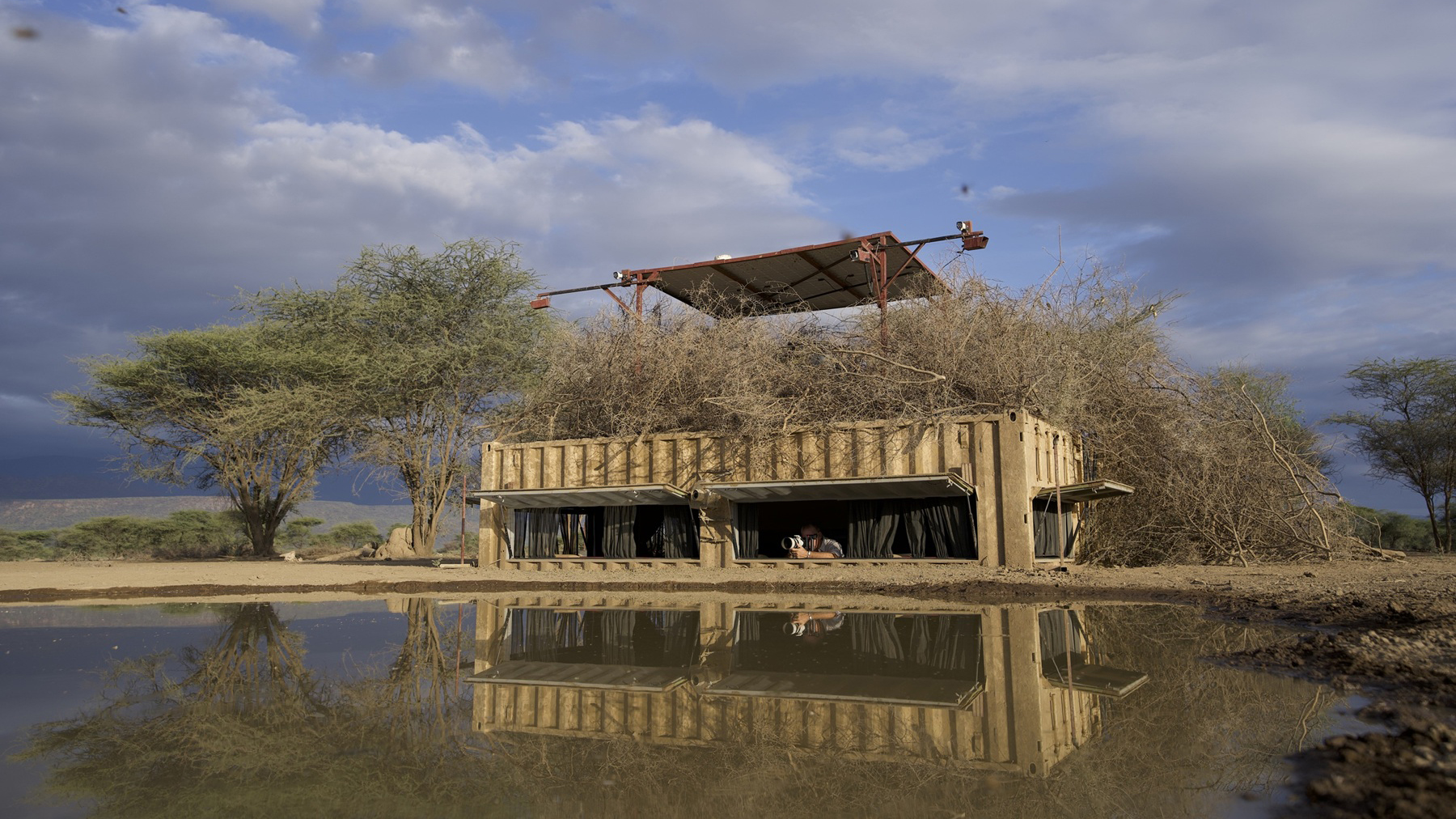
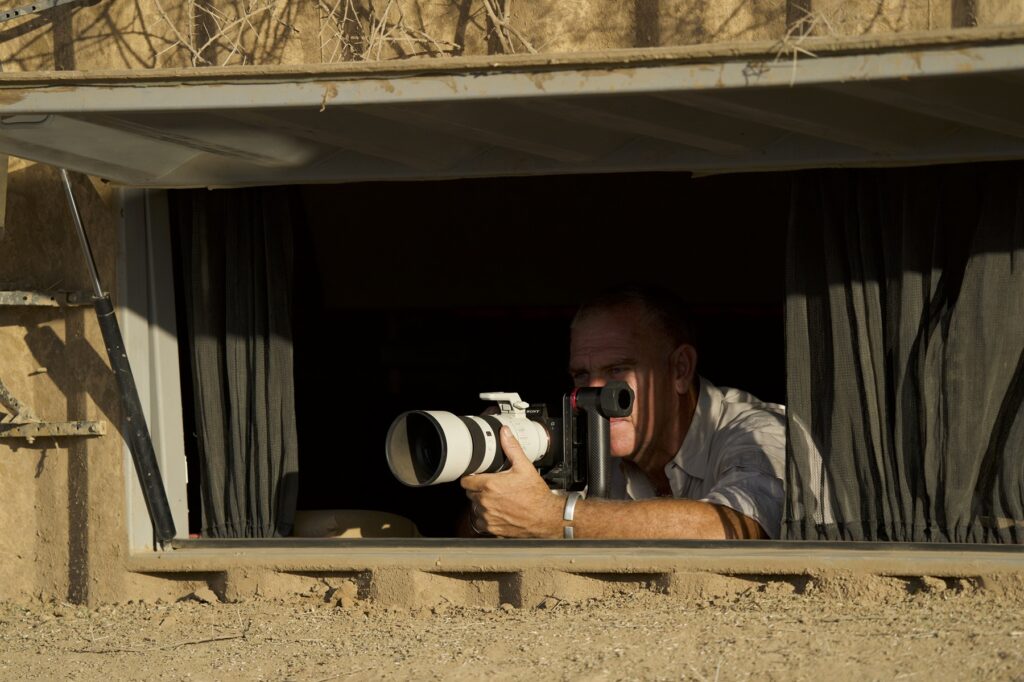
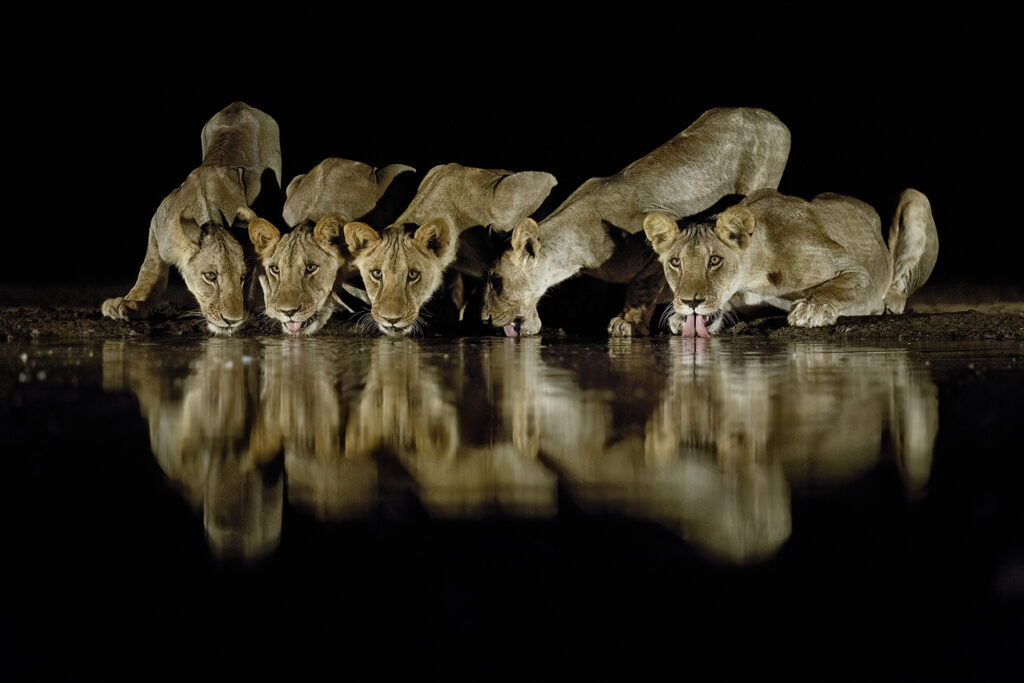
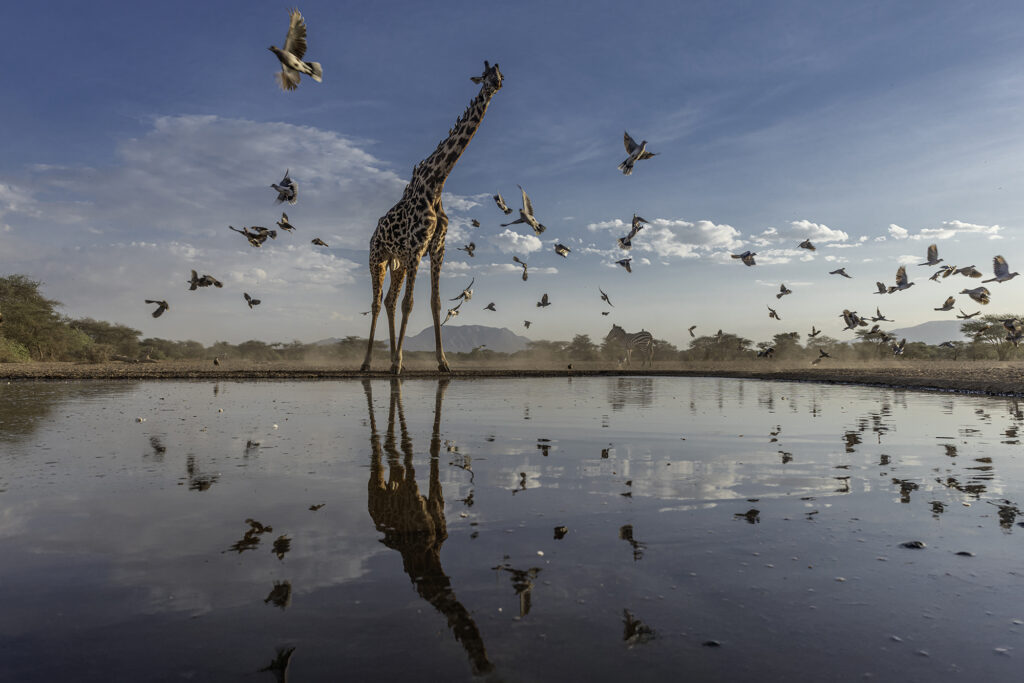
At Shompole, photography hides are not an afterthought. They are purpose-built, professionally designed structures placed strategically at natural waterholes and feeding sites. These hides are positioned below ground level, allowing photographers to shoot from a low, eye-level perspective. The composition opportunities that arise from this setup are powerful. Whether it is the reflection of a zebra drinking at eye-level, or a lion pausing for a moment as dust swirls behind it, the angles are cinematic and arresting.

Shompole’s hides have been designed with both comfort and functionality in mind. The interiors are spacious enough to accommodate long lenses, beanbags, and tripods. There are ports for gimbal heads, padded flooring for silent movement, and dark interiors to ensure zero disturbance to wildlife. These hides can be used at any time of the day, but it is during the soft glow of dawn and the golden light of dusk that they transform into magical spaces where moments unfold in silence.

Photographing Wildlife at Eye Level

What sets hide photography apart from traditional vehicle-based safaris is the proximity and perspective. When you are sitting motionless in a hide for hours, the animals begin to behave naturally. They approach cautiously, drink, interact, fight, mate, feed, and sometimes even stare directly at the lens without realizing they are being watched. At Shompole, the wildlife comes close, and the drama plays out mere meters away.

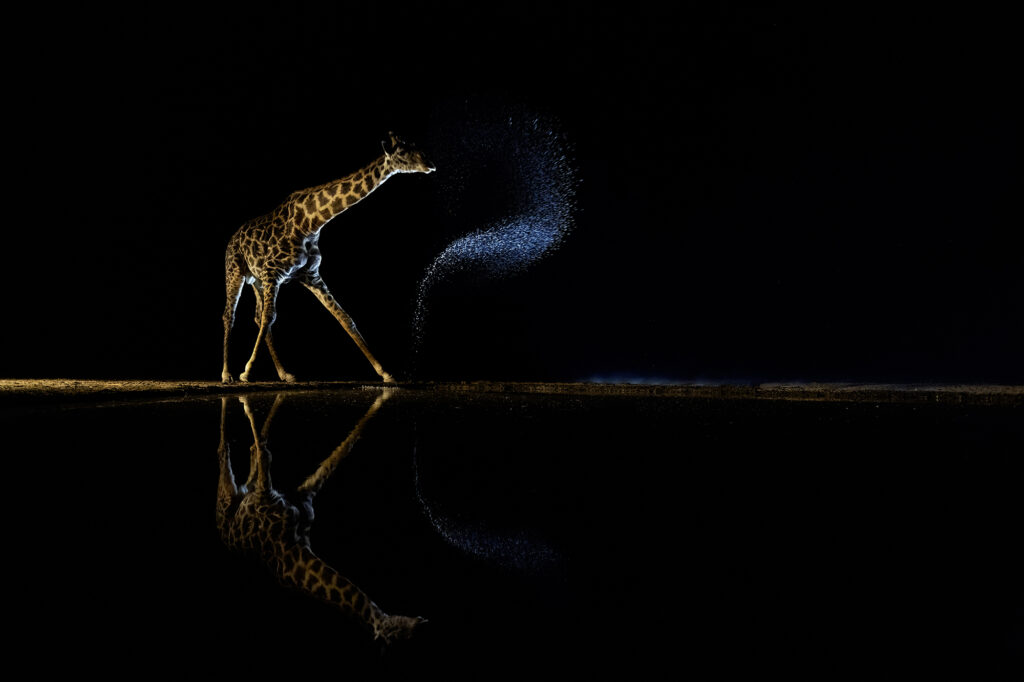
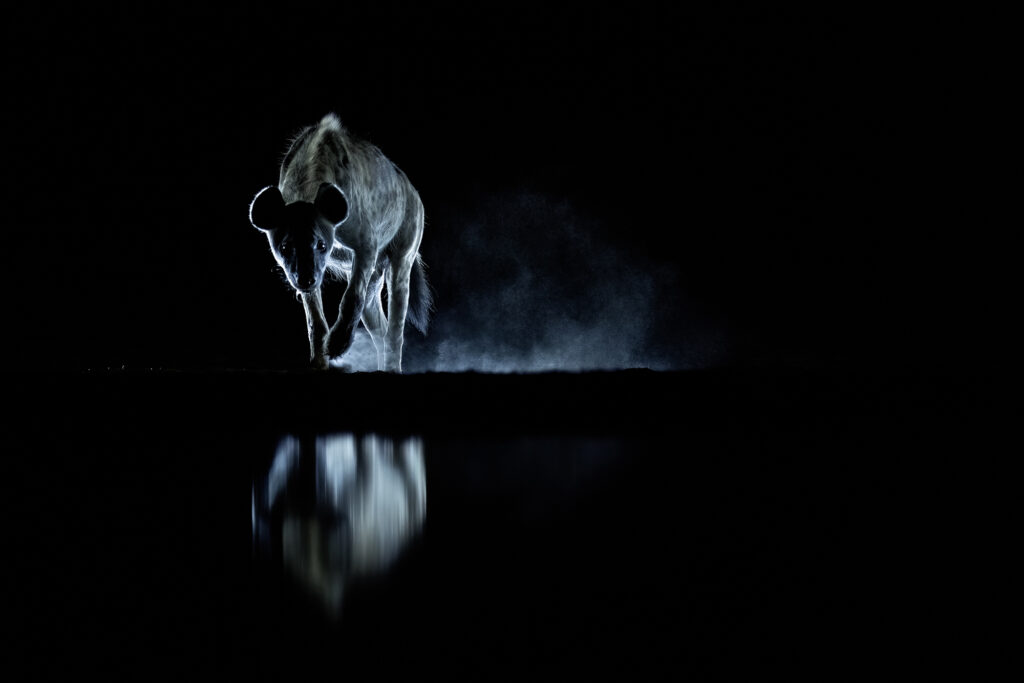
Lions, hyenas, zebras, elands, giraffes, and a wide range of bird species frequent the waterholes. Night sessions bring the possibility of photographing elusive creatures such as striped hyenas, African civets, porcupines, and even the occasional leopard. Photographers who invest the time and patience in the hides are rewarded with once-in-a-lifetime moments. Imagine capturing the raw intensity of a lioness drinking in perfect light, or a tower of giraffes framed against a thunderstorm sky. These are not fleeting drive-by images. They are powerful portraits crafted with care and anticipation.

The Role of Light, Silence, and Stillness

Shooting from hides teaches a different rhythm. The pace is meditative. You begin to study the light as it changes hour by hour. The sun rising behind the subjects creates backlit magic. The long shadows of evening add drama. As a photographer, you become hyperaware of sound, movement, and silence. Every rustle in the grass, every birdcall becomes a prelude to something extraordinary.

Shompole’s hides offer both morning and evening sessions, and during the warmer seasons, midday hours are also productive as animals frequently return to waterholes. Night photography with artificial lights or ambient moonlight is possible, depending on visibility and subject behavior. The conservancy has strict ethical guidelines, and all photography is conducted with deep respect for wildlife welfare and natural behavior.

Learning the Art of Hide-Based Photography

For those new to hide photography, the experience is deeply educational. It teaches you patience and the art of anticipation. You learn how to compose quietly, how to wait without disturbing the natural order, and how to work in low-light situations. At Shompole, photographers are guided by expert mentors who provide on-ground feedback and shooting tips tailored to each situation. Whether you are a seasoned wildlife shooter or an enthusiastic amateur, the learning curve is incredibly rewarding.

Framing becomes more intentional. Focus accuracy becomes critical. Understanding animal behavior becomes the key to predicting the right moment. These skills are honed in the stillness of the hides, where you have the time and space to observe deeply.

A Visual Feast for the Storyteller

Shompole is not just about big game. The diversity of subjects, from birds at eye level to zebras reflecting in shallow pools, creates opportunities for unique frames. The hides allow you to build a cohesive narrative. You can document the same species across different lighting conditions, moods, and behaviors, creating a strong portfolio rooted in consistency and visual storytelling.

The minimalist landscape, dotted with acacia trees and punctuated by dusty waterholes, serves as a natural canvas. Every photograph feels like it belongs to a timeless story. And because Shompole is far from the chaos of tourist-heavy routes, your subjects are not shared with dozens of other vehicles. The intimacy is profound, and the authenticity shines through every frame.

Shompole is for the Patient Artist

For those who understand that wildlife photography is not about the quantity of sightings but the quality of engagement, Shompole delivers on every front. It is not about racing to tick off the Big Five. It is about quiet immersion in a raw, unfiltered wilderness and letting the animals come to you. From a well-camouflaged hide, you experience nature’s rhythm without intrusion.

Shompole is for the photographer who wants more than just images. It is for the artist who seeks mood, light, emotion, and honesty in their work. And in this hidden corner of Kenya, through a tiny slit in a silent hide, you find some of the most powerful stories you will ever photograph.

If you’re a serious wildlife photographer seeking raw, untamed Africa and the rare opportunity to work from world-class photographic hides, Shompole Conservancy is a destination like no other. The magic of its mirrored lakes, golden light, and secretive wildlife activity unfolds only for those willing to wait, observe, and create. Join DCP Expeditions on the Shompole Wildlife Photography Expedition and experience this rare privilege — where patience meets perfection in every frame.

Text and photos by Dr Caesar Sengupta

DCP Grand Annual Photography & Film Festival 2026

The countdown has begun for one of India’s most awaited celebrations of art, creativity, and visual expression, the DCP Grand Annual Photography & Film Festival 2026, taking place on 9th, 10th and 11th January 2026 at the prestigious Bombay Art Society, Bandra Reclamation, Mumbai.

What began in 2015 as a modest photography exhibition has, over the past decade, evolved into one of the most significant visual arts festivals in the country. Now in its 11th glorious edition, the DCP Grand Annual Festival stands as a beacon of artistic excellence, bringing together the worlds of photography, filmmaking, education, and inspiration under one magnificent roof.

A Celebration of Creativity and Vision

For three immersive days, the Bombay Art Society will transform into a vibrant hub of creativity, where every frame tells a story, every conversation sparks an idea, and every visitor becomes a part of a growing community of visual storytellers. The festival will showcase the Grand Annual Photography Exhibition, featuring over 250 breathtaking framed photographs carefully curated from some of the most talented photographers across India and beyond. Each image, printed on fine Epson Enhanced Matte paper and elegantly framed, reflects an extraordinary mix of vision, technique, and storytelling finesse.

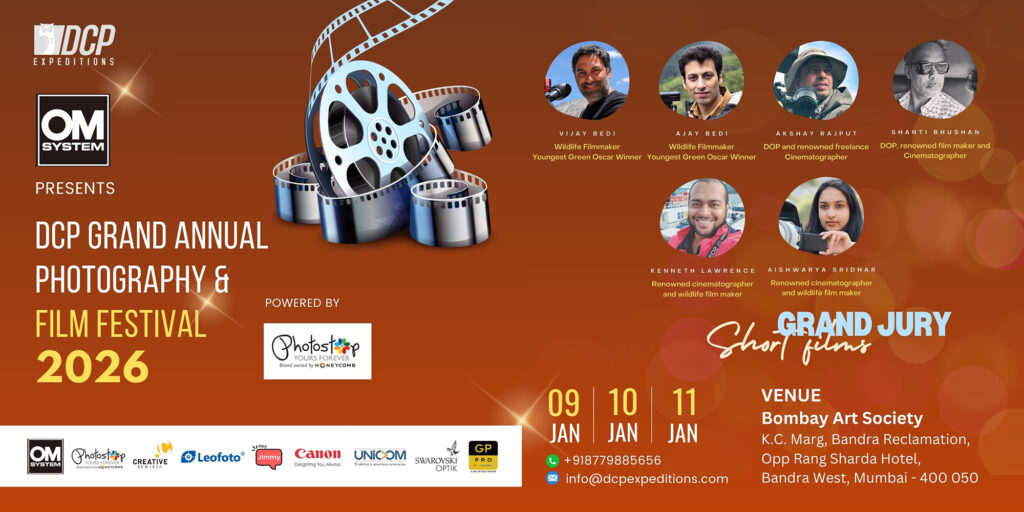
Complementing the visual splendour of still photography, the DCP Annual Film Festival 2026 will once again celebrate the dynamic art of motion storytelling. Short films from a diverse range of creators, from passionate amateurs to established professionals – will be screened across multiple genres. The Film Awards Ceremony, to be held on 11th January 2026, will honour the most creative, thought-provoking, and technically brilliant works, affirming DCP’s commitment to nurturing cinematic storytelling alongside photography.

Workshops, Talks & Creative Dialogues

Beyond the exhibitions and screenings, the festival will host an engaging line-up of workshops, interactive sessions, and talk shows by some of the most respected names in photography and film. These sessions will open windows into new techniques, creative processes, and industry insights, offering participants an opportunity to learn, share, and connect directly with experts and peers. From discussions on wildlife storytelling to editing artistry, from visual ethics to emerging technologies – the festival is designed to ignite curiosity and fuel passion.

The Grand Annual Photography Awards 2026

The DCP Grand Annual Photography Awards 2026 will be one of the most awaited highlights of the festival, honouring creative excellence across ten diverse categories of photography. Each winning image represents the perfect blend of vision, patience, and technical mastery – celebrating photographers who push the boundaries of storytelling through still imagery.

The Award Ceremony, to be held on 11th January 2026 at the Bombay Art Society Auditorium, will recognise the winners and runner-ups whose frames have captured extraordinary moments from the natural world, human culture, and beyond. The celebration is not just about competition — it’s about coming together as a creative community that uplifts, appreciates, and learns from each other’s artistry.

The Grand Annual Film Awards 2026

Equally captivating will be the DCP Grand Annual Film Awards 2026, honouring short films that have redefined visual storytelling. With entries spanning both Wildlife and Non-Wildlife (Fiction and Non-Fiction) categories, the awards will highlight the art of narrative building, cinematic technique, and emotional depth through motion.

The winning films will be screened during a special session at the Bombay Art Society Auditorium on 11th January 2026, from 12:00 PM to 2:00 PM, followed by the formal awards presentation. The moment promises to be charged with applause, inspiration, and celebration — a fitting tribute to filmmakers whose vision continues to inspire the next generation of storytellers.

Launch of the Limited Edition Coffee Table Book 2026

Adding a timeless dimension to the celebration, DCP will unveil the Limited Edition Coffee Table Book 2026, a luxurious collector’s publication featuring all the exhibited photographs. Printed on premium 200 GSM photo-quality paper in a 39 x 29 cm hardbound format, this book is more than just a compilation — it’s a tribute to the artistry and passion that define the DCP community. For participants and collectors alike, it serves as a permanent keepsake of creativity, dedication, and visual excellence.
A Celebration Beyond Boundaries

The DCP Grand Annual Photography & Film Festival is not just an event — it’s a movement that represents a 15-year journey of collective passion, learning, and creative collaboration. Over the years, the festival has become a confluence of photographers, filmmakers, naturalists, editors, and dreamers – all united by their love for storytelling through images and motion.

With thousands of visitors expected to walk through its galleries, extensive media coverage both online and offline, and a growing legacy of inspiration, the 2026 edition promises to be the grandest yet. Whether you are a photography enthusiast, an aspiring filmmaker, or simply someone who loves the power of visuals, this festival is an experience you simply cannot miss.

Join us at the Bombay Art Society, Bandra Reclamation, Mumbai from 9th to 11th January 2026 as we celebrate a decade of artistry, innovation, and imagination and witness India’s most passionate visual storytellers take the stage once again.

Team DCP Expeditions

WhatsApp: +91 87798 85656
Mail: info@dcpexpeditions.com

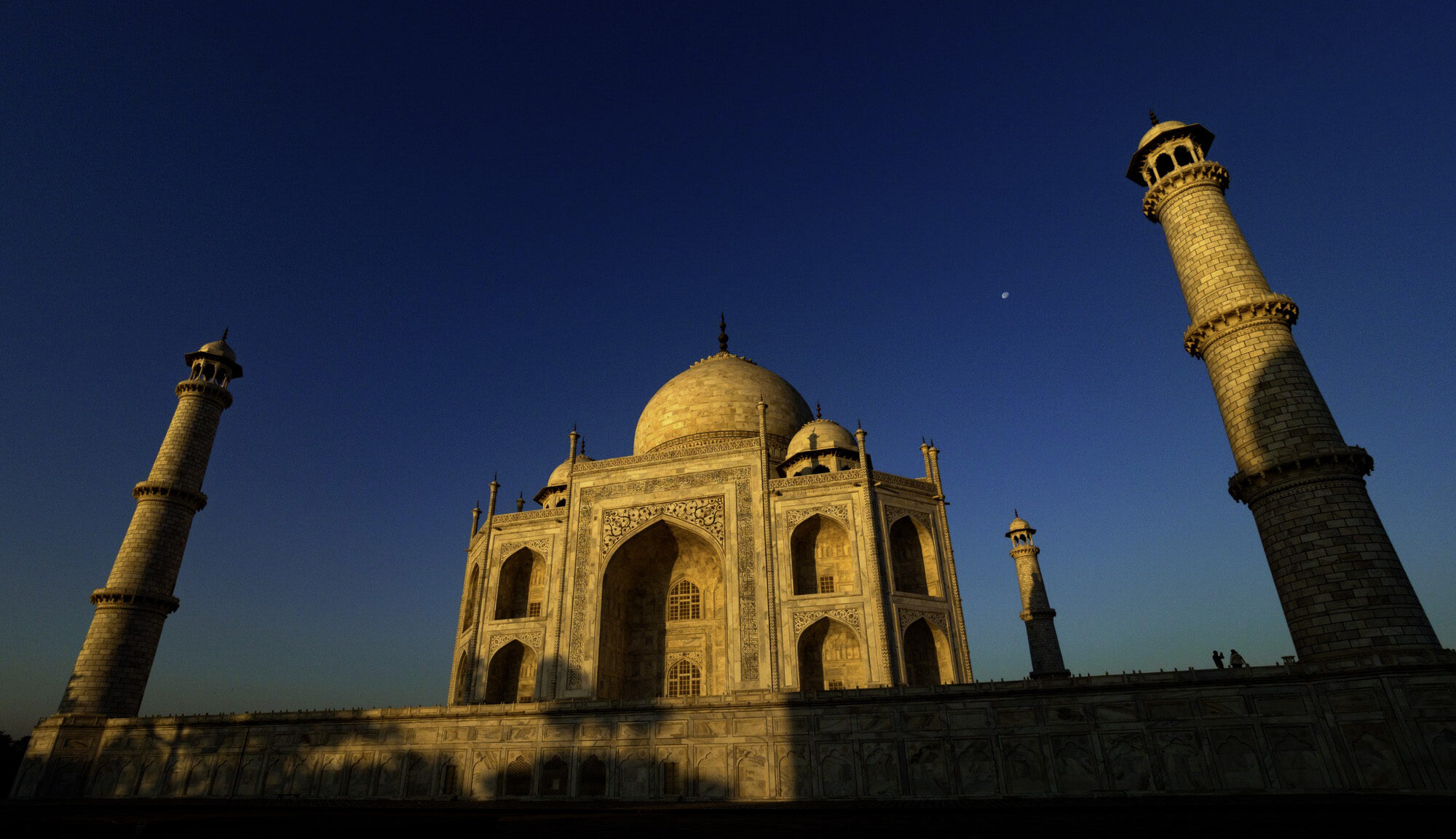
Photo of Taj Mahal taken during DCP's Agra Photo Tour

In a country as diverse and vibrant as India, every sunrise feels like a story waiting to be told. From dense tiger jungles to colorful festivals, misty mountains to ancient ruins, India offers a rich canvas for every photographer. If you are someone who dreams of transforming travel into art, then photography tours in India are the perfect gateway.

These tours are not just about clicking pictures. They are immersive learning journeys designed to sharpen your visual storytelling skills while taking you to the heart of some of the most incredible locations on the subcontinent.

Why Join a Photography Tour in India?

Traveling with your camera is one thing. But traveling with a purpose, guided by an expert photography mentor, changes everything.

Photography tours in India are curated experiences where you:

1. Reach the best spots during golden light hours

2. Get on-ground mentoring from professional photographers

3. Travel in small, focused groups with shared goals

4. Receive hands-on assistance with camera settings, field craft, and composition

5. Dive deeper into both the destination and the art of photography

6. Whether you’re into wildlife, birds, macro, travel, landscape or astrophotography, there’s a tour designed just for you.

Top Genres Covered in Photography Tours Across India

Wildlife Photography

Track tigers in Tadoba, Kanha, or Bandhavgarh. Witness the swampy drama of the Sundarbans. Capture the stealth of a leopard in Jhalana or the grandeur of elephants in Corbett. These tours offer thrilling safaris and the chance to photograph some of India’s most iconic species.

Bird Photography

From flamingos in Bhigwan to hornbills in Goa, and high-altitude warblers in Kashmir to migratory marvels in Bharatpur, India is a birding paradise. Bird photography tours are timed with peak migration, breeding, or nesting seasons.

Macro Photography

Join monsoon macro masterclasses in the Western Ghats: Amboli, Coorg, Goa, Wayanad, or Munnar. Learn to photograph frogs, snakes, geckos and insects in their natural habitats, using diffused lighting and ethical field practices.

Travel and Festival Photography

Document Holi in Barsana, the Hornbill Festival in Nagaland, Pushkar Fair, Dev Deepawali in Varanasi or the Kumbh Mela. These tours blend culture, rituals, candid street moments and storytelling frames that define India’s soul.

Astro and Landscape Photography

Escape city lights and shoot starscapes in Ladakh, Bhandardara or Sahyadri. Learn widefield astrophotography, light painting, steel wool effects, and composition for mountain and lake landscapes.

What You Learn on These Photography Tours

Each expedition is a masterclass on the move. You will learn:

1. How to compose powerful images using light, geometry and storytelling

2. Camera techniques tailored to different genres and lighting conditions

3. Creative use of long exposure, flash, and natural light

4. Ethics of wildlife and cultural photography

5. Field discipline and how to move with awareness in sensitive habitats

6. Basic post-processing, portfolio building and contest strategies

7. How to monetize your images or build a personal brand

Who Should Join?

Photography tours in India are open to:

1. Beginners eager to learn the basics

2. Advanced photographers looking for new challenges

3. Naturalists and birders wanting to add photography to their toolkit

4. Content creators and bloggers seeking unique stories

5. Anyone who wishes to experience India with new eyes

You don’t need high-end gear. Many tours are beginner-friendly and focus more on learning than gear specs. What matters is your passion, curiosity, and respect for nature and people.

Why It’s More Than Just a Tour

Photography tours are immersive, often life-changing. You gain access to moments that casual tourists may miss. You learn patience. You learn to wait for that perfect light or that perfect gesture. And in doing so, you connect more deeply with both your subject and your own creative voice.

These are not vacations. These are journeys of visual discovery.

An artist holding a framed painting in one hand and a smartphone with Instagram open in the other — symbolizing the tension between traditional and digital art platforms.

In today’s hyper-digital world, Instagram is hailed as the “new gallery wall.” A place where brushes meet bytes, lenses meet likes, and the artist’s studio fits right into the palm of your hand. But for many traditional visual artists — the ones who believe in the sanctity of the canvas, the grandeur of scale, the intricacies of framing, Instagram feels less like a stage and more like a squeeze.

So, is Instagram truly the utopia for visual artists it claims to be? Or is it simply shaping, or warping, art to fit a vertical screen and fleeting algorithm?

Let’s debate.

The Boon: Democratizing the Visual Voice

There’s no doubt that Instagram has revolutionized visibility in the art world. What once took years of networking, gallery exhibitions, and critical acclaim can now happen overnight through a single viral post. Artists who once struggled to be discovered are now booking global commissions, selling prints across borders, and building personal brands with little more than a smartphone and a creative vision.

Illustrators, painters, photographers, digital artists, sculptors, all are finding new audiences. Features like Reels, Stories, and Carousels offer novel ways to narrate the creative process, making the audience a part of the journey, not just the final result. Instagram has become a digital portfolio, a storefront, a classroom, and a gallery – all at once.

And perhaps most importantly, it has opened doors for underrepresented voices. Artists from rural, indigenous, LGBTQIA+, and marginalised communities are reclaiming narratives, sharing cultural legacies, and disrupting art hierarchies. That, in itself, is revolutionary.

The Betrayal: When Format Becomes the Filter

Yet, beneath this glittering accessibility lies a deeper concern.

Instagram’s format, especially its preference for vertical frames and quick-consumption visuals, imposes a certain aesthetic. The algorithm favours high contrast, central subjects, and immediate impact. This influences not just how art is consumed, but subtly how it is made. Artists begin to cater to the feed, designing for attention spans rather than contemplation.

A large-format painting painstakingly layered over months is reduced to a 1080px square. The grandeur of an installation collapses into a story highlight. Worse, the slow, meditative experience of appreciating light, texture, or form is replaced by a dopamine-fueled flick of the thumb.

The result? A platform that rewards performance over process. Visibility over depth. Virality over vision.

The Print Isn’t Dead – It’s Enduring

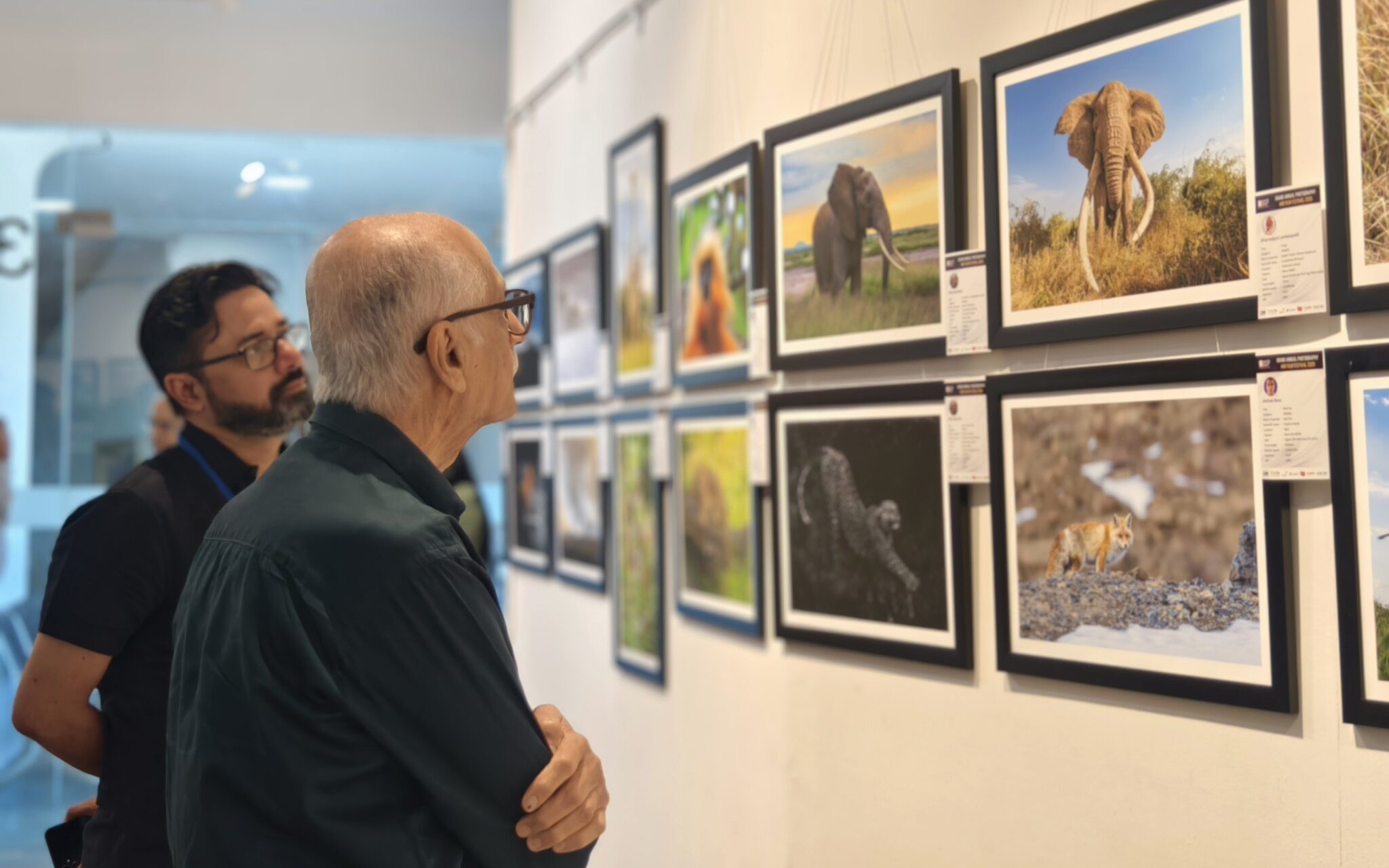
DCP Grand Annual Photography Exhibition 2025

Contrary to the noise, print isn’t dead. It’s just quieter and more enduring.

In fact, print media continues to offer a kind of reverence that digital platforms cannot replicate. Whether it’s the pages of a fine art book, the intimacy of a photo zine, or the grandeur of a gallery exhibit – print allows art to breathe. It gives permanence to fleeting thoughts. Weight to ephemeral pixels. A physical form to a digital idea. More importantly, the print world invites slow looking. It honours the viewer’s attention. It doesn’t distract with ads, comments, or hashtags. It offers space, not just to display art, but to understand it.

For artists, this means the ability to control scale, texture, paper, ink, the very tools that contribute to the emotional impact of the work. These are choices that Instagram’s algorithm can neither sense nor serve.

The Future is Hybrid – And Artists Must Lead the Way

It’s tempting to fall into binaries. But the future of visual storytelling doesn’t lie in choosing between Instagram and print. It lies in understanding how they can coexist, meaningfully and mindfully.

Let Instagram be the amplifier, the teaser, the conversation starter. Let print be the archive, the legacy, the soul. Together, they can create a loop, where discovery begins online and deepens in the tactile world. As artists, the challenge is to resist becoming content machines. To not let the algorithm dictate the brushstroke. To remember that while likes are nice, longevity matters more. Because at the end of the day, a double-tap cannot replace a tear shed before a framed photograph. A screen cannot replace the scent of ink and paper. A story slide cannot replace a story told across pages.

Instagram is a powerful tool, perhaps the most influential stage visual artists have had in recent decades. But it is just a tool, not the destination. The danger lies in letting it shape not just how we show art, but how we think about it. By embracing both the digital and the tangible, by recognising the value of both reach and resonance, we can forge a more holistic, more humane future for the visual arts.

Let the pixels lead to paper. Let the screen point toward the studio. Let Instagram bring the eyes and print hold the heart.

Because while a scroll is fleeting, a print is forever.

Author: Dr Caesar Sengupta

Photography is not just about capturing images, it is about experiencing the world through a different lens. For those who wish to take their passion beyond India, international photography tours offer the chance to explore breathtaking landscapes, encounter unique wildlife, and immerse in diverse cultures.

With DCP Expeditions, every international journey is carefully designed to balance exploration, learning, and the joy of creating memorable frames. Whether it is tracking lions on the African savannah, photographing hornbills in Vietnam, or exploring the deserts of Namibia, each trip combines adventure with structured mentorship.

Here are some of the best international photography tours for 2025–26 that you can join with us.

Africa – Masai Mara, Amboseli, and Lake Nakuru (Kenya)

Africa is on every wildlife photographer’s bucket list. The Masai Mara is globally renowned for its big cats. Watching a lion pride at dawn, a cheetah sprinting after a gazelle, or a leopard resting on an acacia tree is a life-changing experience. For photographers, the golden light and open grasslands provide the perfect canvas for storytelling frames.

At Amboseli, the drama shifts to elephants. Herds of giants walk across dusty plains with the snow-capped peak of Mount Kilimanjaro in the background, making it one of the most iconic wildlife compositions in the world. Amboseli is also rich in birdlife, with crowned cranes and secretary birds frequently spotted.

Lake Nakuru, on the other hand, is a waterbird paradise. Famous for its pink flocks of flamingos, the lake also hosts pelicans, storks, and white rhinos grazing by the shoreline.

On our Africa Wildlife Photography Expedition, participants will learn how to capture predator-prey interactions, master panning for action shots, and work with composition in vast, open spaces.

Vietnam – Bird Photography Expedition

Vietnam has emerged as one of Asia’s hidden gems for bird photography. Its tropical forests, wetlands, and highland habitats host an astonishing diversity of birds, many of which are endemic or hard to spot elsewhere in Asia.

Species highlights include pittas, hornbills, broadbills, barbets, laughingthrushes, and flycatchers. In the Central Highlands, photographers can focus on rare species like the Collared Laughingthrush, while wetlands host storks and kingfishers in abundance.

The mix of forest interiors, misty mountains, and rivers gives photographers the chance to experiment with different light conditions, angles, and storytelling approaches. Vietnam is especially rewarding for those who want to expand their portfolio beyond common Indian species.

The Vietnam Bird Photography Expedition is structured to cover both portrait photography of rare birds and dynamic action frames such as birds in flight and feeding. Mentors provide hands-on guidance in working with low light and fast-moving subjects inside dense forests.

Namibia – Landscape and Wildlife Photography

Namibia is a land of surreal contrasts and one of the most photogenic destinations in the world. The towering red dunes of Sossusvlei, especially during sunrise and sunset, create abstract compositions of light and shadow. The ghost town of Kolmanskop, with sand reclaiming abandoned houses, is a paradise for creative photographers exploring textures and moods.

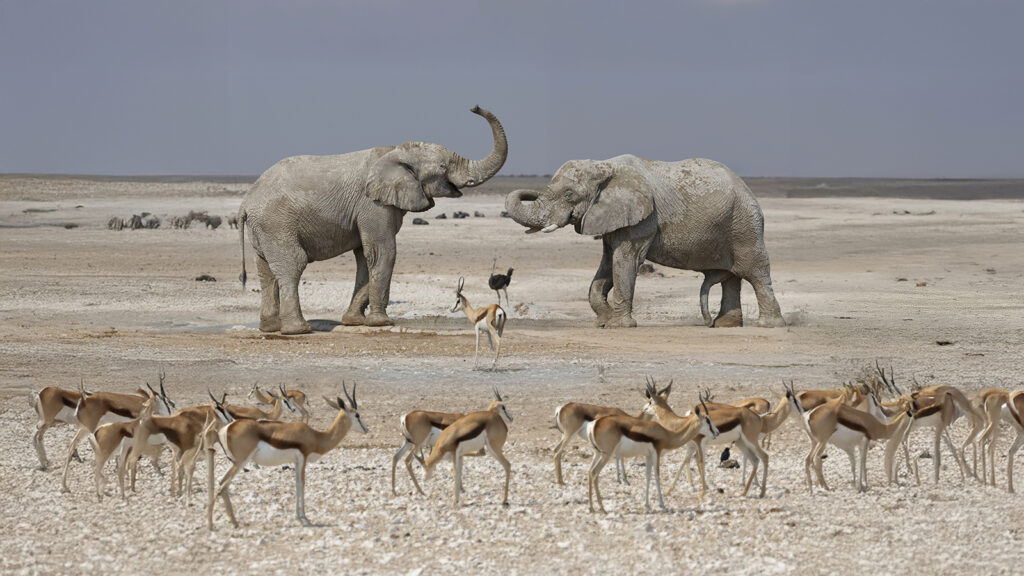
In Etosha National Park, the focus shifts to wildlife. Desert-adapted elephants, lions, giraffes, and herds of springbok gather around waterholes, offering close encounters in stark landscapes. Night safaris reveal black rhinos and elusive nocturnal species.

Namibia is also famous for its night skies, considered among the clearest in the world. Astrophotography sessions under the Milky Way add another dimension to the experience.

On the Namibia Landscape and Wildlife Expedition, you will learn how to balance wide landscapes with intimate wildlife portraits, experiment with long exposures, and work with both natural and artificial lighting in diverse conditions.

Costa Rica – Tropical Bird and Wildlife Photography

Costa Rica is a paradise where every turn of the trail reveals something new. Its rainforests and cloud forests host more than 900 species of birds, along with countless reptiles, amphibians, and mammals.

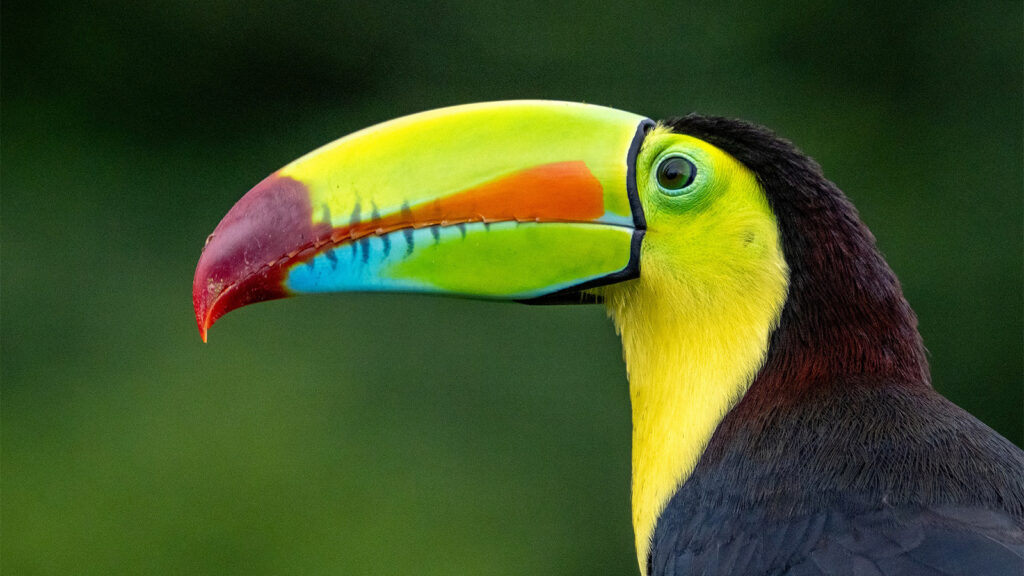
Among the highlights are toucans, macaws, hummingbirds, resplendent quetzals, poison dart frogs, sloths, and monkeys. Specialized setups allow for hummingbird-in-flight photography, while night walks bring encounters with colorful frogs and snakes.

The sheer density of wildlife ensures that photographers return with full memory cards after each day. The vibrant colors, dynamic behaviors, and lush backdrops make Costa Rica one of the best places in the world for tropical photography.

The Costa Rica Wildlife Photography Tour is designed to help participants experiment with high-speed flash techniques, macro close-ups, and bird-in-flight setups while building a vibrant portfolio of rainforest species.

Middle East and Europe – Culture and Landscape Photography

Not all photography tours are about wildlife. The Middle East and Europe provide immense opportunities for cultural, architectural, and landscape photography.

In the Middle East, desert fortresses, souks, and ancient ruins provide a dramatic backdrop. The interplay of light and shadow in narrow alleys, traditional attire, and vast desert dunes makes every scene photogenic. Festivals and local traditions add layers of storytelling to the journey.

In Europe, the focus shifts to castles, cathedrals, cobblestone towns, and picturesque countryside. Photographers can capture both grand landmarks and intimate street moments. From sunrise over the Alps to reflections in Venetian canals, every destination offers timeless frames.

DCP’s curated International Travel Photography Tours help participants capture not only iconic monuments but also the people, traditions, and moods that bring each location to life. Mentors guide you on travel storytelling, candid portraiture, and framing culture through photography.

Why Join an International Photography Tour with DCP?

Global Expertise: Our mentors bring years of international field experience to guide participants in diverse environments.

Diverse Subjects: Wildlife safaris, birding adventures, landscapes, and cultural explorations are all part of the portfolio.

Hands-on Learning: From technical skills to creative storytelling, every session is a mix of field practice and guided feedback.

Seamless Logistics: Our itineraries are carefully curated so you can focus on photography while we handle the details.

Community and Growth: Traveling with like-minded photographers creates an inspiring environment for shared learning.

International photography tours are more than travel. They are journeys of discovery, learning, and creativity. From the predator-rich savannahs of Kenya to the surreal dunes of Namibia, from the vibrant birdlife of Vietnam and Costa Rica to the cultural heritage of Europe and the Middle East, each tour offers a chance to create images that last a lifetime.
Join DCP Expeditions on our upcoming international photography tours and take your passion for photography to the next level. Book your journey today.
Macro photography opens a window into the miniature world of insects, amphibians, reptiles, and plants. India, with its tropical forests, monsoon ecosystems, and rich biodiversity, is one of the most rewarding places in the world to practice this art form. For photographers, the challenge lies in capturing the textures, details, and behavior of subjects that are often overlooked.
If you are planning macro photography tours in India for 2025–26, here are some of the best destinations and field tips to make your images stand out.

Explore the best destinations in India for macro photography in 2025–26. Discover Amboli, Wayanad, Munnar, Arunachal, and Goa with DCP Expeditions.

Amboli (Maharashtra)

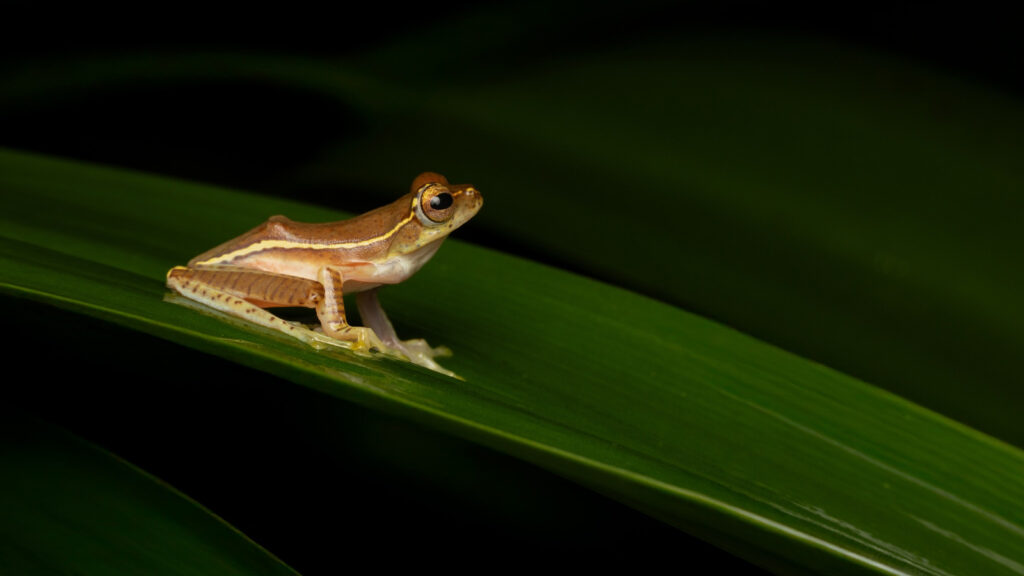
Known as the “Jewel of the Western Ghats,” Amboli comes alive during the monsoon. Frogs, snakes, caecilians, and a vast array of insects emerge in large numbers, making it a paradise for macro enthusiasts.

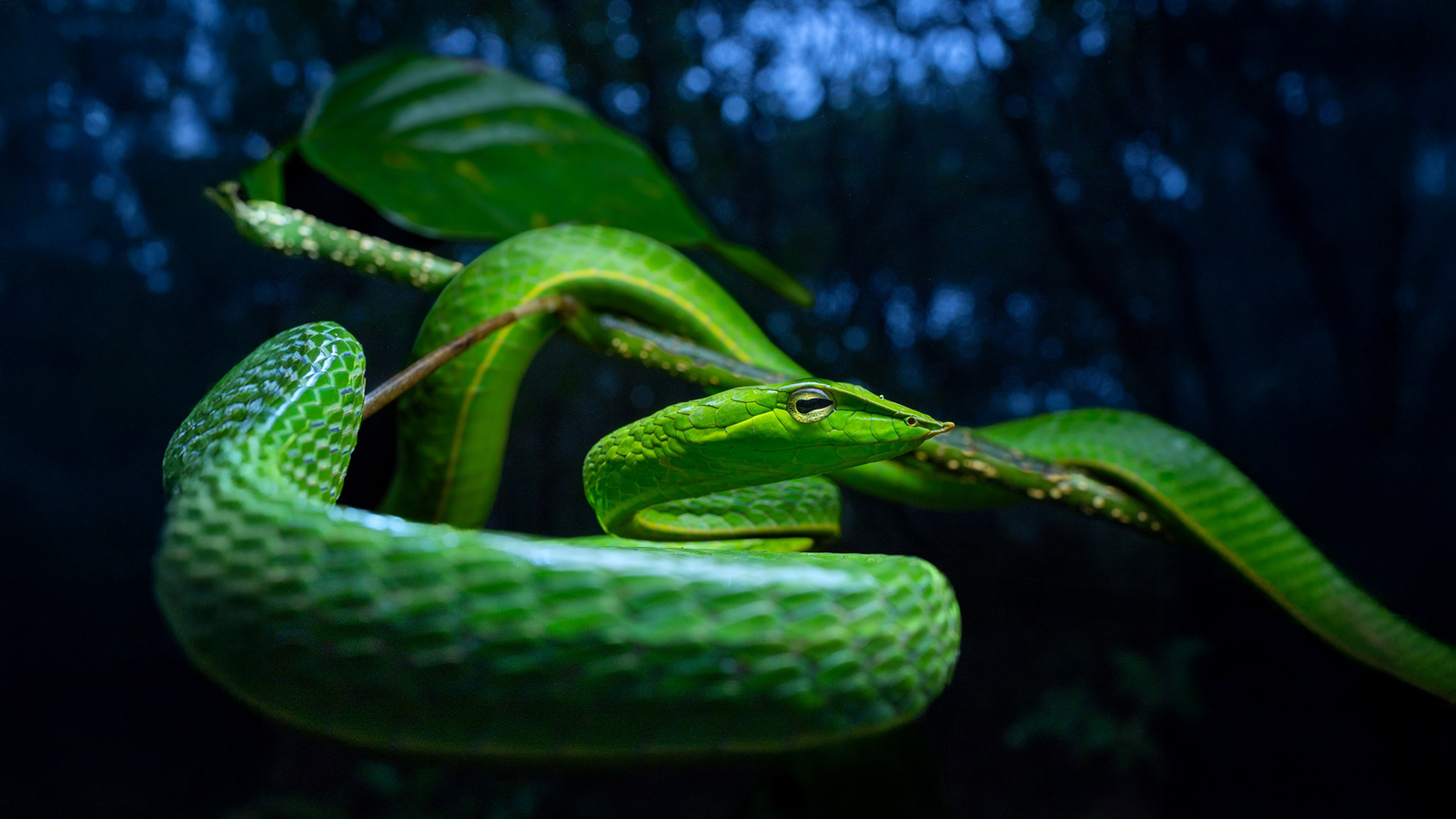
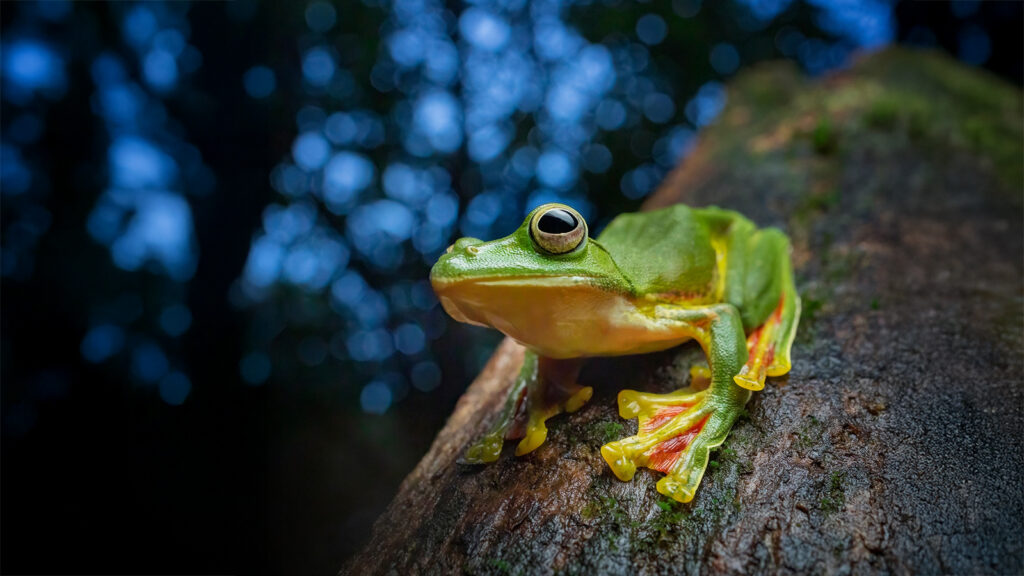
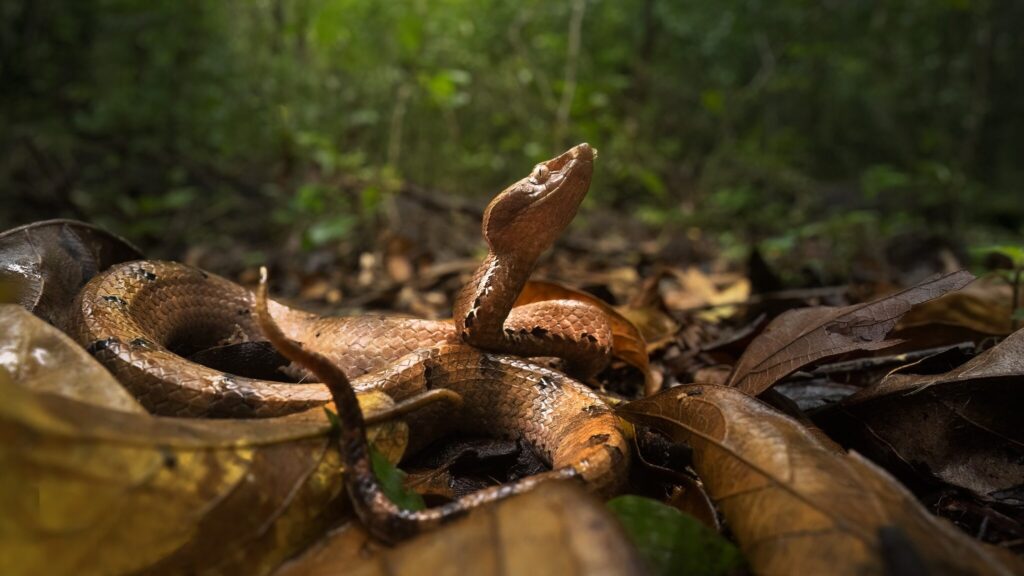
Photographers often focus on subjects like the Malabar gliding frog, shieldtail snakes, vine snakes, and jewel beetles. Night trails in particular provide incredible opportunities to capture behaviors that unfold after dark.

The Amboli Macro Photography Expedition is designed to teach participants how to handle low-light conditions, use diffused flash, and frame compelling close-ups in the field.

Explore the best destinations in India for macro photography in 2025–26. Discover Amboli, Wayanad, Munnar, Arunachal, and Goa with DCP Expeditions.

Wayanad (Kerala)

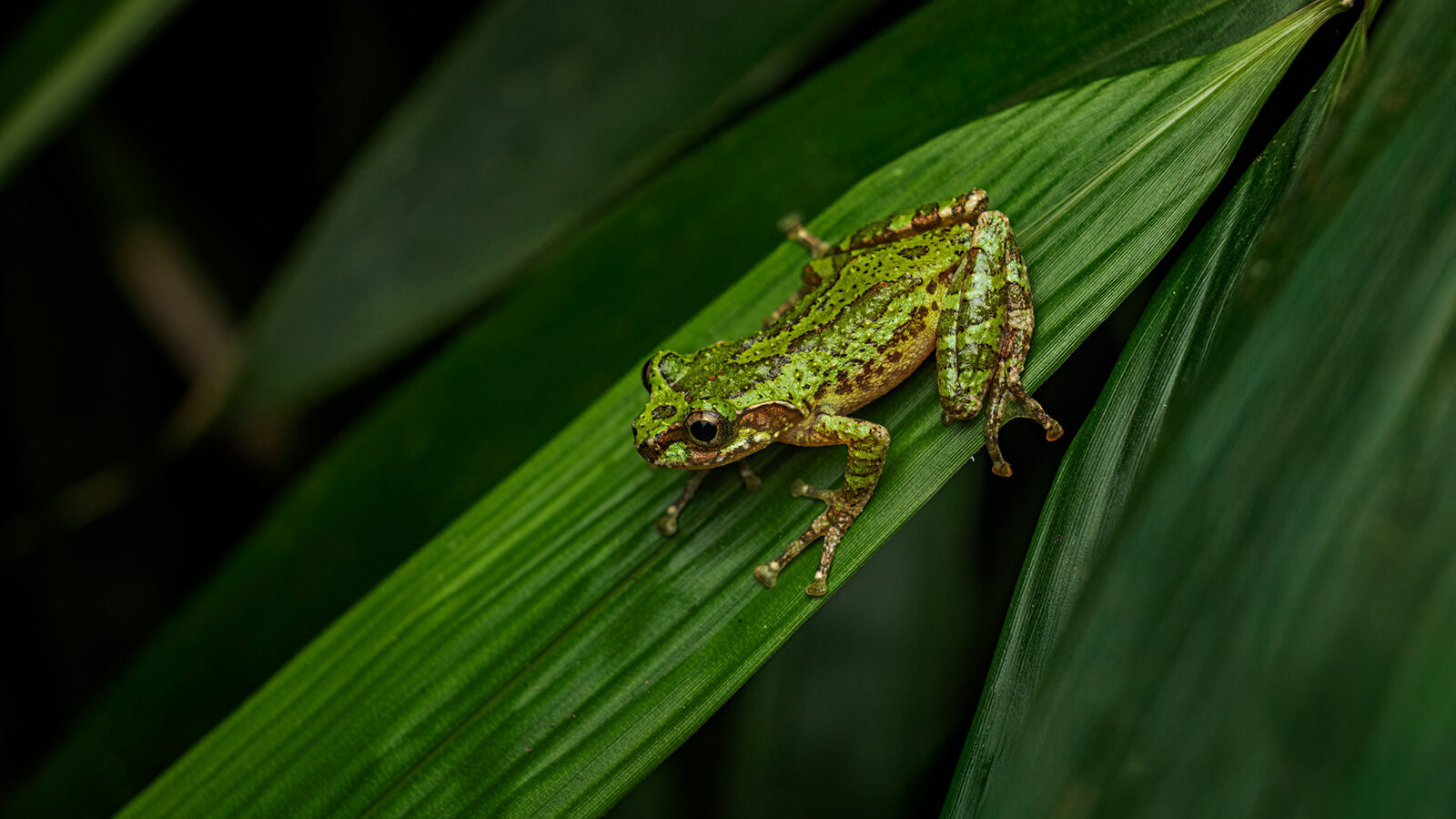
Wayanad’s evergreen forests are home to a dazzling range of amphibians and reptiles, including endemic frogs and geckos. Moist habitats with moss-laden rocks create stunning natural backdrops for macro frames.

Photographers will also find plenty of insects, from stick insects and leaf insects to colorful mantids and butterflies. The variety of both day and night trails makes Wayanad a versatile macro photography destination.

On the Wayanad Macro Photography Expedition, you will learn techniques for capturing both static portraits and dynamic action shots like frogs calling in the rain.

Explore the best destinations in India for macro photography in 2025–26. Discover Amboli, Wayanad, Munnar, Arunachal, and Goa with DCP Expeditions.

Munnar (Kerala)

The high-altitude shola forests and grasslands of Munnar offer a unique macro environment. During the monsoon, the region bursts with life, from tiny orchids to endemic amphibians like the purple frog.

Munnar also offers cooler temperatures and misty light, creating atmospheric frames for macro photography. Species like bush frogs, agamid lizards, and exotic insects make every trail exciting.

Our Munnar Macro Photography Expedition focuses on balancing ambient light with flash and experimenting with creative wide-angle macro compositions.

Explore the best destinations in India for macro photography in 2025–26. Discover Amboli, Wayanad, Munnar, Arunachal, and Goa with DCP Expeditions.

Arunachal Pradesh (Northeast India)

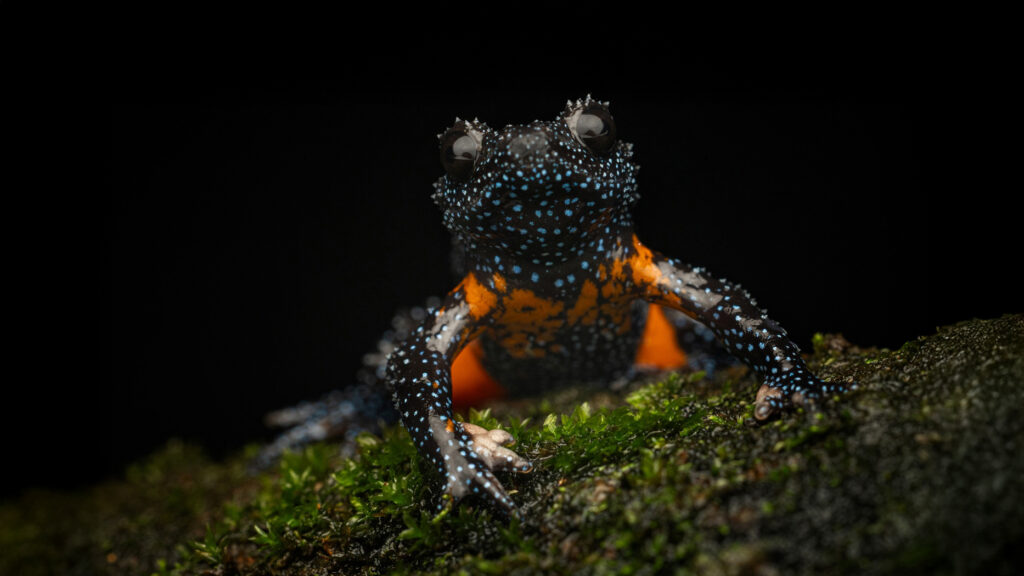
Arunachal is one of the most biodiverse regions of India. Its tropical rainforests are home to horned frogs, exotic lizards, colorful insects, and rare orchids. The sheer variety of species makes it a dream destination for advanced macro photographers.

The challenge here lies in working in dense, humid forests where subjects blend seamlessly into their environment. Photographing them requires patience, keen observation, and precise lighting techniques.

The Arunachal Macro Photography Expeditionhe ultimate adventure for those looking to expand their portfolio with rare and endemic species.

Explore the best destinations in India for macro photography in 2025–26. Discover Amboli, Wayanad, Munnar, Arunachal, and Goa with DCP Expeditions.

Goa – Western Ghats Biodiversity Hotspot

Goa is not only about beaches; its forests and wetlands are rich with macro life. During the monsoon, forests come alive with frogs, crabs, butterflies, and dragonflies. Coastal ecosystems also provide opportunities to photograph species adapted to unique niches.

Boat rides into mangrove habitats and night explorations in the forests make Goa a well-rounded macro destination.

The Goa Macro Photography Tour introduces participants to a wide variety of subjects while teaching creative approaches to storytelling through macro imagery.

Tips for Successful Macro Photography in India

Work with Diffused Light: Many subjects are nocturnal or found in dim forests. Diffusers help soften light and retain natural colors.

Mind the Background: Position yourself to create clean, distraction-free frames.

Focus on Behavior: Instead of only portraits, look for action — frogs calling, insects feeding, reptiles displaying.

Respect Wildlife: Always prioritize the well-being of subjects. No handling or disturbing animals for a shot.

Experiment Creatively: Try wide-angle macro to show both the subject and its environment for storytelling impact.

Why Macro Photography in India is Special

The Western Ghats and Northeast are global biodiversity hotspots.

The monsoon creates a dramatic seasonal burst of life.

Many species are endemic, found nowhere else on Earth.

Each expedition is a mix of science, adventure, and artistry.

Macro photography in India is not just about images, it is about discovering an entire world that exists right under our feet. From frogs calling in the rain to jewel beetles glistening under a flashlight, every frame reveals something extraordinary.

Join DCP Expeditions on upcoming macro photography tours and step into this hidden universe of wonders. Book your spot today.