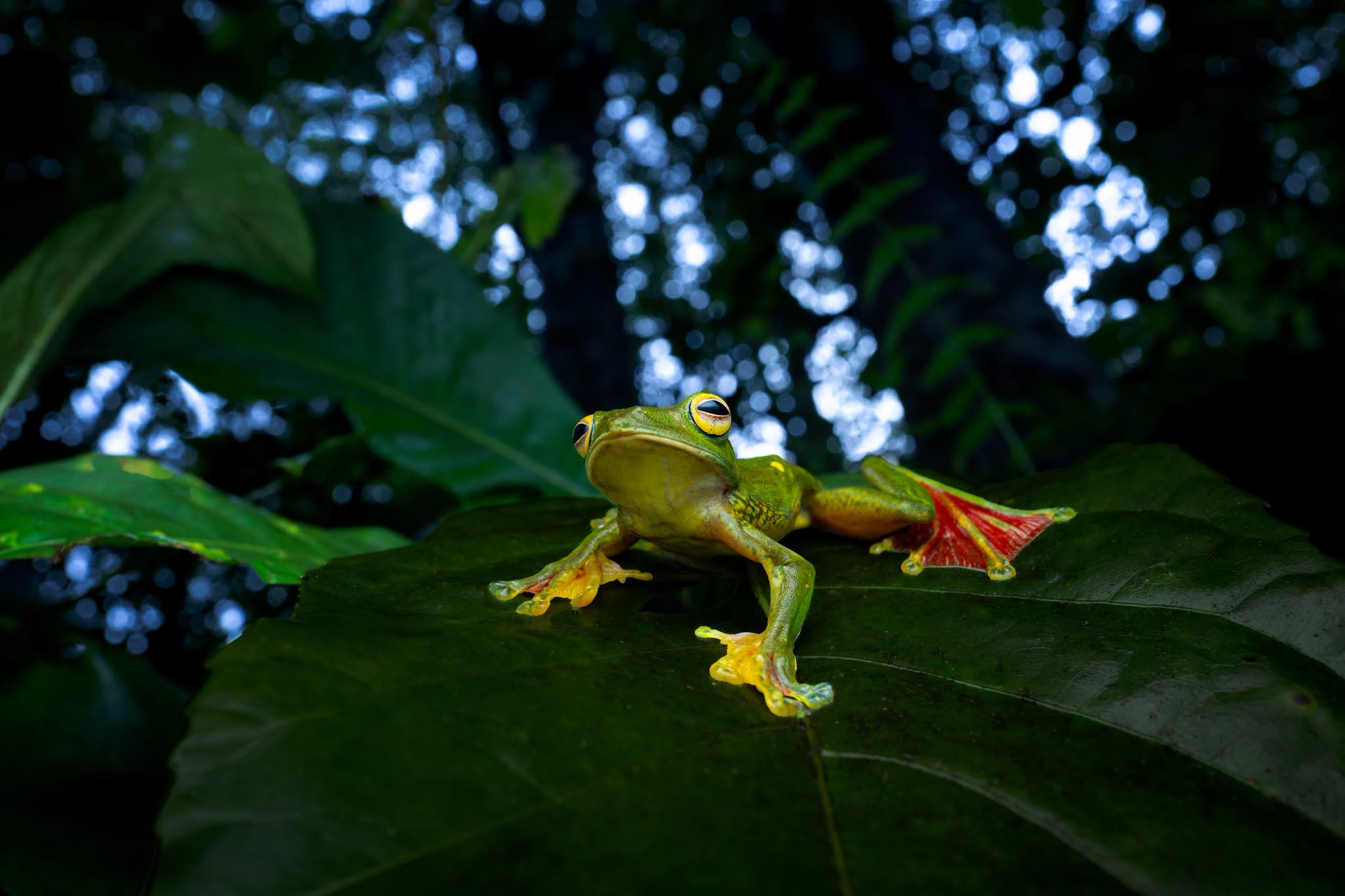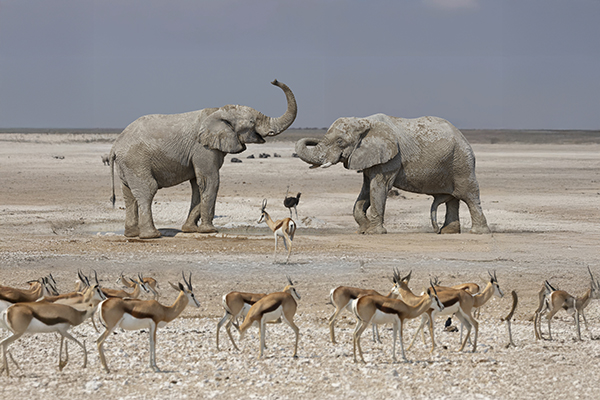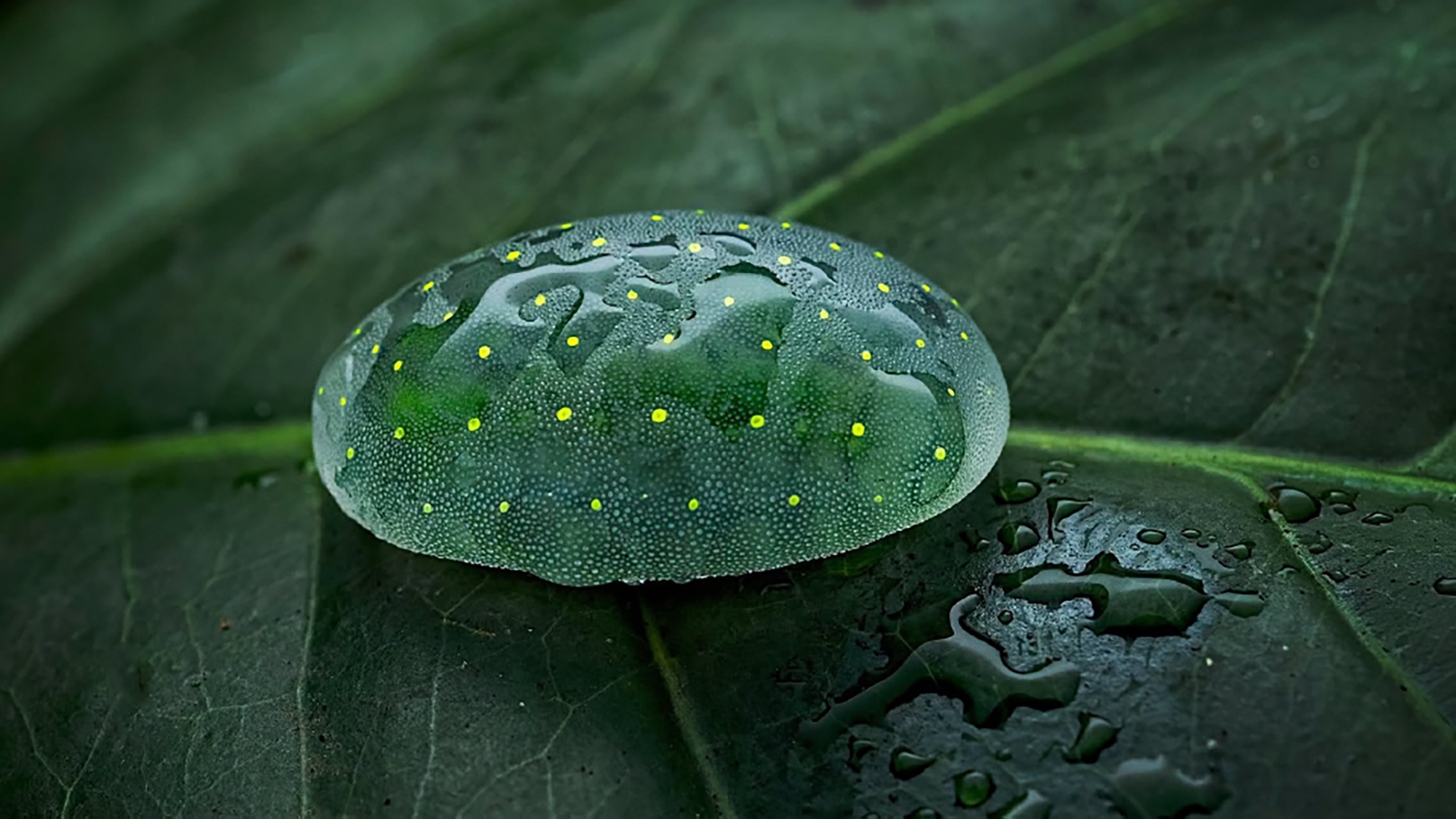
Life on Earth has existed for nearly four billion years, unfolding one of the most extraordinary stories in the history of our planet. From the earliest microscopic organisms inhabiting ancient oceans to the astonishing diversity of plants, animals and fungi we see today, evolution has continuously shaped, transformed and reinvented life. Entire ecosystems have emerged, flourished and disappeared. Ancient oceans once supported creatures unlike anything alive today, prehistoric forests sheltered organisms that have long since vanished, and countless species evolved remarkable adaptations to survive in environments that no longer exist. Continents drifted, climates changed, mountains rose, oceans expanded and contracted, and life responded through an endless cycle of adaptation, diversification and extinction.
But have we ever wondered how many different species have actually inhabited Earth since life first appeared? The answer is almost impossible to comprehend. Some broad estimates suggest that approximately 5 billion species may have existed throughout Earth’s evolutionary history, although this remains a highly uncertain figure rather than an established scientific count. One rough historical model suggests that around 770 million animal species alone may have existed over evolutionary time. Imagine the extraordinary diversity these numbers represent: millions upon millions of organisms, each with its own evolutionary journey, ecological relationships, survival strategies and place in the natural world. Some persisted for millions of years, while others disappeared as environments changed and new species evolved. Yet, despite centuries of scientific exploration and remarkable advances in our understanding of evolution, our knowledge of this immense biological history remains astonishingly incomplete. What we know today represents only scattered fragments of a story written across billions of years, while the overwhelming majority of its characters have disappeared without leaving behind any recognisable trace of their existence.

The Fossil Record: A Library With Most of Its Pages Missing
Fossils provide remarkable glimpses into prehistoric life, but fossilisation is an exceptionally rare process. Most organisms die and decompose without leaving any permanent evidence. Geological changes further destroy or conceal traces of ancient ecosystems.
A historical estimate suggests that approximately 250,000 extinct fossil species had been formally described, an extraordinarily small number compared with the immense diversity of life that may once have existed. Countless species may therefore have lived, reproduced, evolved and disappeared without leaving behind any identifiable fossil. They existed, but we may never know what they looked like, how they behaved or even that they were ever here.
The biodiversity surrounding us today is not the complete story of life on Earth. It is merely the surviving chapter. 99.9% of All Species Are Already Extinct. One of the most astonishing estimates in evolutionary biology suggests that approximately 99.9% of all species that have ever existed are now extinct.. Only around 0.1% may remain alive today. These are broad approximations rather than precise measurements, but they illustrate the extraordinary scale of extinction throughout Earth’s history. The forests, oceans, grasslands and wetlands we explore today contain only the surviving branches of an immense evolutionary tree. Every tiger, frog, butterfly, spider and bird we photograph belongs to a lineage that has survived through millions of years of evolutionary change.

The Surviving World: An Estimated 8.7 Million Species
The biodiversity surrounding us today is not the complete story of life on Earth. It is merely the surviving chapter. How much do we actually know about the life that survives today? In 2011, a landmark study published in PLOS Biology estimated that approximately 8.7 million eukaryotic species inhabit Earth, including animals, plants, fungi and numerous other organisms. Of these, approximately 6.5 million species were estimated to occur on land and 2.2 million in the oceans. This estimate was developed independently of the historical 99.9% extinction figure and does not comprehensively include bacteria and archaea. Yet the most remarkable finding was not the estimated number of living species. It was how few we had actually documented.
We have explored distant planets, yet much of the life on our own planet remains unknown. We Have Described Only a Fraction of Earth’s Biodiversity. According to the 2011 study, approximately 1.2 million species had been catalogued, representing only around 14% of the estimated 8.7 million species. That means approximately 86% remained undescribed in the study’s model. The knowledge gap was even more striking in the oceans, where approximately 91% of marine species were estimated to remain undescribed. These percentages reflect the 2011 research rather than a current census, but they reveal how incomplete our understanding of Earth’s biodiversity remains. Despite centuries of exploration, scientific research and biological documentation, millions of organisms may still be waiting to be discovered. Somewhere beneath a fallen leaf, inside a mountain stream, deep within a rainforest or beneath the ocean surface may exist species that science has never formally named.
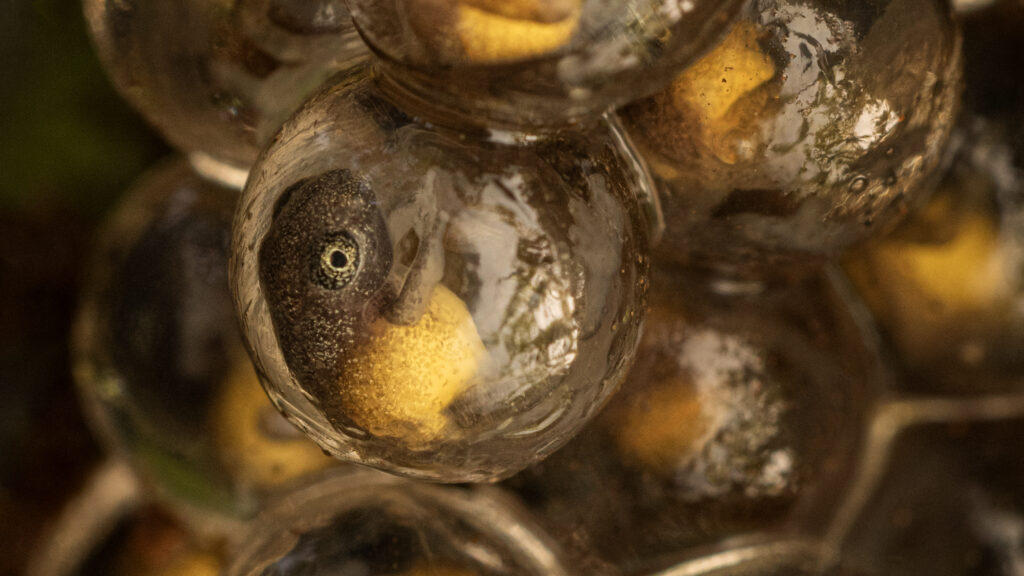
The Extinction of the Unknown
And here lies the great biodiversity paradox. While scientists continue discovering and describing new species, others may be disappearing before we even become aware of their existence. This phenomenon, sometimes referred to as dark extinction, represents one of the least visible and most concerning dimensions of global biodiversity loss. At a time when scientific exploration and technology are advancing rapidly, we may be losing organisms whose existence, ecological importance and evolutionary history remain completely unknown to us.
Imagine a tiny frog restricted to a handful of mountain streams, an insect inhabiting a small patch of tropical rainforest or a rare fungus thriving in a specialised forest habitat. Each may represent a unique evolutionary lineage shaped over millions of years. Yet, if its habitat is destroyed before scientists have formally identified and described it, an entire species could vanish without ever receiving a scientific name. There may be no population estimates, no conservation assessments, no documented behavioural observations and perhaps not even a photograph to establish that it once existed. Unlike the extinction of familiar animals such as tigers, elephants or rhinoceroses, these losses may pass almost unnoticed, leaving behind little evidence of what the natural world has lost.
What makes this particularly troubling is that every species plays a role within its ecosystem, often through intricate relationships that science has yet to fully understand. Its disappearance may mean the permanent loss of unique genetic information, evolutionary adaptations and ecological interactions. Millions of species vanished in the distant past without leaving identifiable fossils. Today, despite our extraordinary scientific progress, some living species may disappear before we even discover them.
Why Nature Photography and Biodiversity Documentation Matter
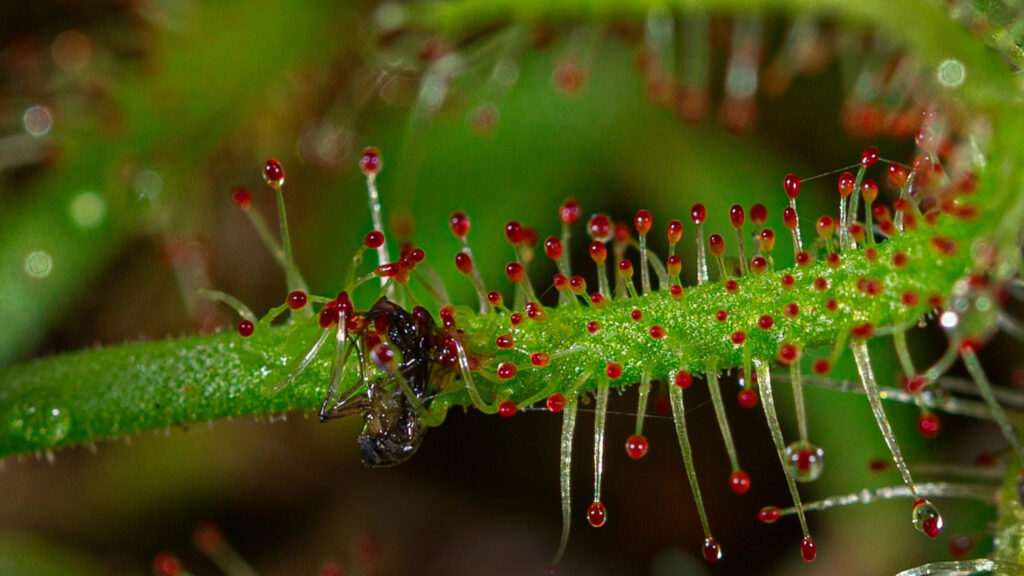
This is where natural-history observation and documentation become increasingly important. Scientific research, taxonomy, biodiversity surveys and conservation programmes remain essential for understanding and protecting Earth’s living diversity. Wildlife photography can contribute meaningfully to these efforts. A carefully documented photograph can record a species, its habitat, behaviour, reproductive activity and interactions with other organisms. When accompanied by accurate observations, such images can become valuable natural-history records.
Macro photography is particularly relevant because it encourages us to explore the miniature world that often escapes our attention. A tiny frog beneath a leaf, a spider hidden in vegetation, an insect camouflaged against bark or a fungus emerging after rainfall may reveal an extraordinary story of adaptation and survival. Photography becomes more meaningful when we move beyond simply collecting images and begin asking questions about the organisms we encounter…. What are they doing? Why do they occupy particular habitats? How do they interact with their surroundings? Every observation can deepen our understanding of the natural world. And on a planet where so much biodiversity remains undocumented, learning to observe carefully becomes especially valuable.
A World Still Waiting to Be Discovered
The history of life is a story of extraordinary diversity and overwhelming loss. Billions of species may have existed throughout Earth’s evolutionary history. Almost all are gone. Of the millions estimated to survive today, a substantial proportion remains unknown to science. And some may disappear before we ever learn that they existed. Perhaps the next time we enter a forest with a camera, we should remember that we are exploring a world whose biological catalogue remains unfinished. Every organism, however small or seemingly insignificant, represents an evolutionary story worth understanding.
The greatest unexplored wilderness remaining on Earth may not be a distant mountain, an inaccessible rainforest or the depths of an ocean. It may be the enormous part of life that we have not yet learned to see.
Scientific References
Mora, C. et al. (2011). How Many Species Are There on Earth and in the Ocean? PLOS Biology.
https://doi.org/10.1371/journal.pbio.1001127
Wiens, J. J. (2023). How Many Species Are There on Earth? Progress and Problems. PLOS Biology.
https://doi.org/10.1371/journal.pbio.3002388
May, R. M. (2011). Why Worry About How Many Species and Their Loss? PLOS Biology.
https://doi.org/10.1371/journal.pbio.1001130
Note: The historical estimates of 5 billion species, 770 million animal species and 250,000 described extinct fossil species are approximate or historical figures and should not be treated as verified contemporary counts.
Text, graphics and images by Dr Caesar Sengupta